Opening hours of 8 – 11pm on Wednesdays and midday – 2pm on Sundays.
rnrn
rnrn
rnrn
rnrn
rn
Opening hours of 8 – 11pm on Wednesdays and midday – 2pm on Sundays.
rnrn
rnrn
rnrn
rnrn
rn
Fresh water and portable toilet (Elsan) disposal are available from the service mooring just above St Pancras lock on the other side from the tow path. The disposal point is on the corner of the long white building, behind the fuel tank, and the water tap is close by. There is no charge to use either service.
rnrn
Please do not dispose of wet wipes, moist toilet tissues or similar items in the portable toilet disposal point.
rnrn
There are bins for recycling and boaters’ domestic waste in the car park adjacent to the lock. There are no facilities for disposal of fit out waste, waste oil, contaminated bilge water, batteries, gas cylinders or other large items. Please do not leave any of these in the car park.
rnrn
St Pancras Dry Dock is run as a separate business and St Pancras Cruising Club is not responsible for the work carried out in the dry dock. For dry dock services please contact the Dry Dock operator using the contact page, selecting the category “Dry dock”.
rnrn
Diesel fuel and Pump-Out services will be available at the Club between 10:30am and 3:30pm on the following days in 2025
rnrn
rnrn

rnrn
rnrn
Saturday 4th April 2026
rnrn
Saturday 9th May 2026
rnrn
Saturday 13th June 2026
rnrn
Saturday 4th July 2026
rnrn
Saturday 1st August 2026
rnrn
Saturday 5th September 2026
rnrn
Saturday 3rd October 2026
rnrn
Saturday 14th November 2026
rnrn
Saturday 5th December 2026
rnrn
rnrn
Only card payments are accepted.
rnrn
Cost of pumpouts is £30
rnrn
Appointments are not required and will not be taken.
rnrn
There are other pump-outs in London including Paddington Arm: Little Venice Visitor Mooring and Atlip Road, Alperton (offside service mooring at Bridge 11A Railway) Regent’s Canal: Talavera Moorings, offside above Acton’s Lock (Lock 7) and Limehouse Basin Lee Navigation: East Wick Service Mooring (below Bridge 14A Newham Way) and Stonebridge Lock (Lock 16)
rn
The following is the archive of the club newsletters and the magazine ‘Panchat’ published between 1983 and 2015.
rnrn
SPCC Newsletter 5th January 1982
rnrn
SPCC Newsletter 25th June 1983
rnrn
Panchat Volume 1 No. 1 Winter 1986 (Probably should read 1985)
rnrn
Panchat Volume 1 No. 2 Spring 1986
rnrn
Panchat Volume 1 No. 3 Summer 1986
rnrn
Panchat Volume 1 No. 4 Winter 1987
rnrn
rnrn
rnrn
rnrn
rnrn
rnrn
rnrn
rnrn
Panchat April May 1991 PAGES MISSING
rnrn
rnrn
rnrn
rnrn
rnrn
rnrn
Lea And Stort Cruise Brochure April 1994
rnrn
rnrn
rnrn
Panchat Special London Cruising Edition 1994
rnrn
rnrn
rnrn
rnrn
rnrn
rnrn
rnrn
Easter Cruise Brochure April 1996
rnrn
rnrn
Treasure Island Rally Brochure 22nd 23rd June 1996
rnrn
rnrn
rnrn
rnrn
rnrn
rnrn
rnrn
rnrn
rnrn
rnrn
rnrn
rnrn
rnrn
rnrn
rnrn
rnrn
rnrn
rnrn
rnrn
rnrn
rnrn
rnrn
rnrn
rnrn
rnrn
rnrn
rnrn
Panchat Year Book September 2005
rnrn
rnrn
rnrn
rnrn
rnrn
rnrn
rn
About The Club
rnrn
St Pancras Cruising Club is a members’ club based in Camden that exists to promote pleasure cruising on UK inland waterways and to provide facilities for its members and others. Many club members own boats but the Club also welcomes anyone who is interested in boating and inland waterways.
rnrn
Our members are active in promoting the interests of boaters through national and local waterways organisations such as the Canal & River Trust (CRT), the Inland Waterways Association (IWA), the Association of Waterways Cruising Clubs (AWCC) and others.
rnrn
The Club is based at St Pancras Yacht Basin, which is located beside the Regent’s Canal and close to St Pancras International and Kings Cross Stations. The gardens, waterpoint and basin are maintained by members working on a voluntary basis, as are the facilities for passing boaters – pump out, fuel supply and portable toilet disposal. Monthly work parties are the focus for undertaking all of this work and also form a focus for social exchange when we sit to eat lunch together.
rnrn
The Club provides non-residential moorings for around 60 boats in the basin.
rnrn
For more information on joining the Club click the ““How to join” tab above.
rnrn
Cruising The Club is well known for its promotion of safe boating on the Thames tideway. As well as publishing a guide to the Tideway, Club cruises are regularly joined by other boaters, including experienced and inexperienced tideway cruisers. Comprehensive safety briefings precede each cruise, usually combined with a social evening. The Club also organises canal cruises, and non-tidal Thames cruises as a regular part of its cruising programme and welcomes members and non-members alike. For more information on the Club’s cruising programme please click the Cruising programme tab above. All boaters are welcome to join club cruises and events and there is no charge for participation.
rnrn
Temporary Moorings are sometimes available. If you would like to enquire about a temporary mooring please contact the Harbour Master using the contact page, selecting the category “Mooring enquiries”., stating your boat’s length and the dates that you require. The Club cannot accommodate wide beam boats. Permanent moorings are only available to Club members.
rnrn
The St Pancras Waterpoint is managed and maintained by the Club. Since taking over the management of the building, the Club has organised a number of public and specialist events including talks, art exhibitions and open days: 1000s of visitors have thus been able to enjoy this unique building and the stunning views from the viewing platform. For a list of open days please click of the St Pancras Waterpoint tab above. The Waterpoint is not available for hire.
rn
To view an entry please click on the thumbnail, which will open the photograph in a new window.
rnAll photographs are the copyright of their respective owners. Please do not download or copy any photograph without the owner’s permission.
rnrn
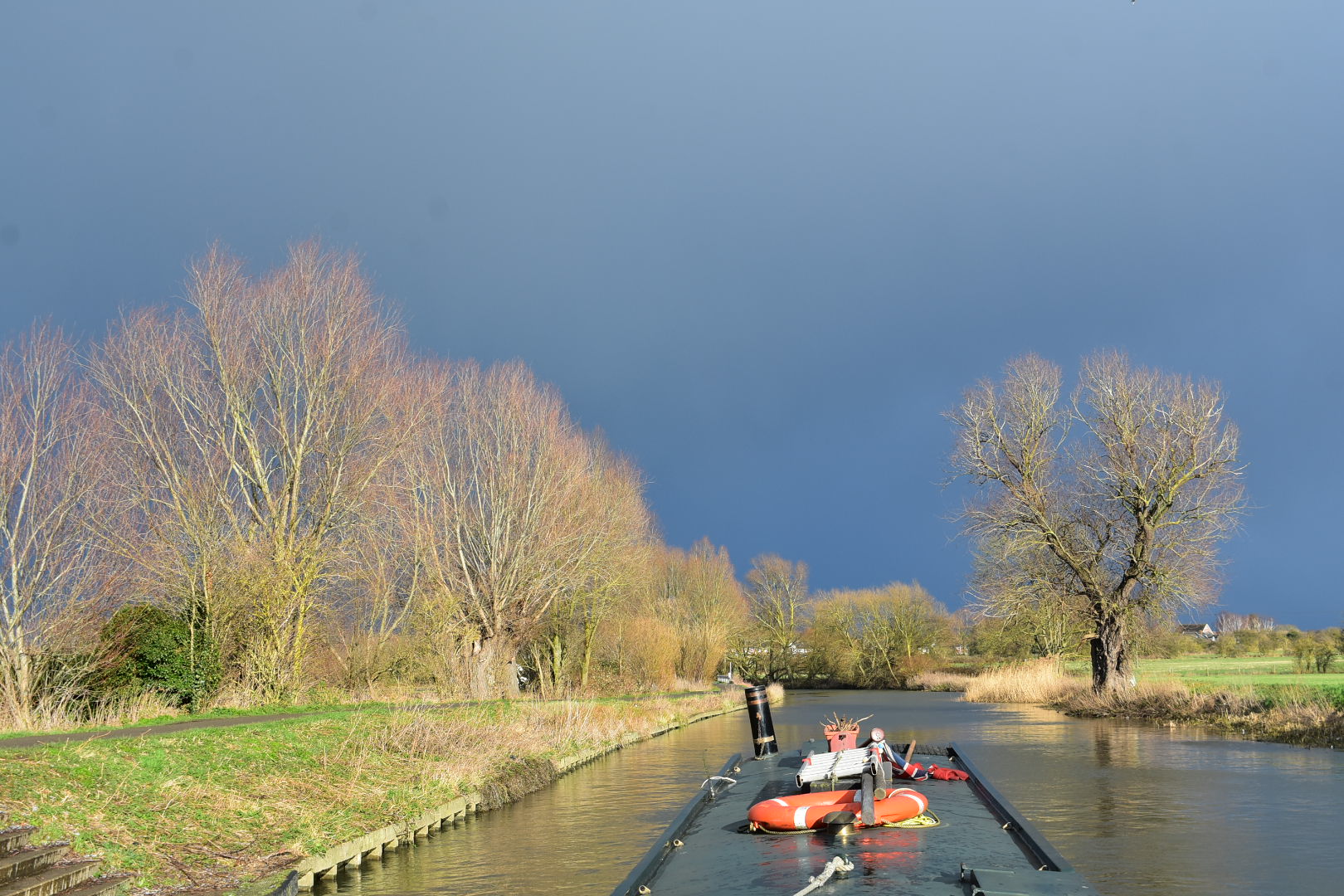
rnEntry 1 – Autumn on the River Cam, near Waterbeach
rnrn
rnrn
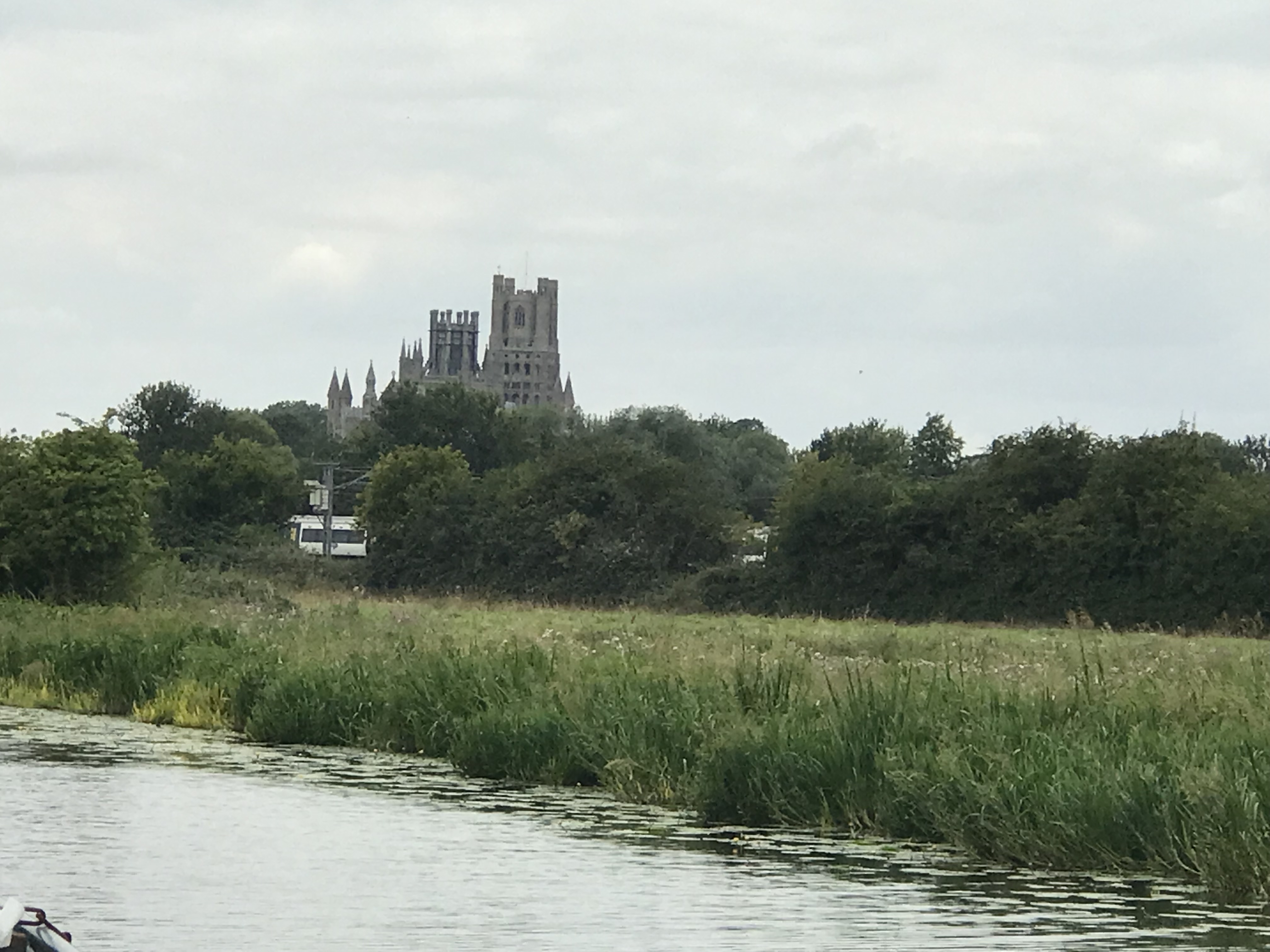
Entry 2 – Back in the Fens
rnrn
rnrn
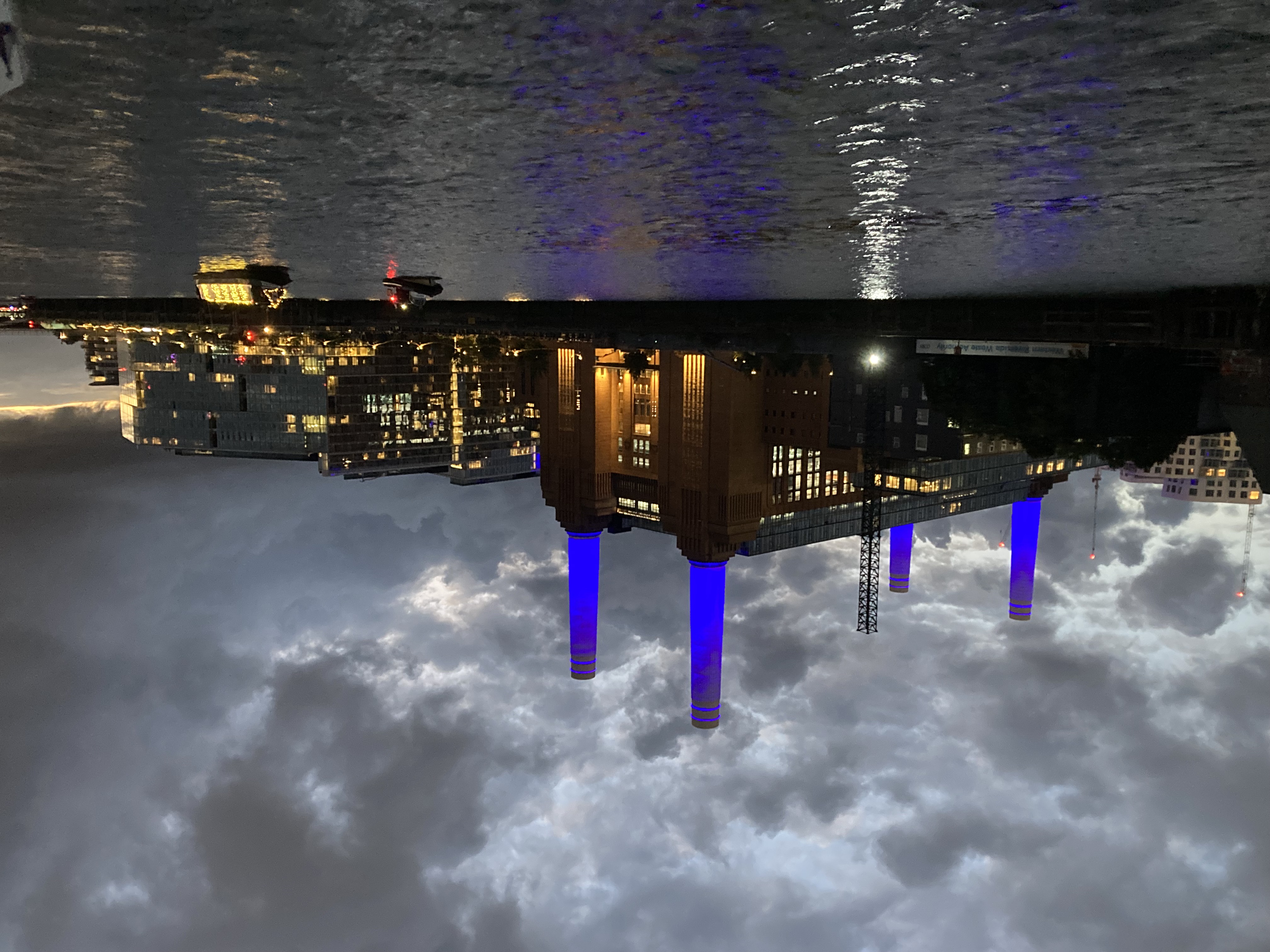
Entry 3 – Battersea Power Station
rnrn
rnrn
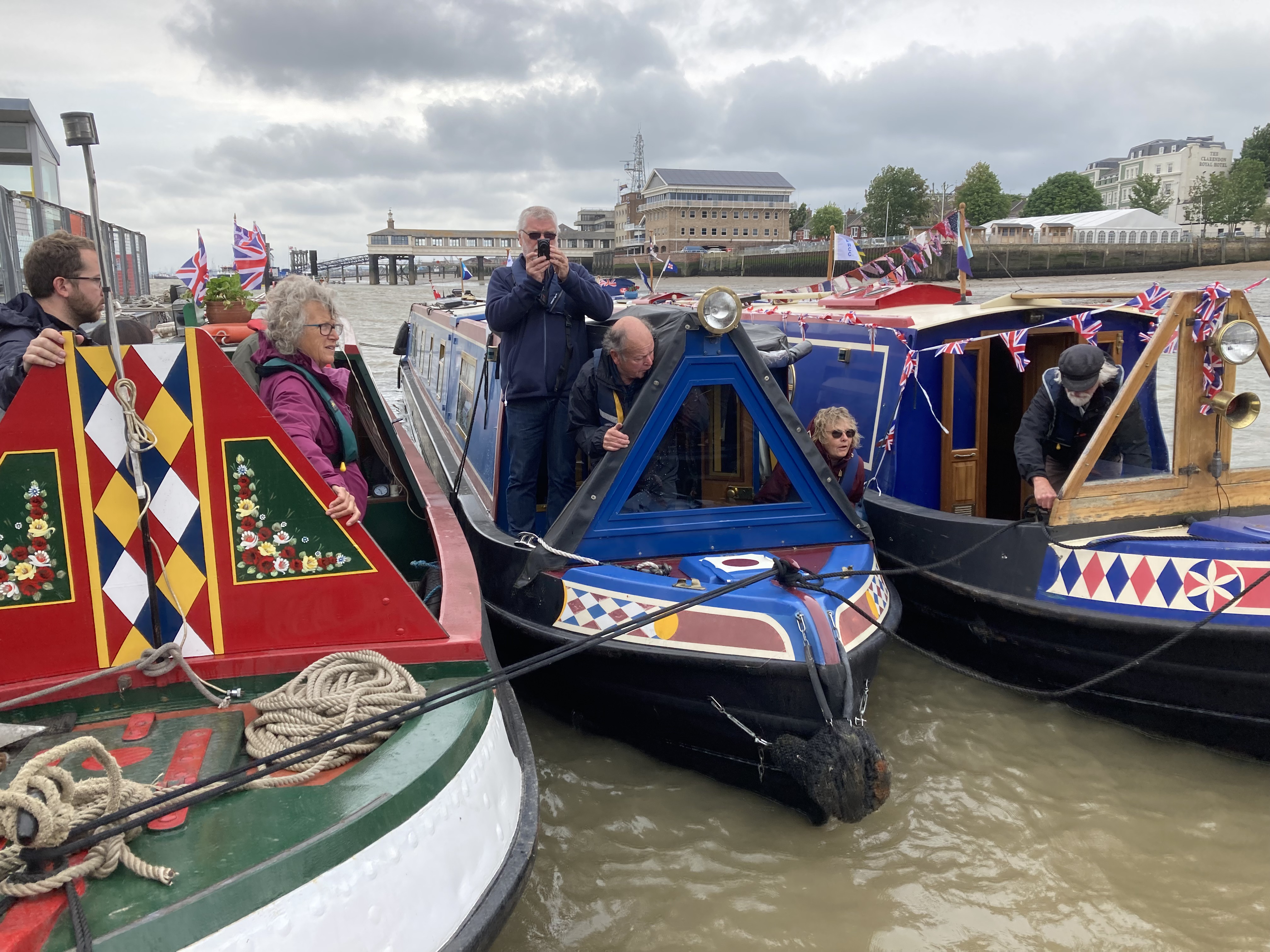
Entry 4 – Double Breasted
rnrn
rnrn
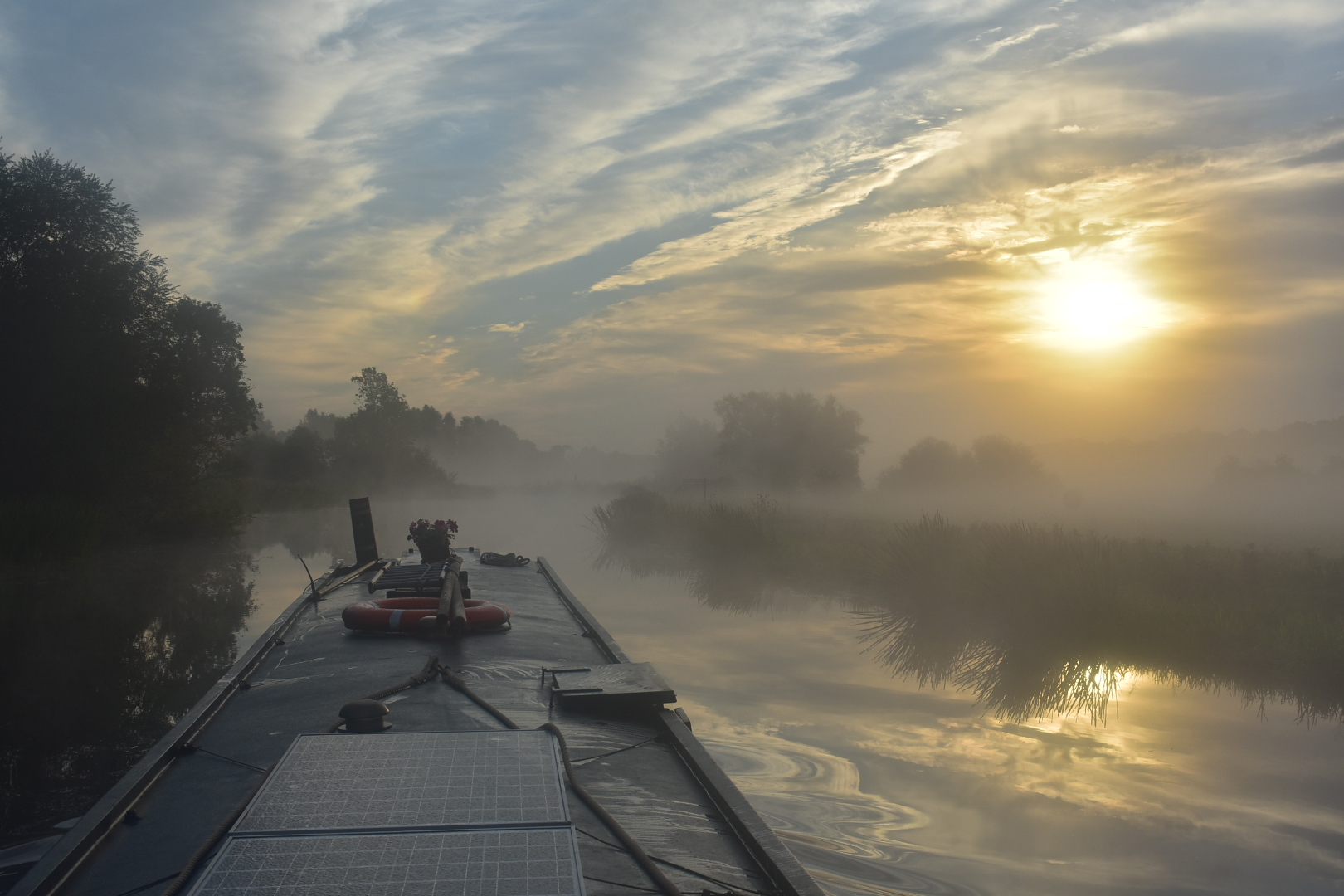
Entry 5 – Early morning at Woodford, River Nene
rnrn
rnrn
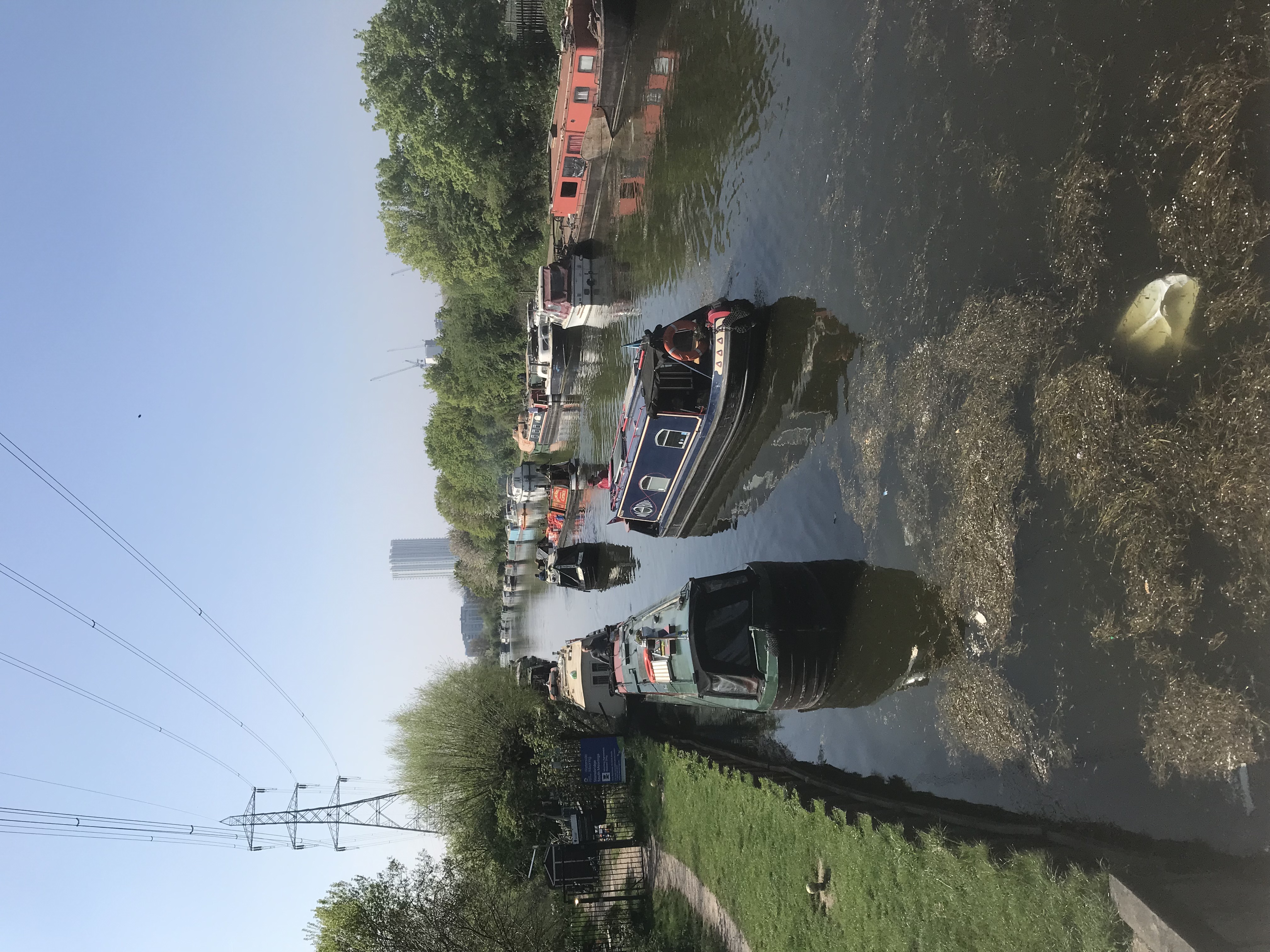
Entry 6 – Easter cruise
rnrn
rnrn
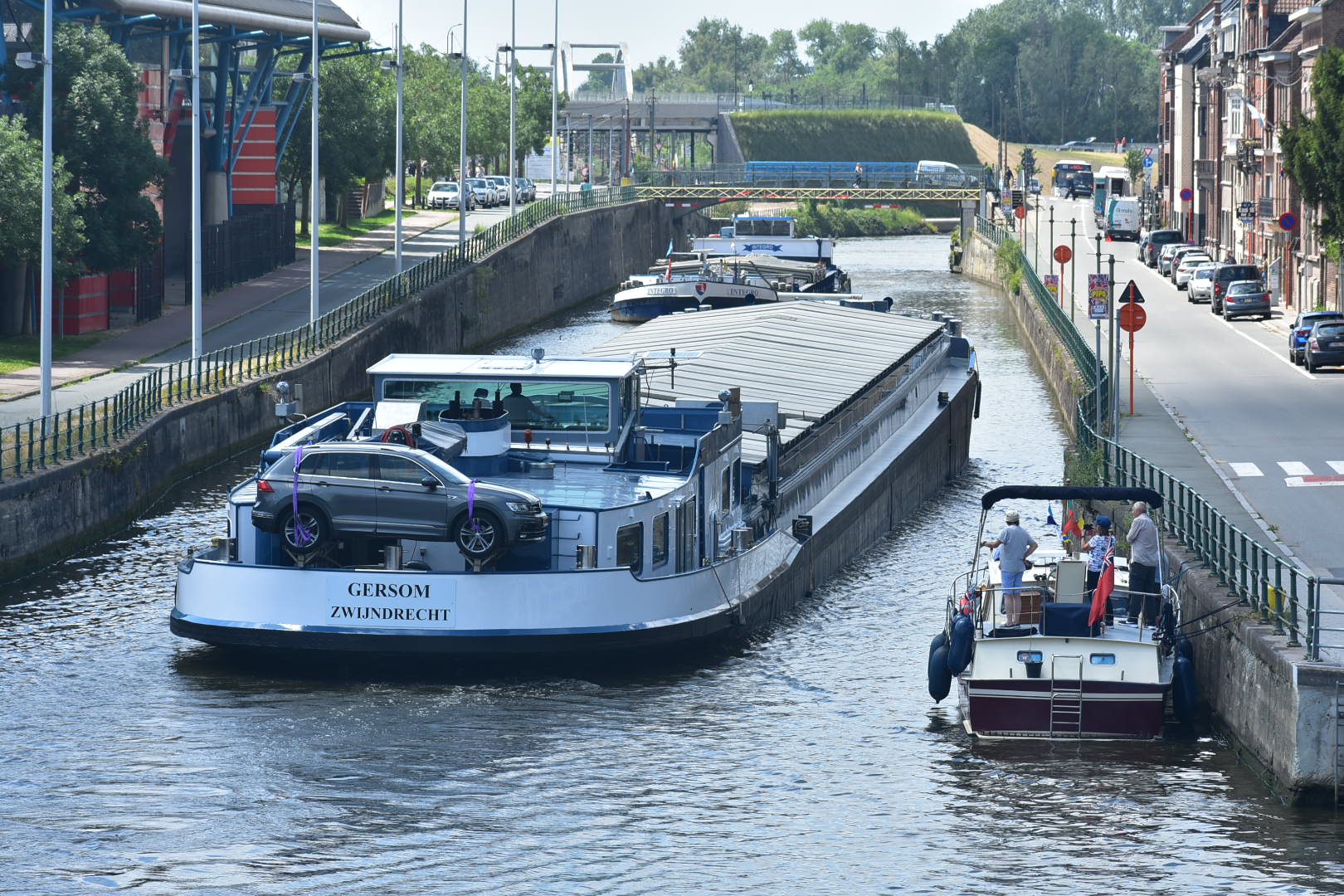
Entry 7 – Fenders should be deployed on both sides of the boat. Frances and Andrew Phasey’s boat, Halle, Belgium
rnrn
rnrn
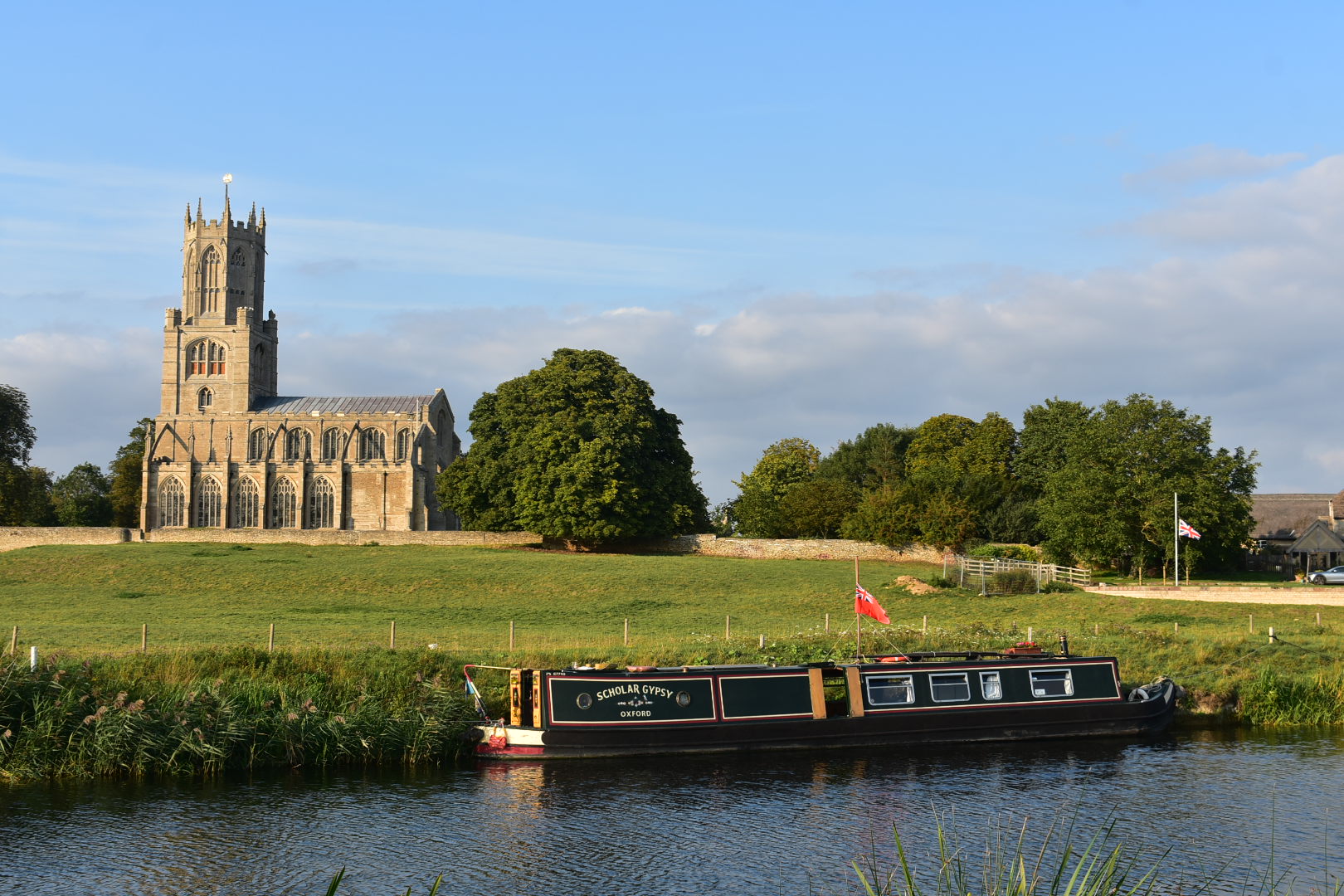
Entry 8 – Fotheringay, River Nene. Flags at half mast in honour of HM the Queen
rnrn
rnrn
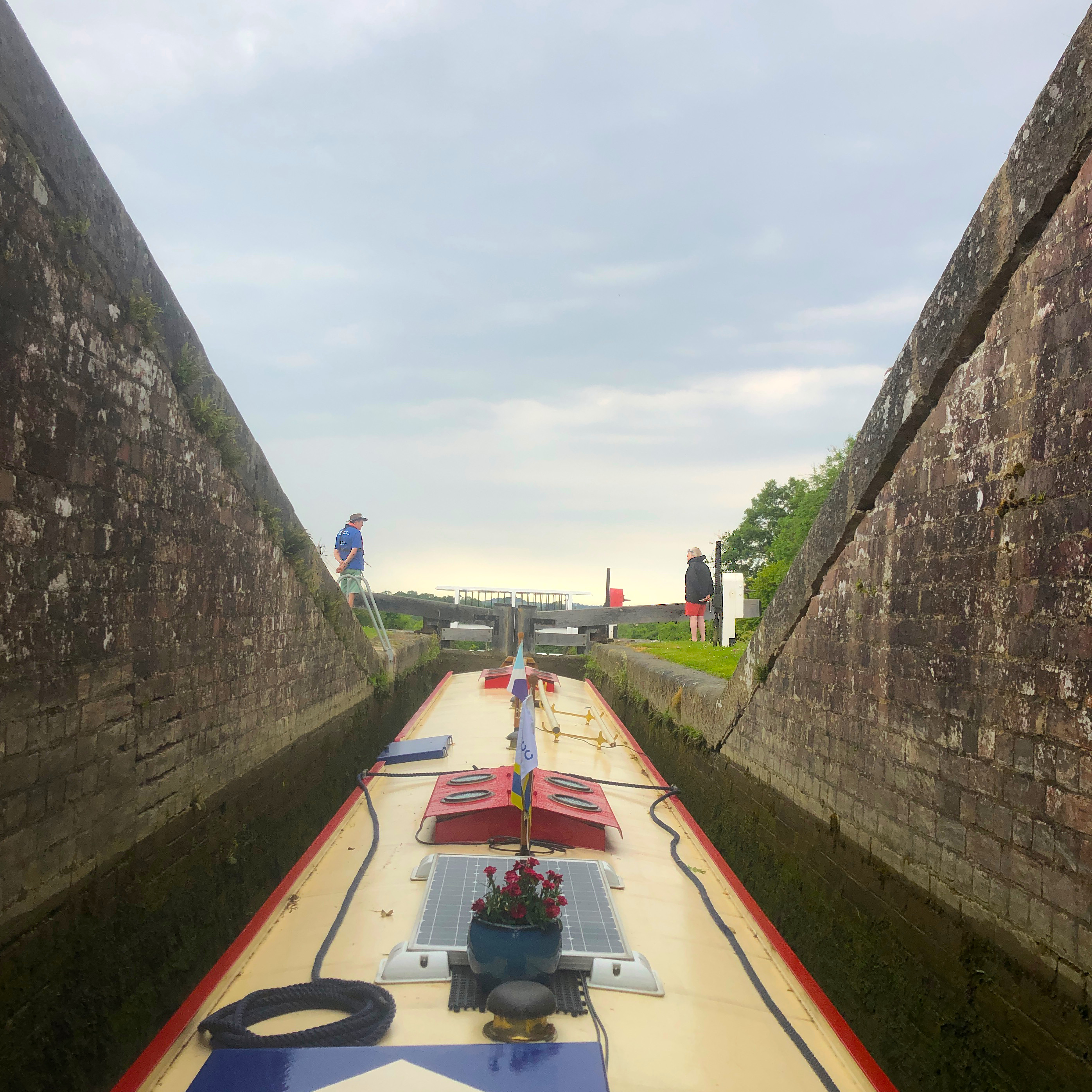
Entry 9 – Going Down – Foxton flight
rnrn
rnrn
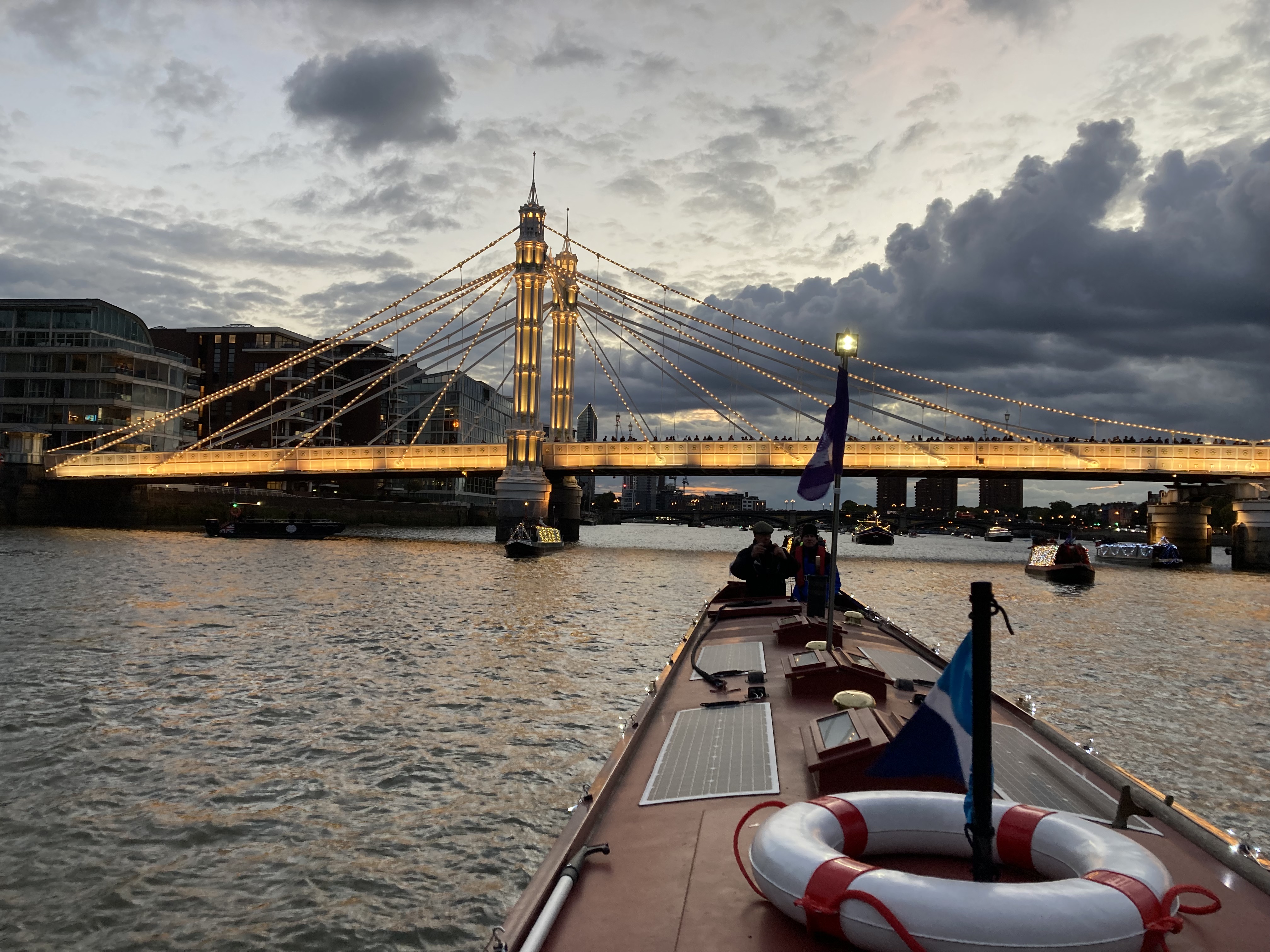
Entry 10 – Golden Bridge
rnrn
rnrn
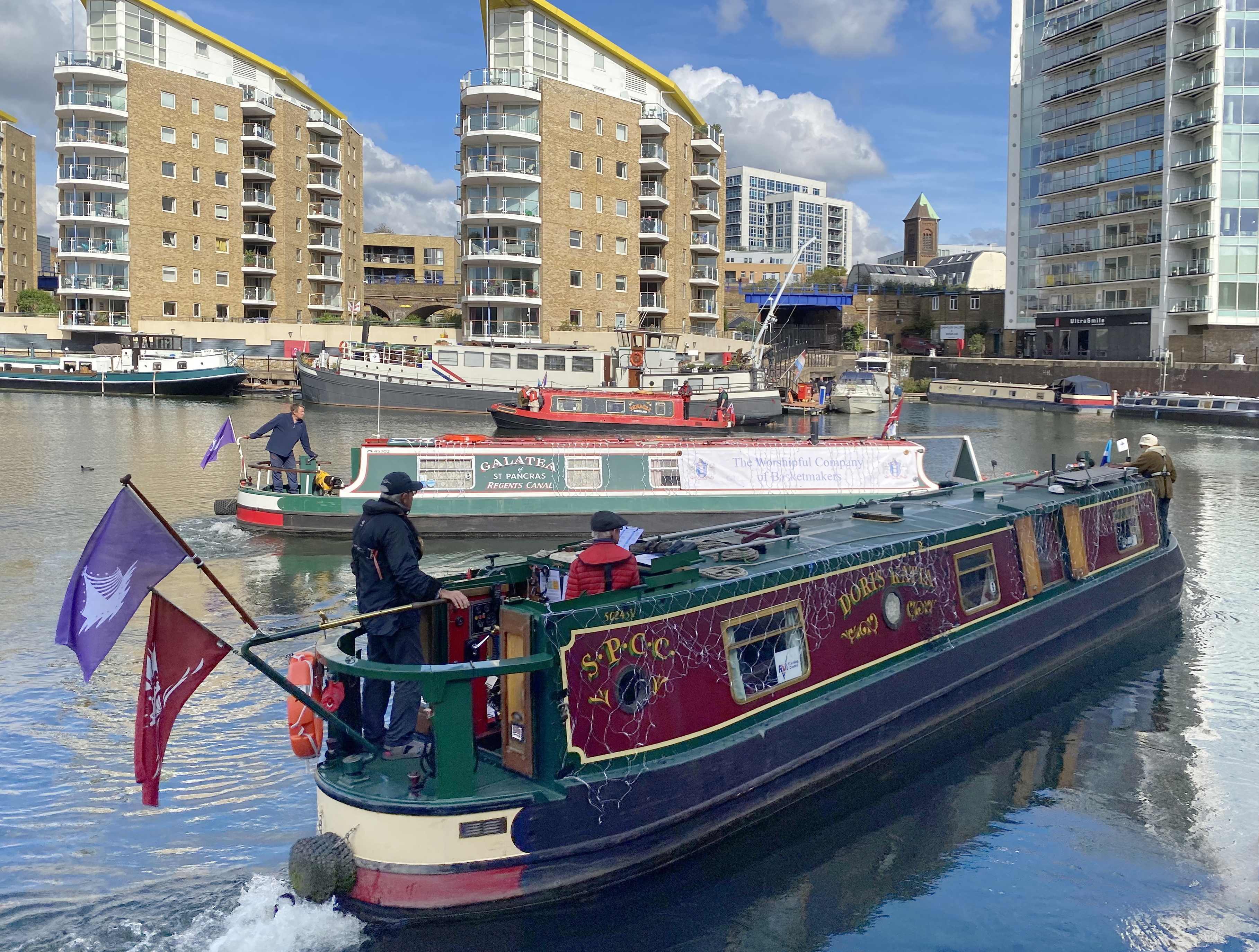
Entry 11 – Heading to Queens Platinim Reflection Illuminated Procession 24th September 2022
rnrn
rnrn
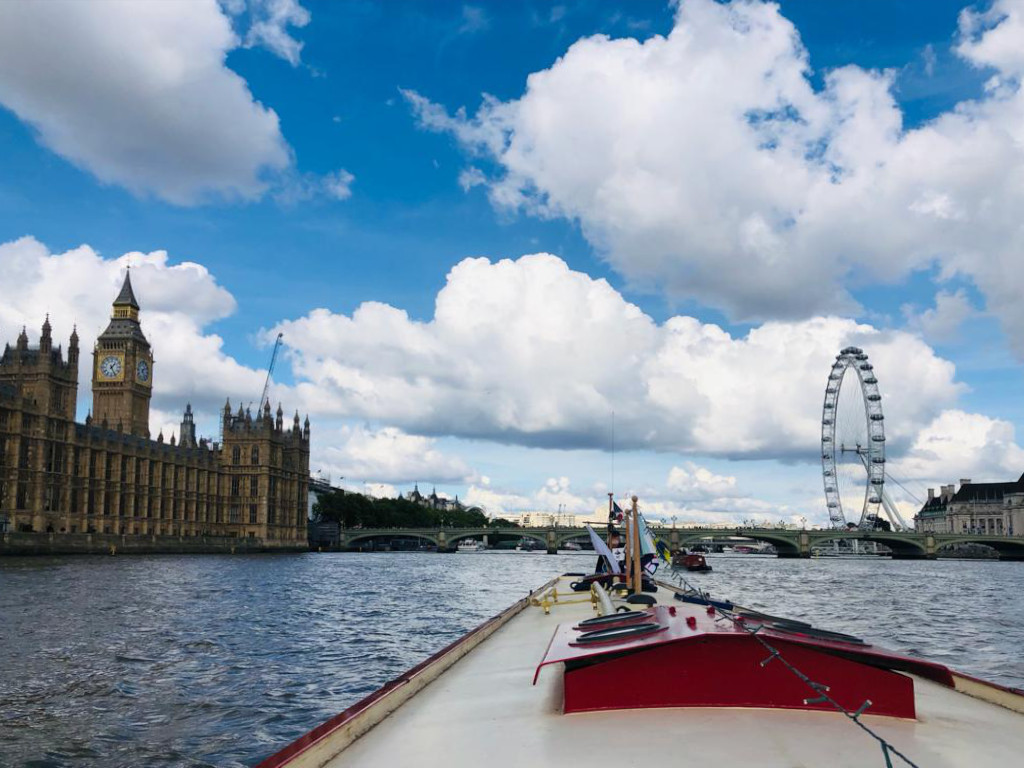
Entry 12 – Icons of London – upstream preparation for Platinum Jubilee flotilla
rnrn
rnrn
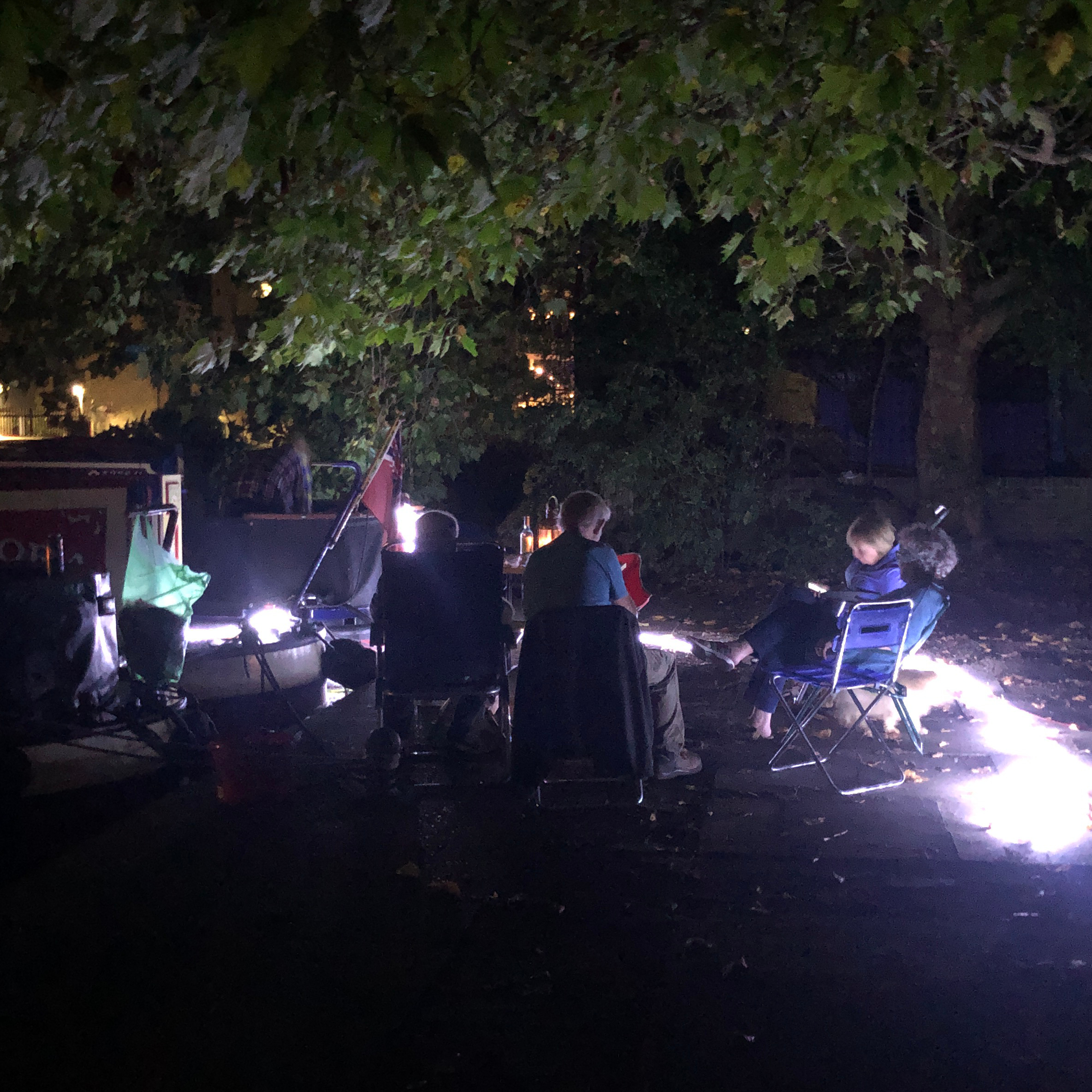
Entry 13 – Into the Night – Angel Festival barbecue
rnrn
rnrn
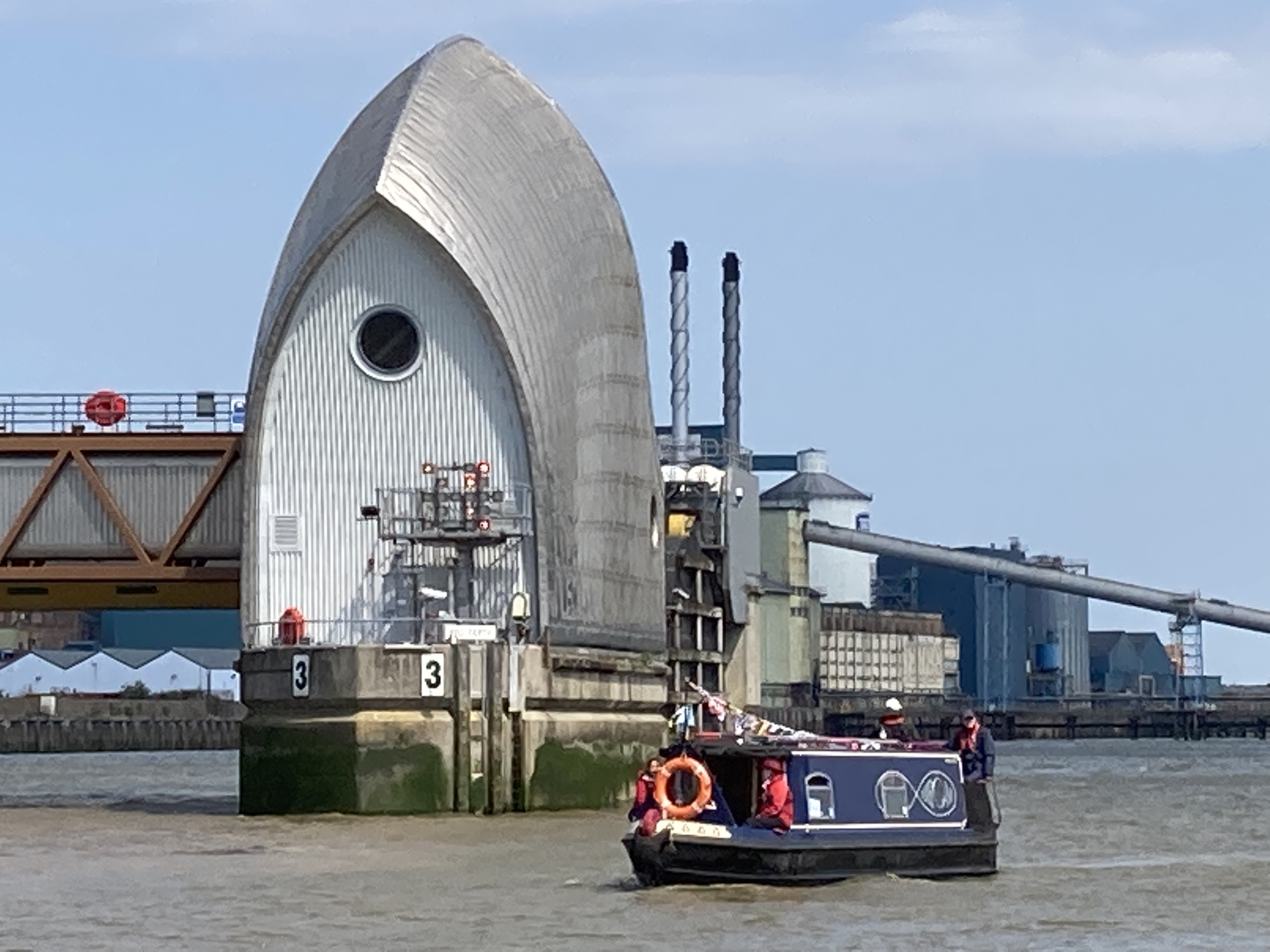
Entry 14 – Little and Large
rnrn
rnrn
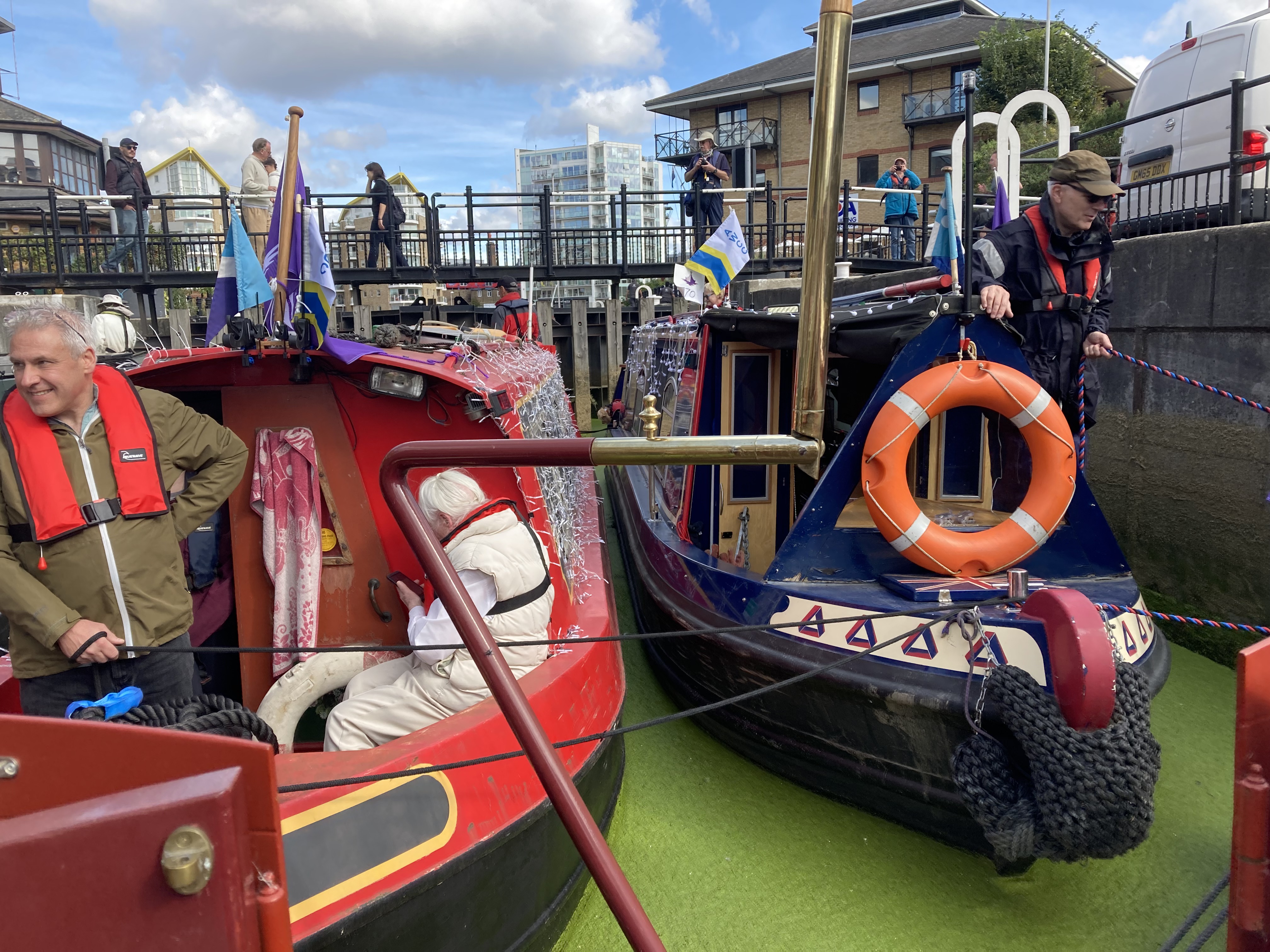
Entry 15 – Lock Down
rnrn
rnrn
Entry 16 – Manjit in her St Tropez pose (not to be confused with the Woolwich Ferry) on the way to Gravesend
rnrn
%20on%20the%20way%20to%20Gravesend.jpg)
rnrn
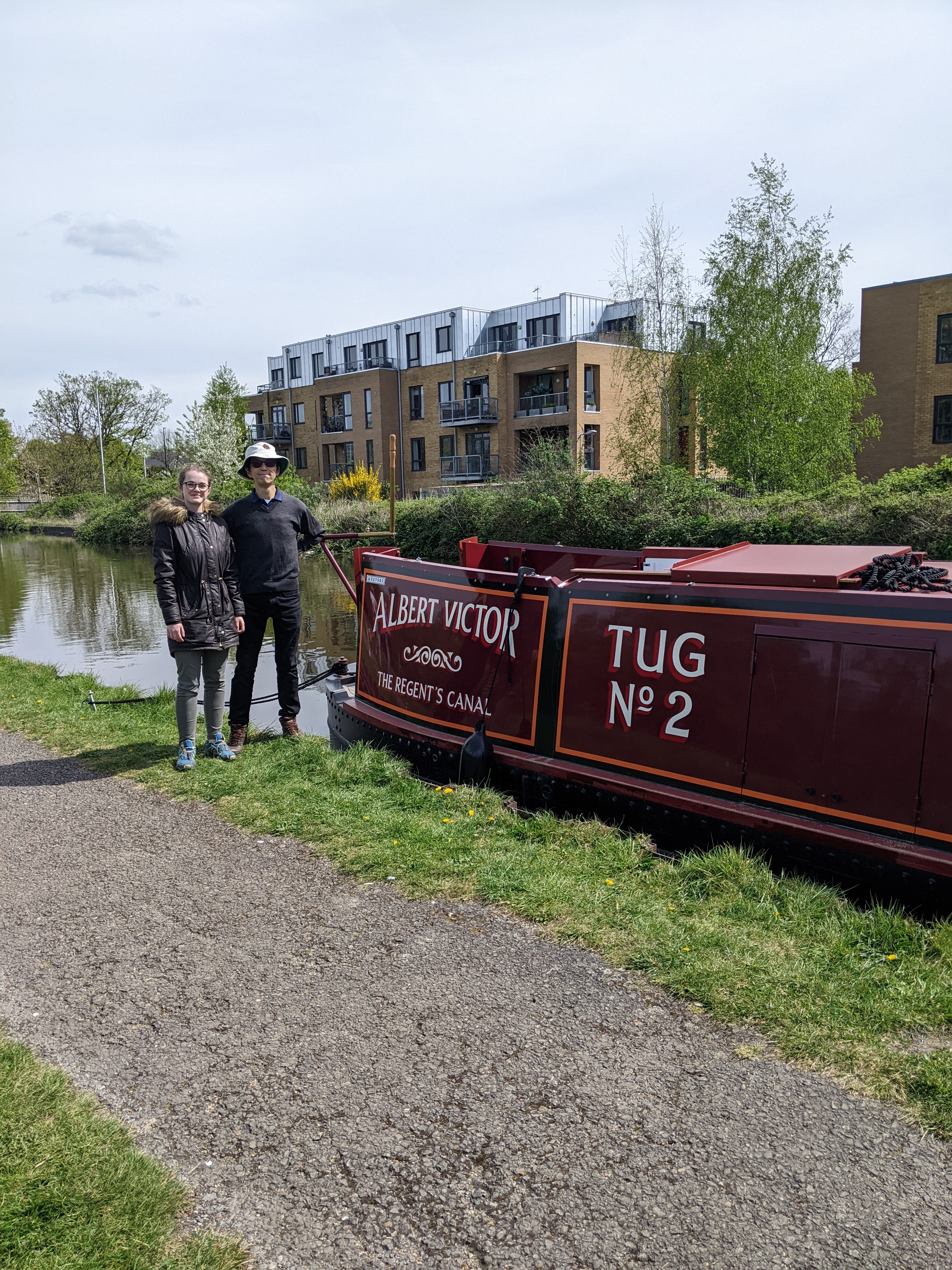
Entry 17 – Masa and Rhiana joined Albert Victor for a picnic lunch Easter 2022 just below Norwood bottom lock
rnrn
rnrn
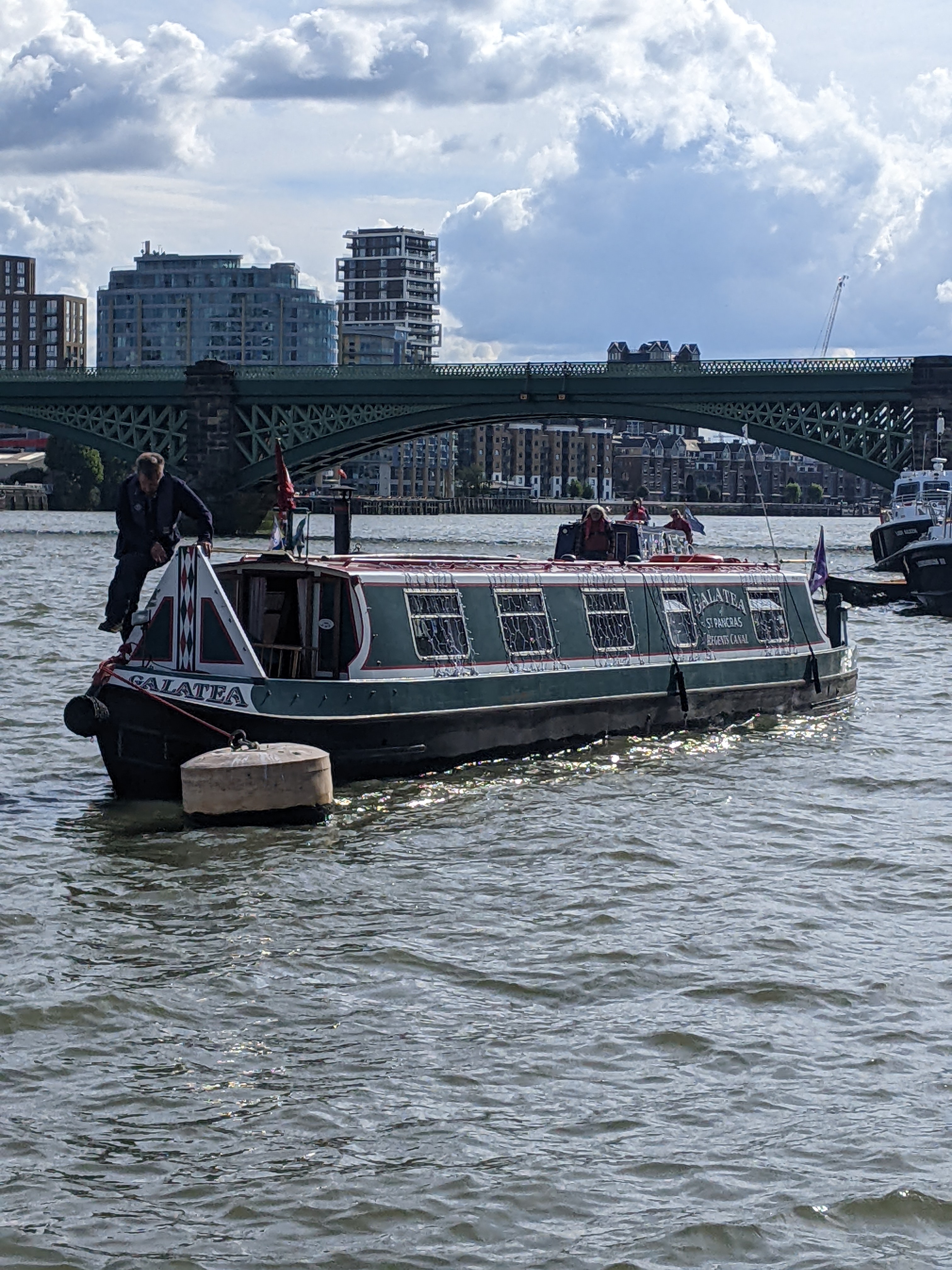
Entry 18 – Ollie Brown dancing on the gunwhales, excited by the prospects of the Reflections Flotilla
rnrn
rnrn
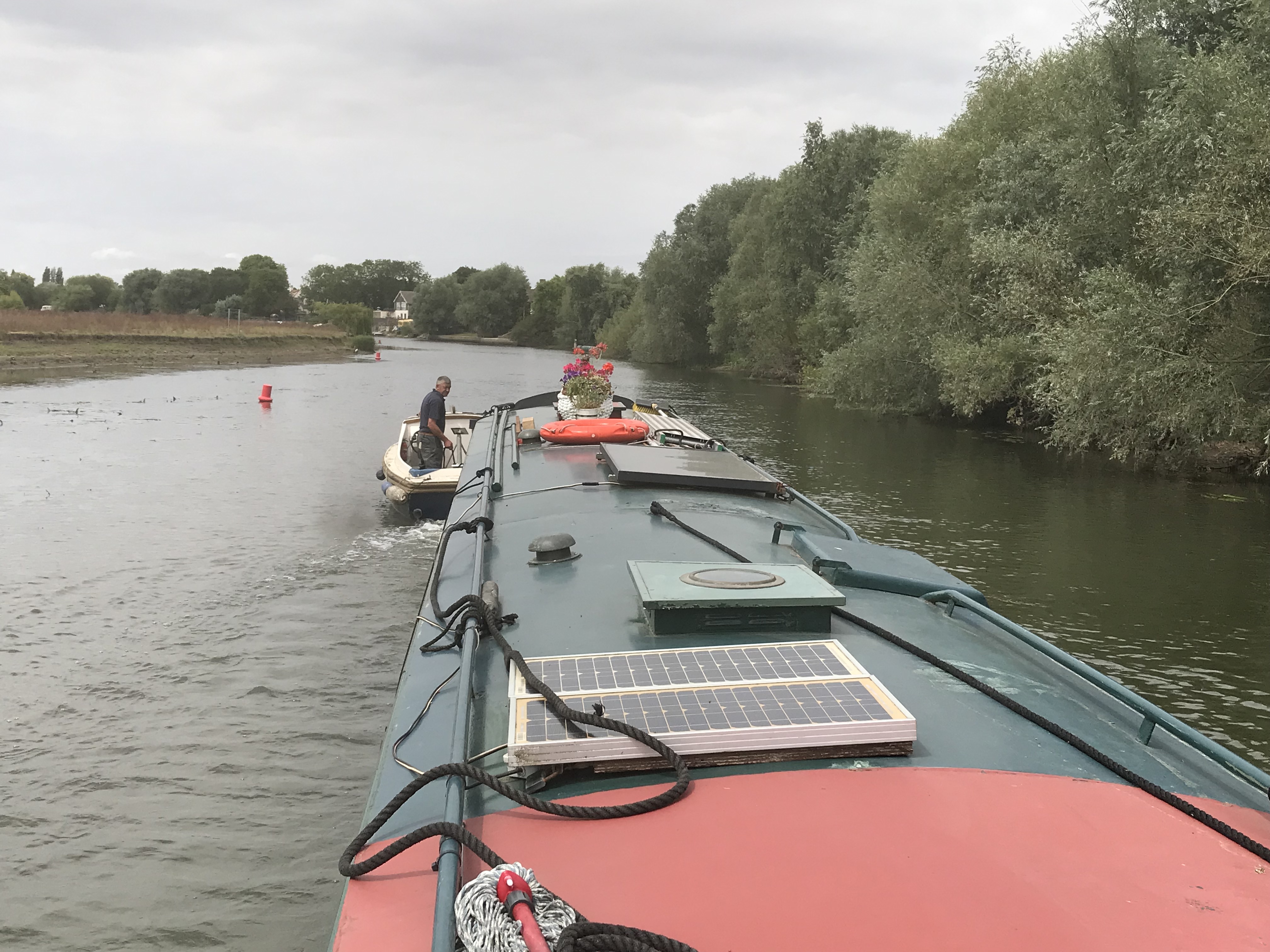
Entry 19 – On tow Great Ouse
rnrn
rnrn
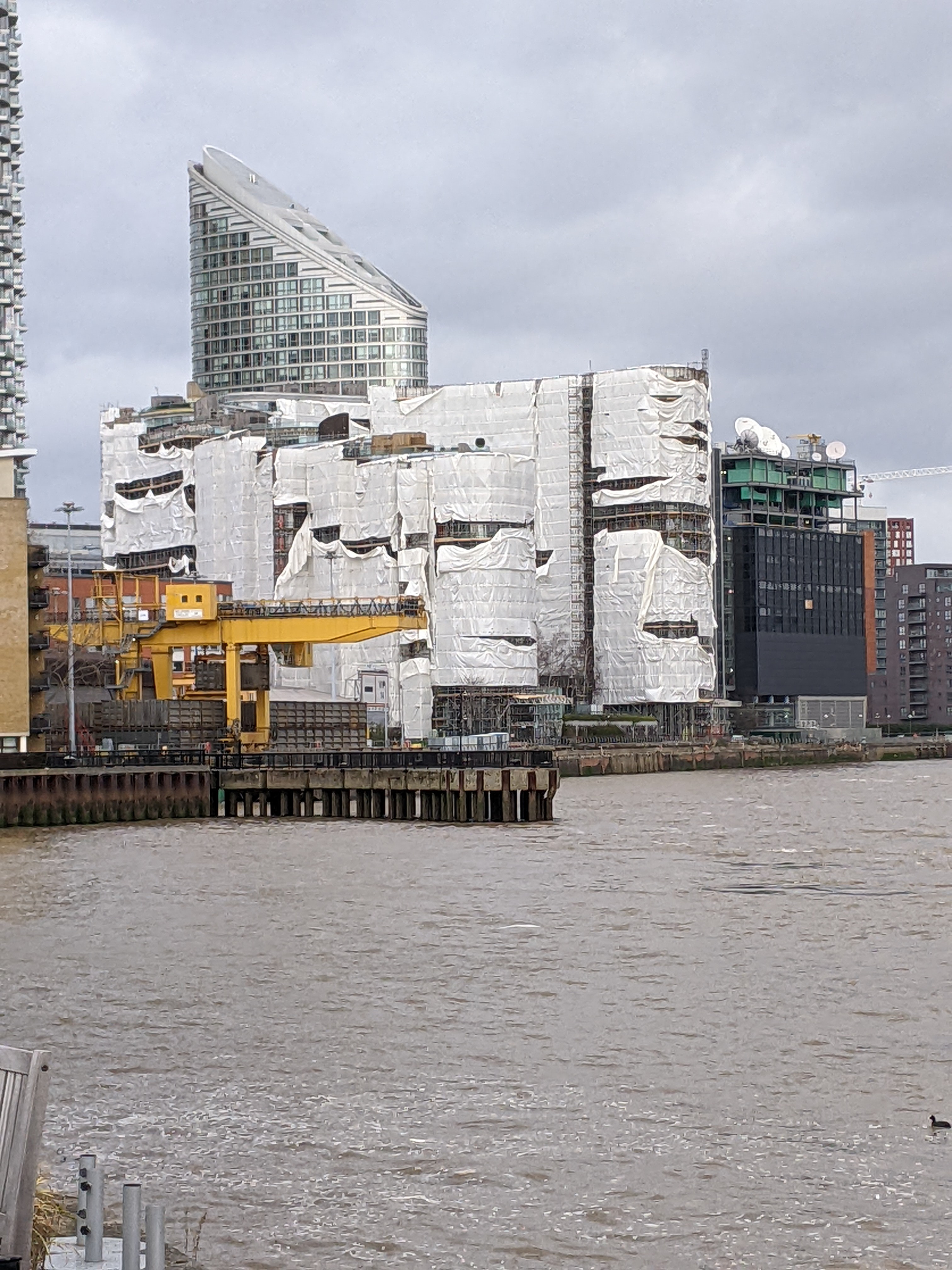
Entry 20 – Planning the Caribbean Cruise when Storm Eunice stuck
rnrn
rnrn
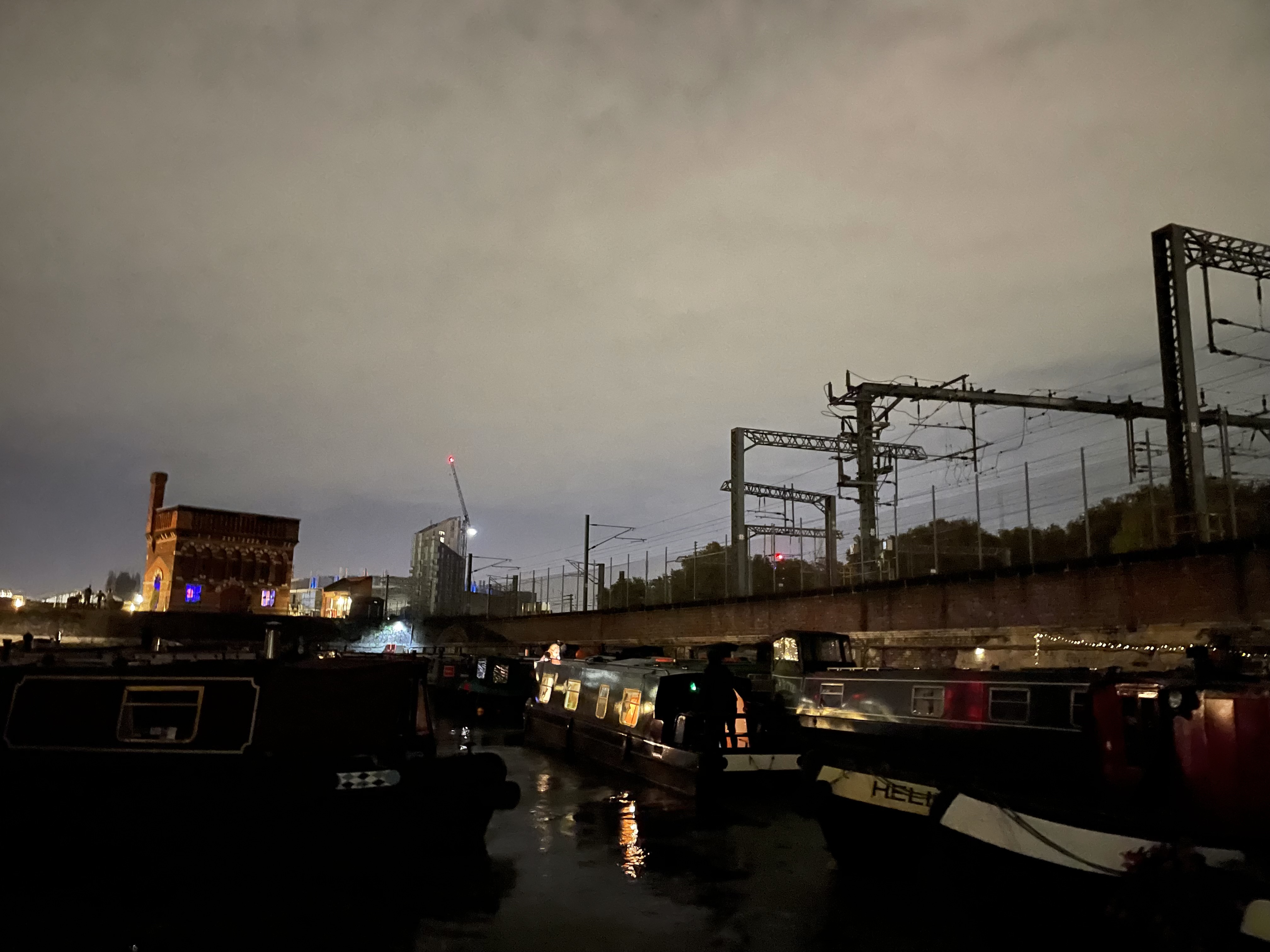
Entry 21 – Return to the basin #1
rnrn
rnrn
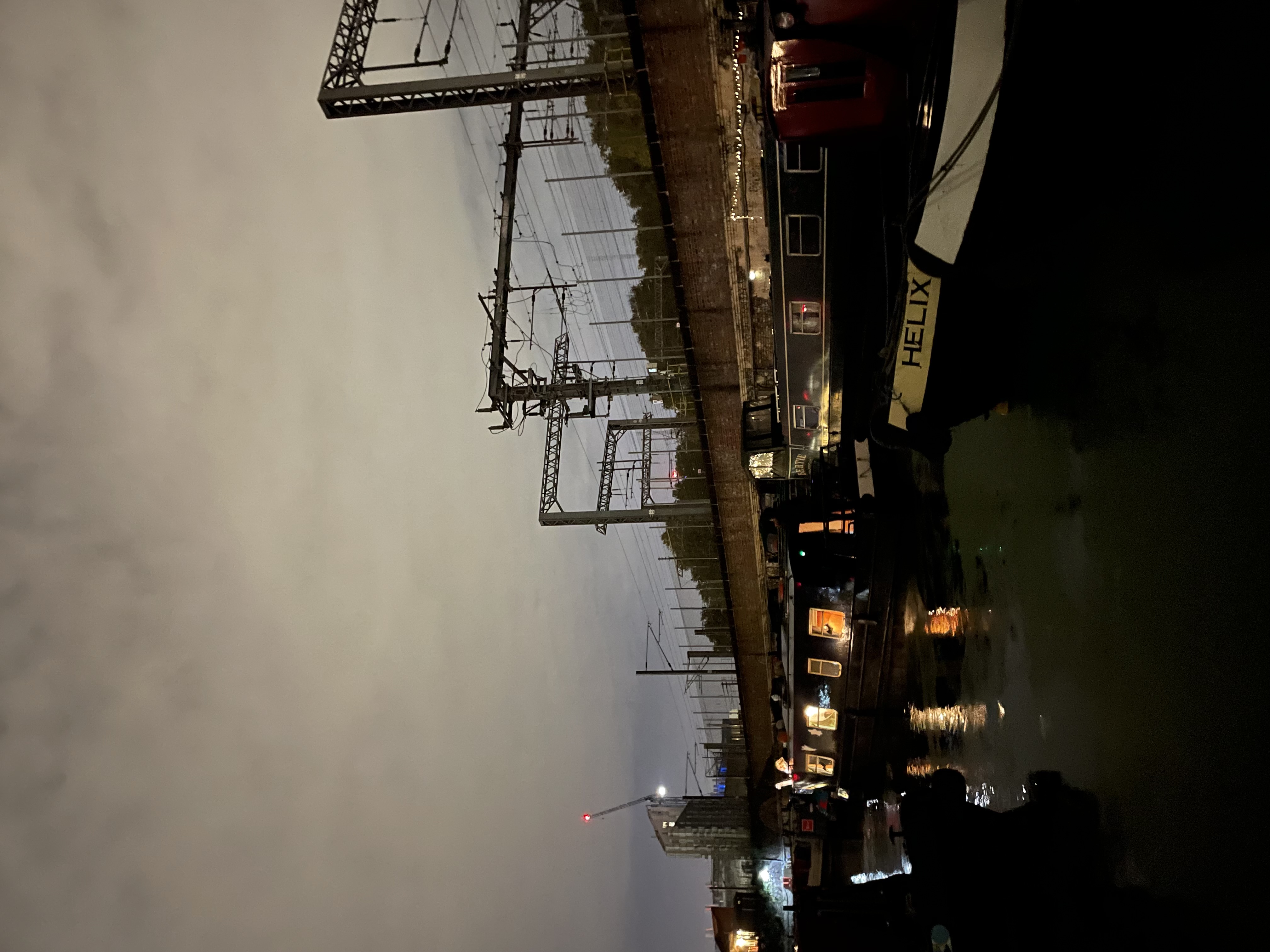
Entry 22 – Return to the basin #2
rnrn
rnrn
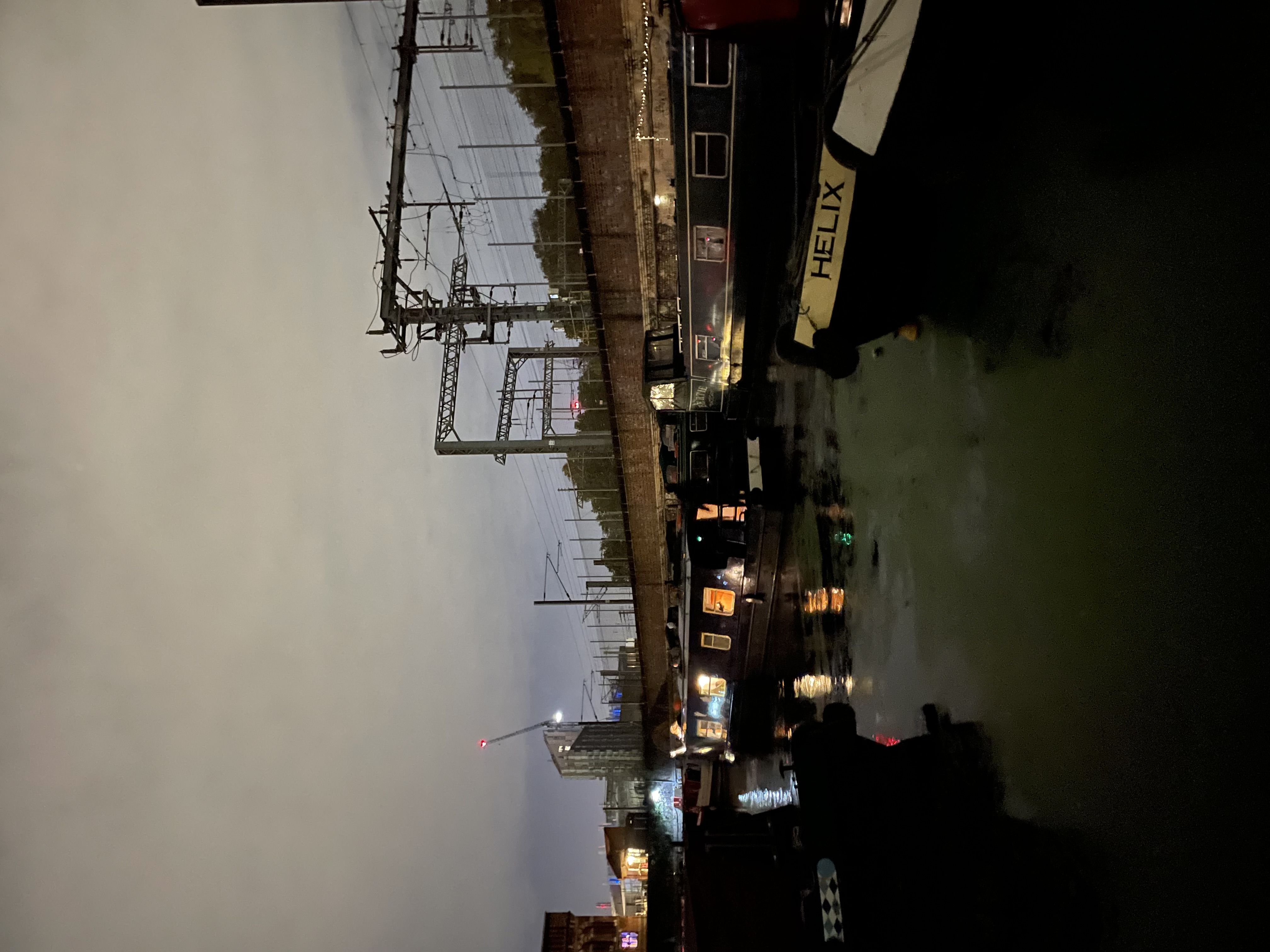
Entry 23 – Return to the basin #3
rnrn
rnrn
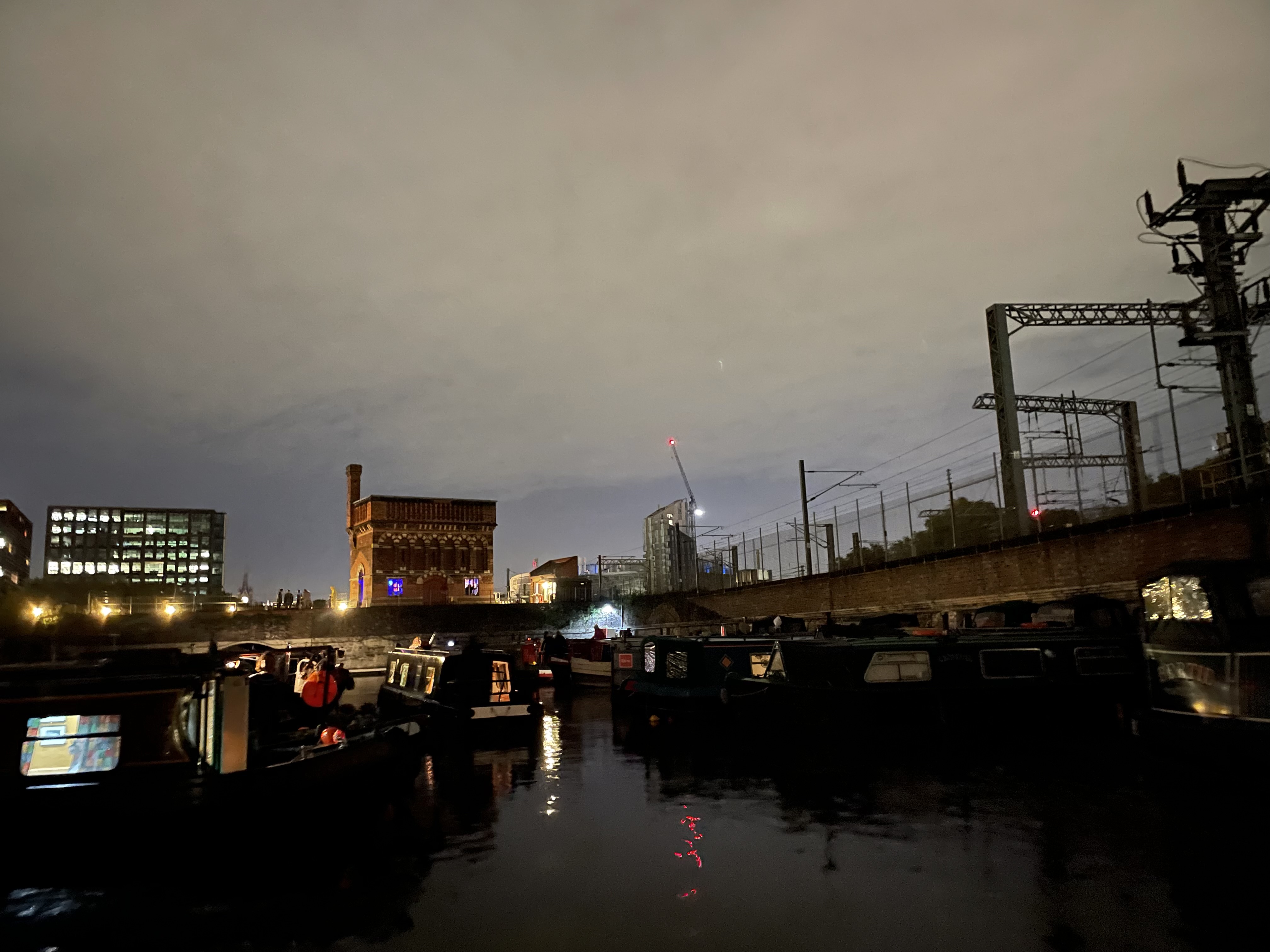
Entry 24 – Return to the basin #4
rnrn
rnrn
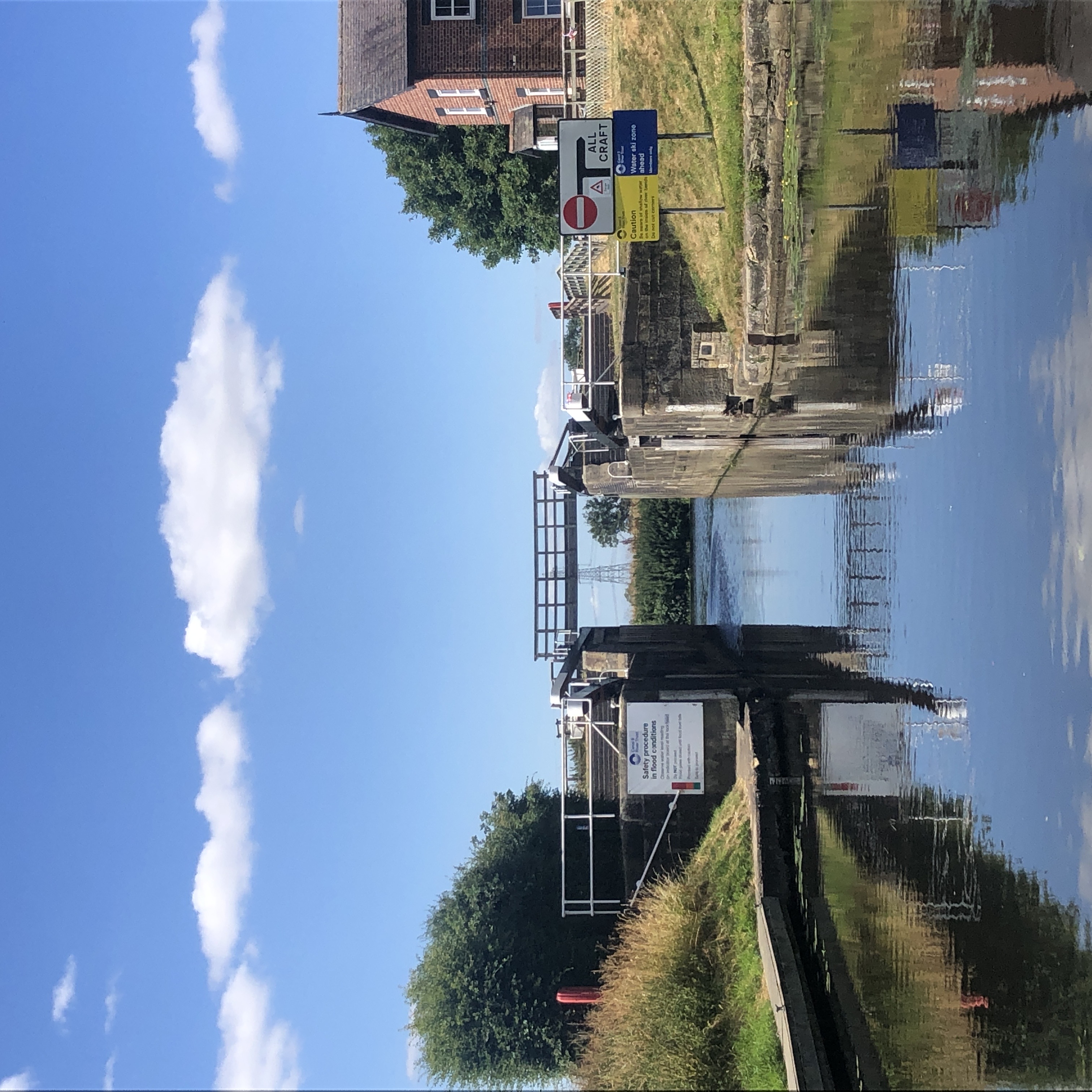
Entry 25 – River Ahead – flood gate between Selby Canal and R Aire
rnrn
rnrn
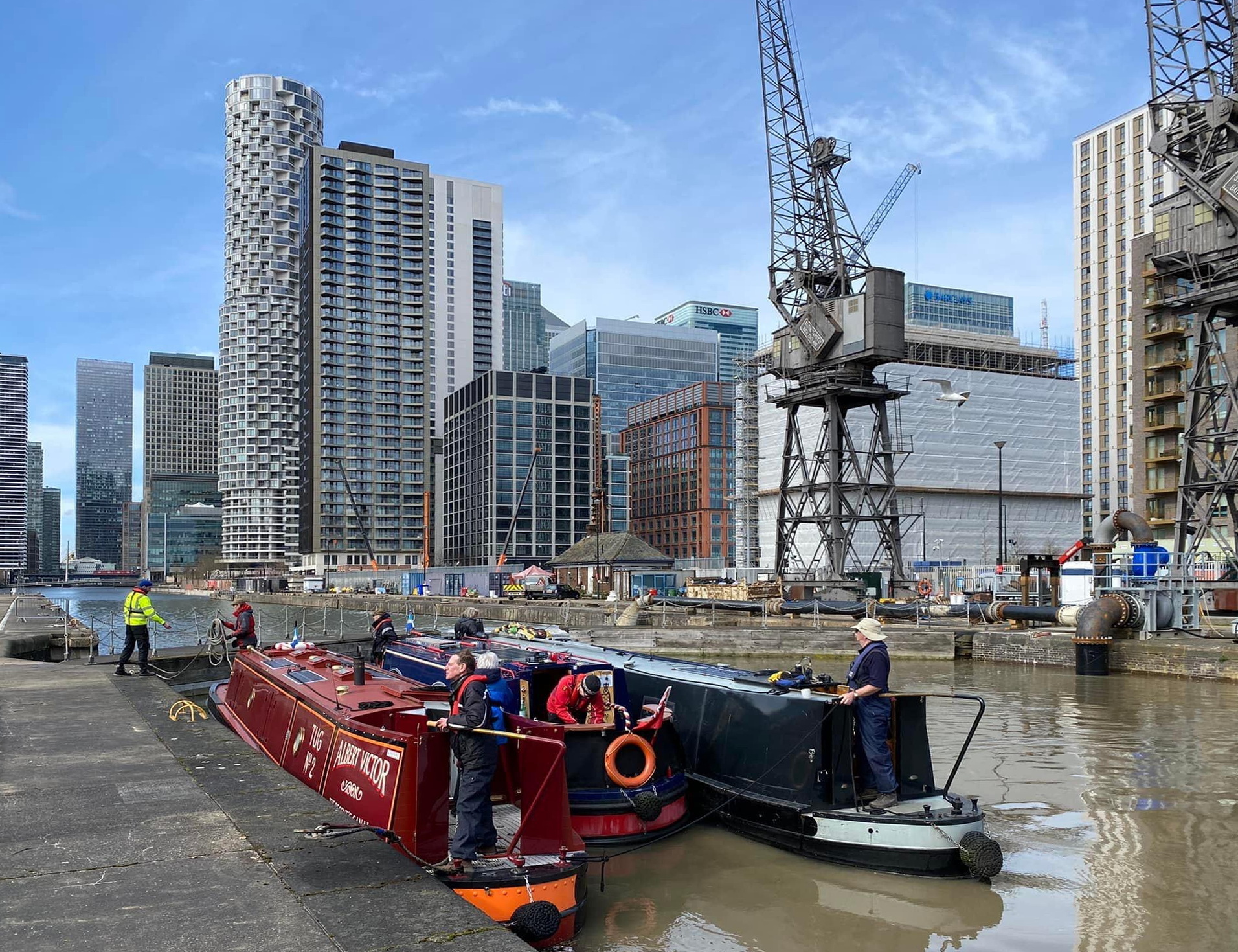
Entry 26 – SPCC Carribean Cruise Limehouse To West India Dock 14th March 2022
rnrn
rnrn
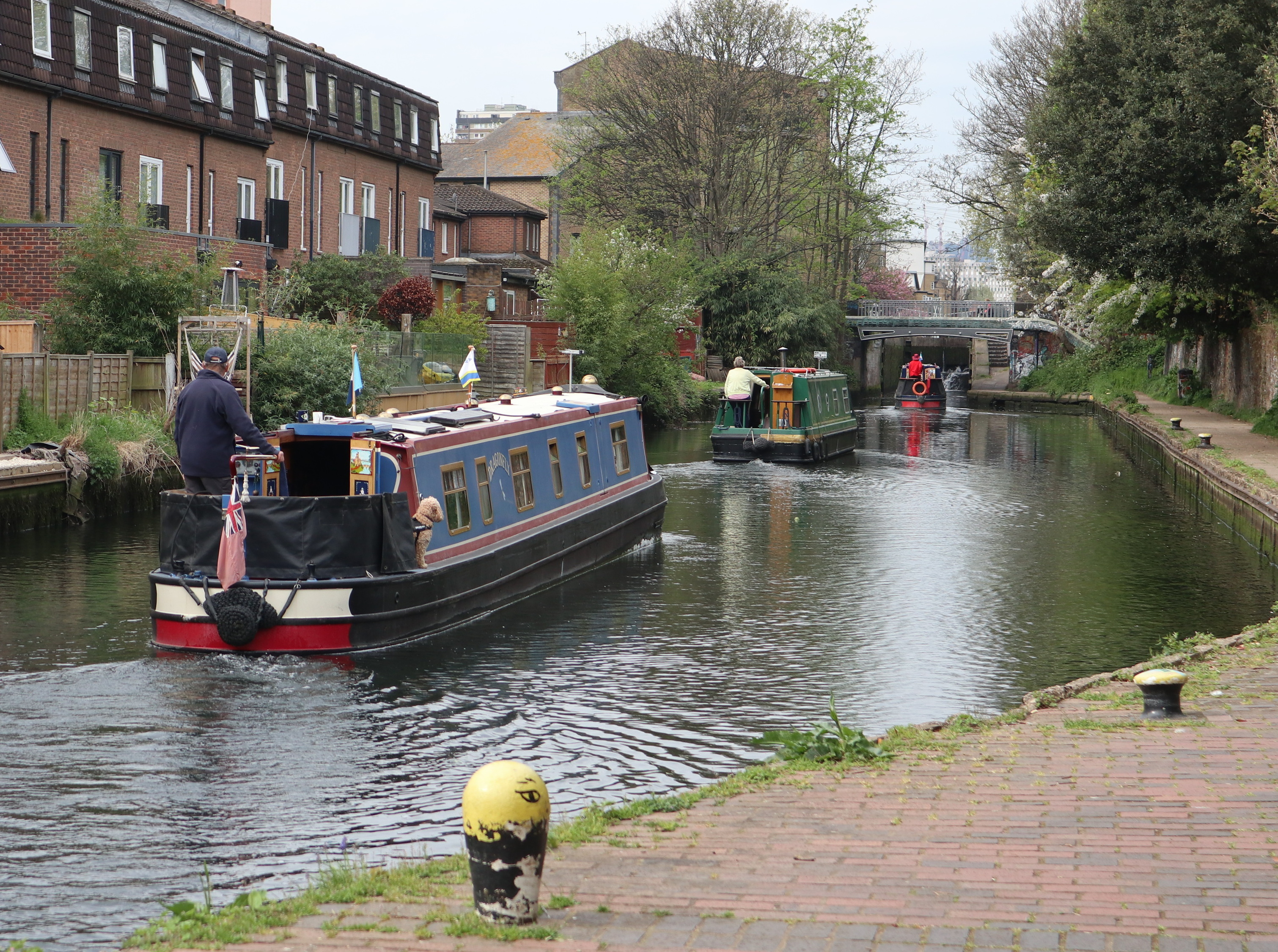
Entry 27 – SPCC Daffodil Cruise Hertford Union Canal 19th April 2012
rnrn
rnrn
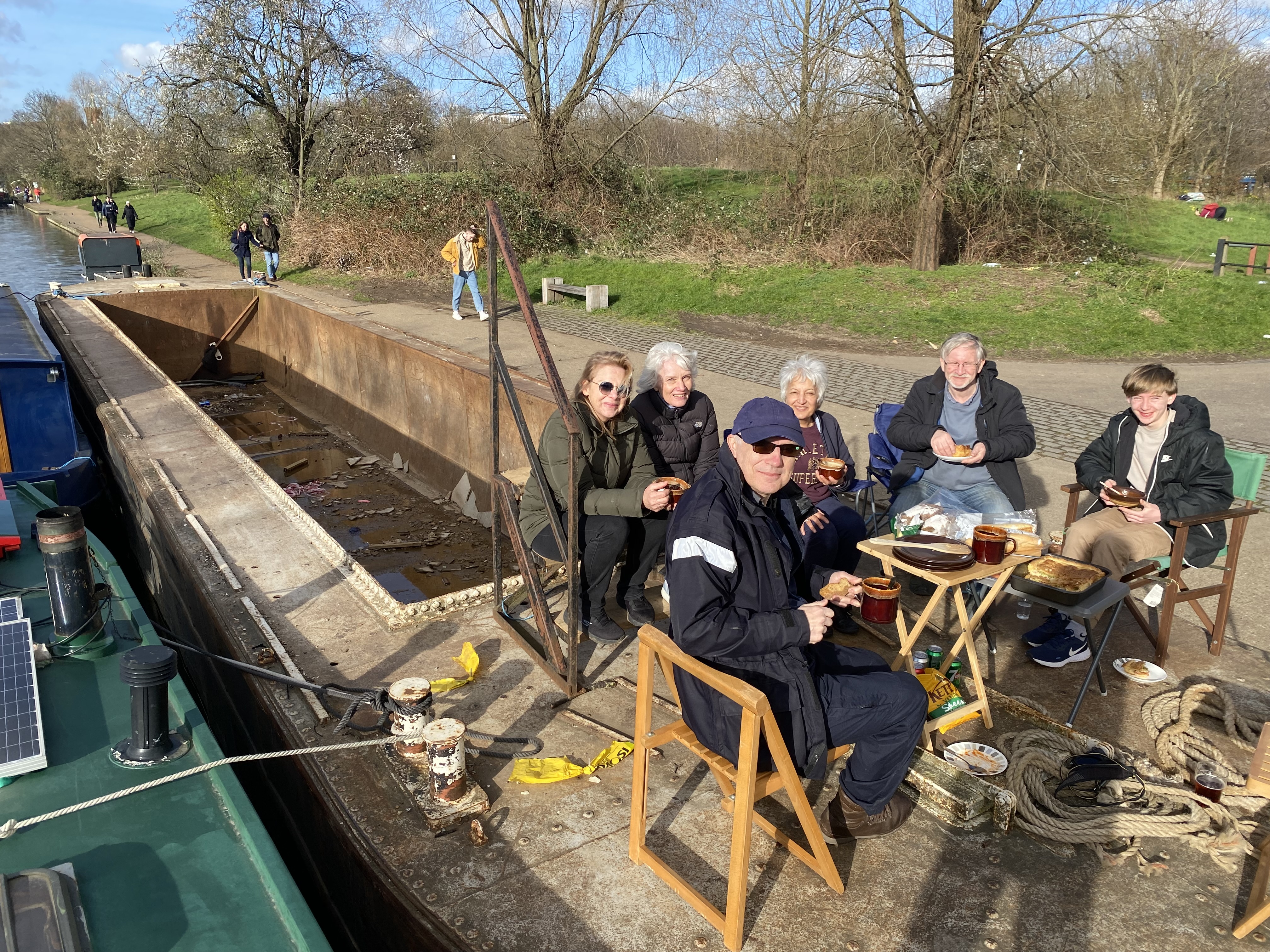
Entry 28 – SPCC Daffodil Cruise Mile End Lunch Stop 12th March 2022
rnrn
rnrn
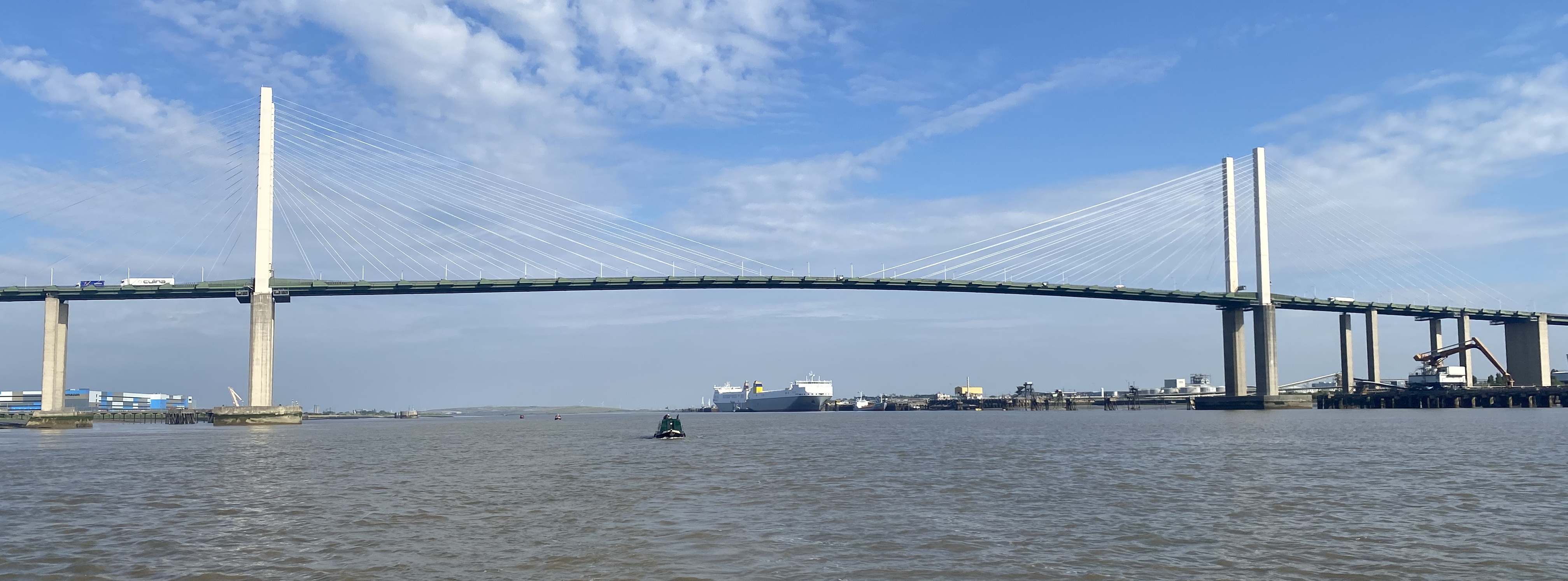
Entry 29 – SPCC Trip Limehouse To Gravesend 3rd June 2022
rnrn
rnrn
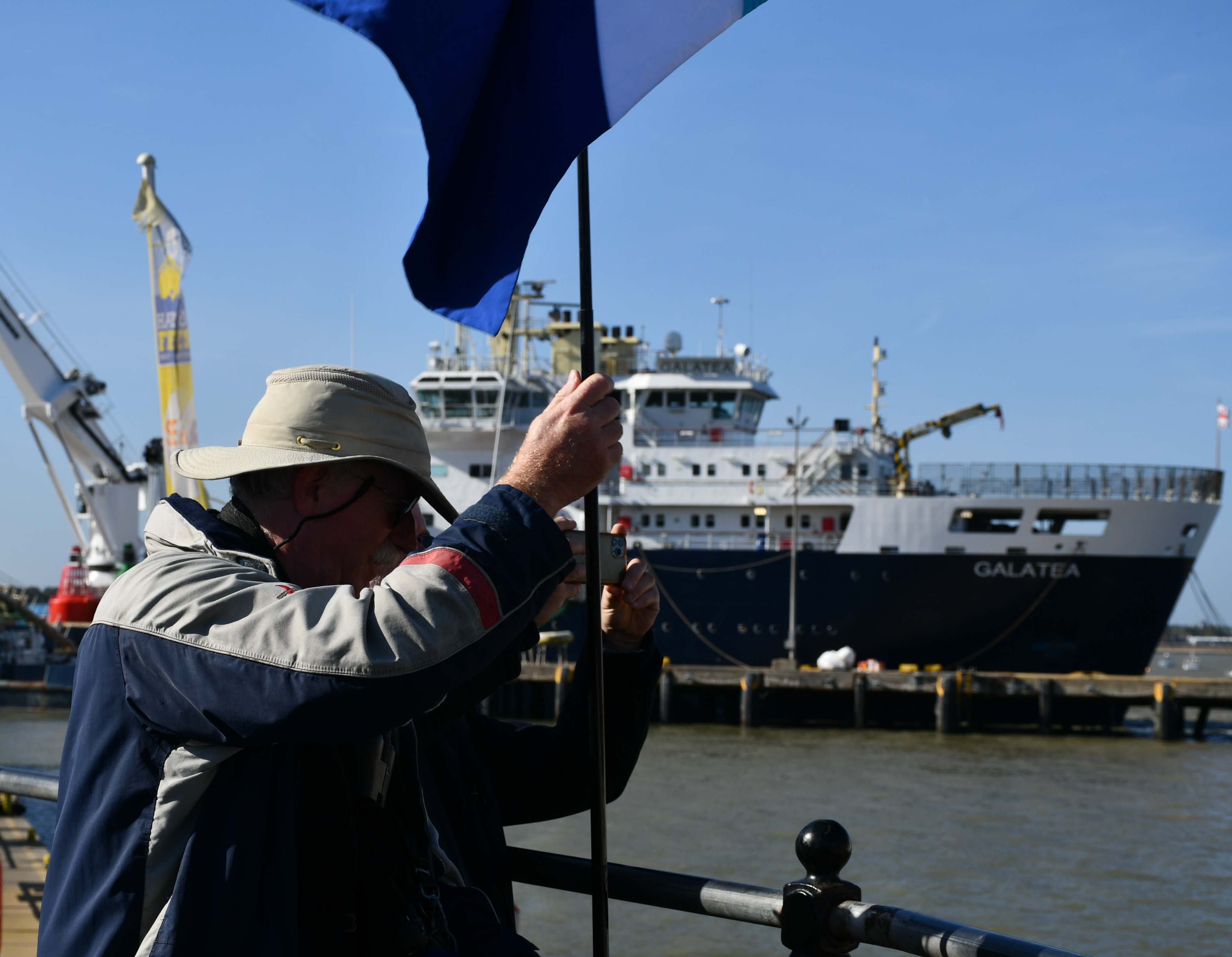
Entry 30 – Staking our Claim – SPCC flag at Harwich ahead of the Waverley Cruise
rnrn
rnrn
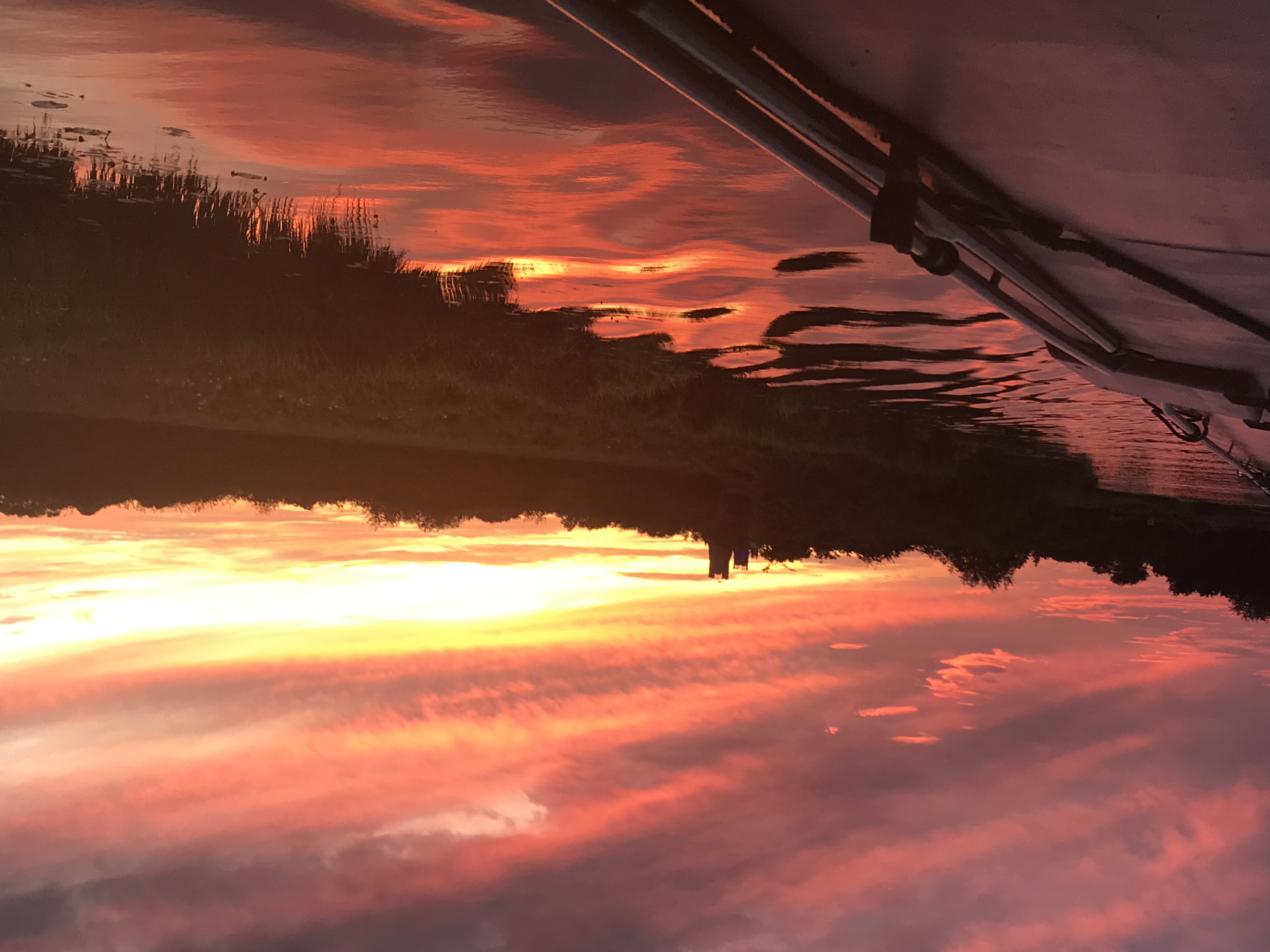
Entry 31 – Sunset over Ely Cathedral July 2022
rnrn
rnrn
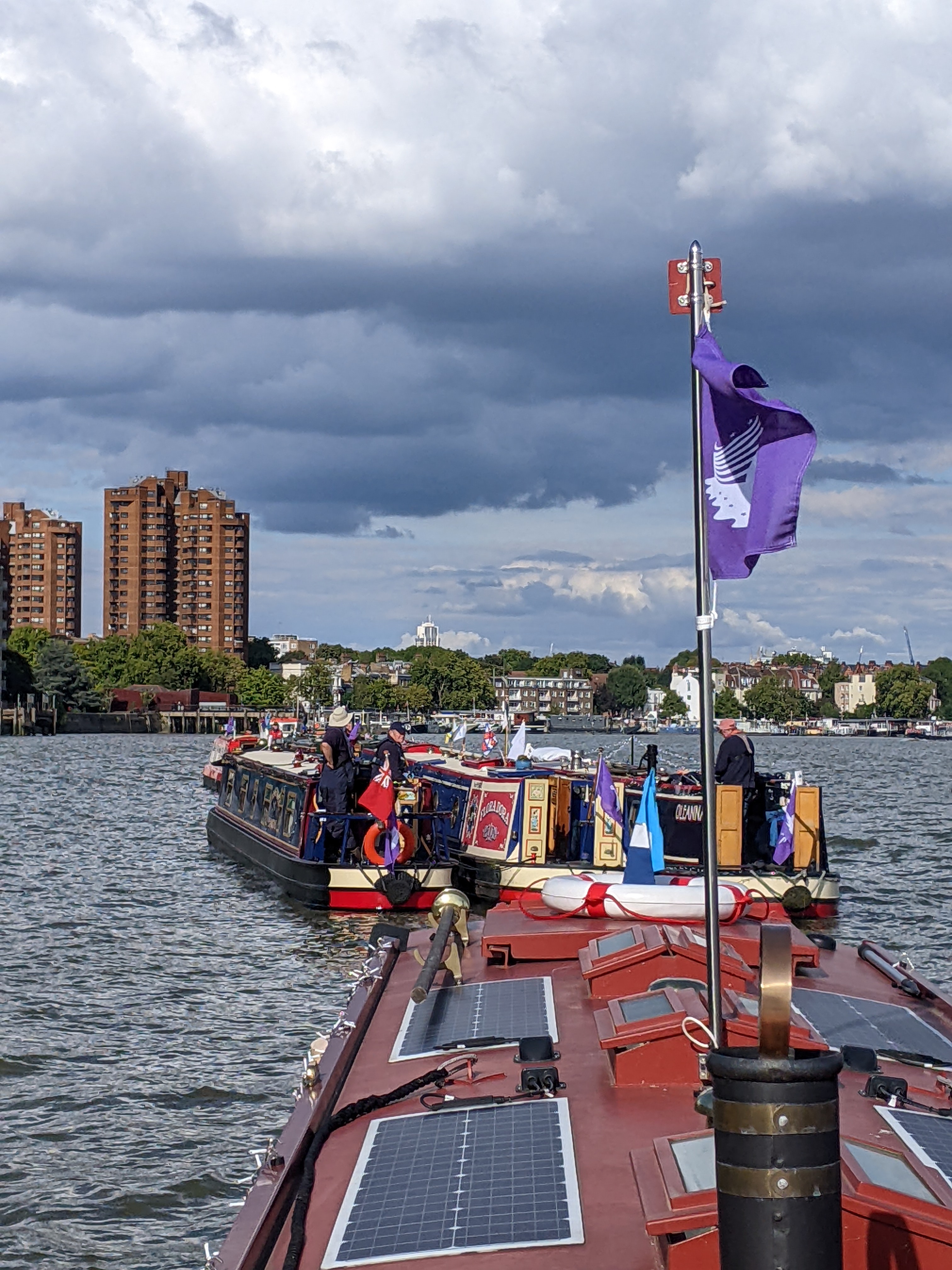
Entry 32 – The Fleet awaiting the signal to go for the Reflections Flotilla Sep 2022
rnrn
rnrn
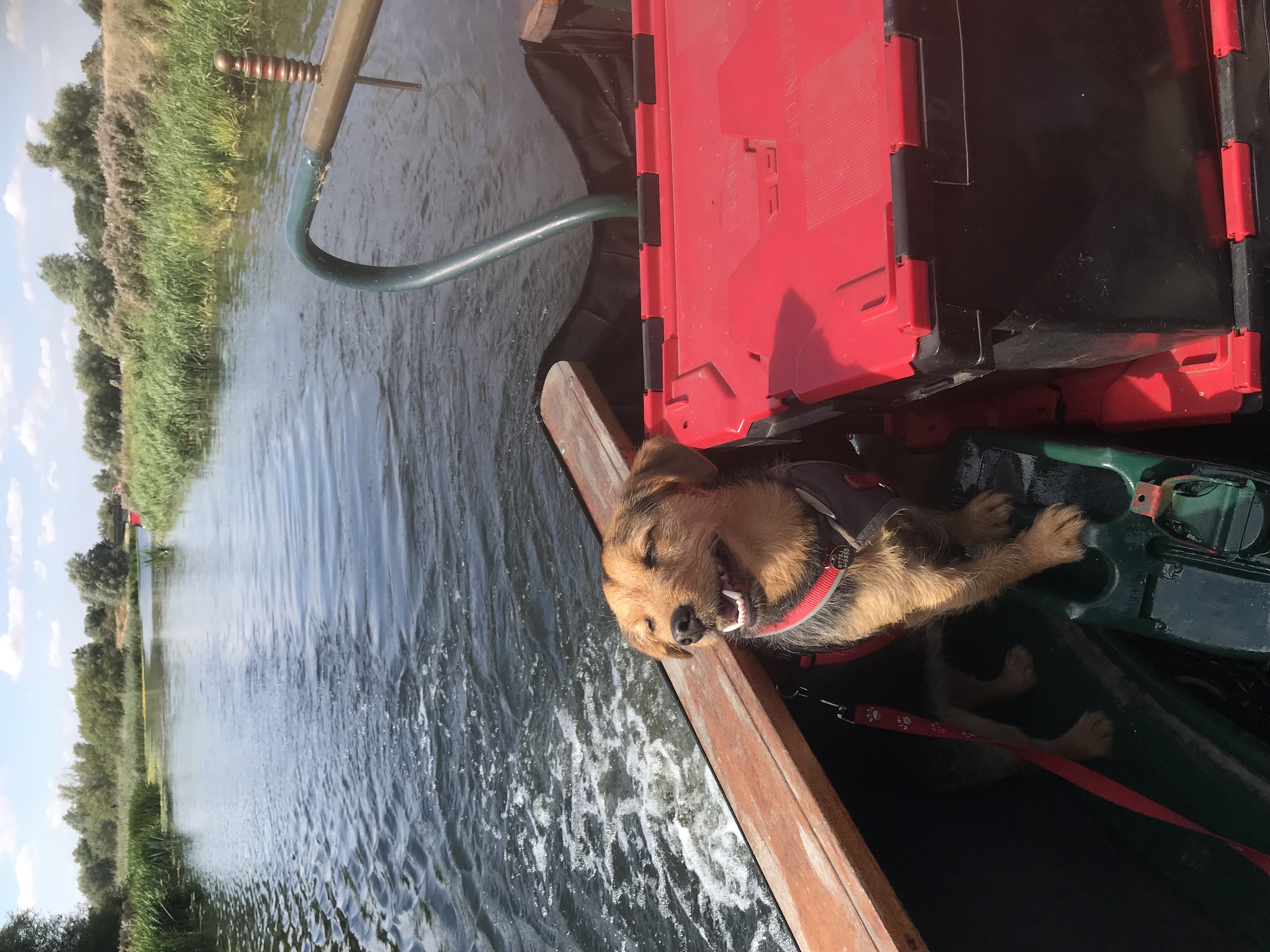
Entry 33 – The joy of boating
rnrn
rnrn
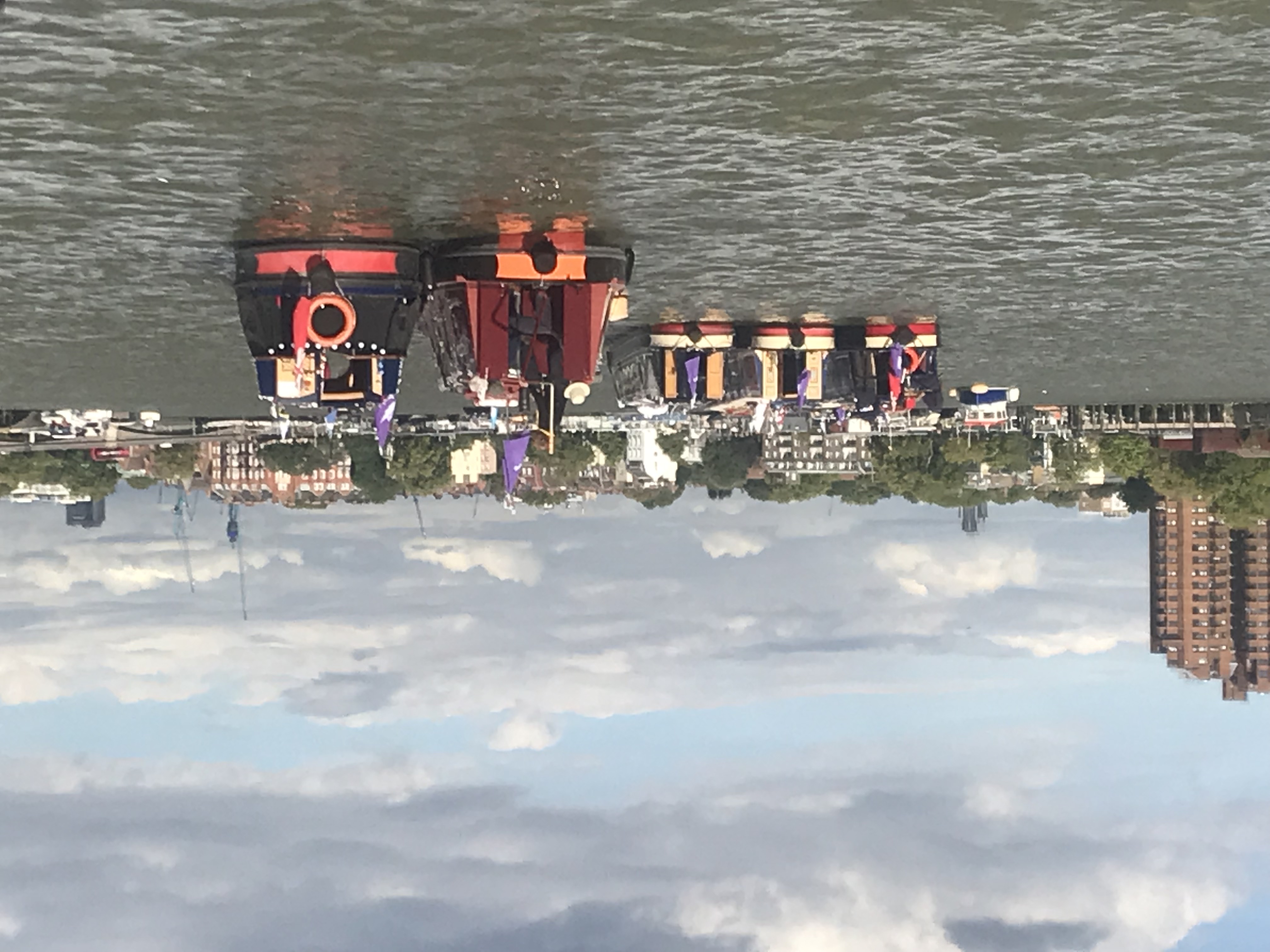
Entry 34 – Waiting for the off
rnrn
rnrn
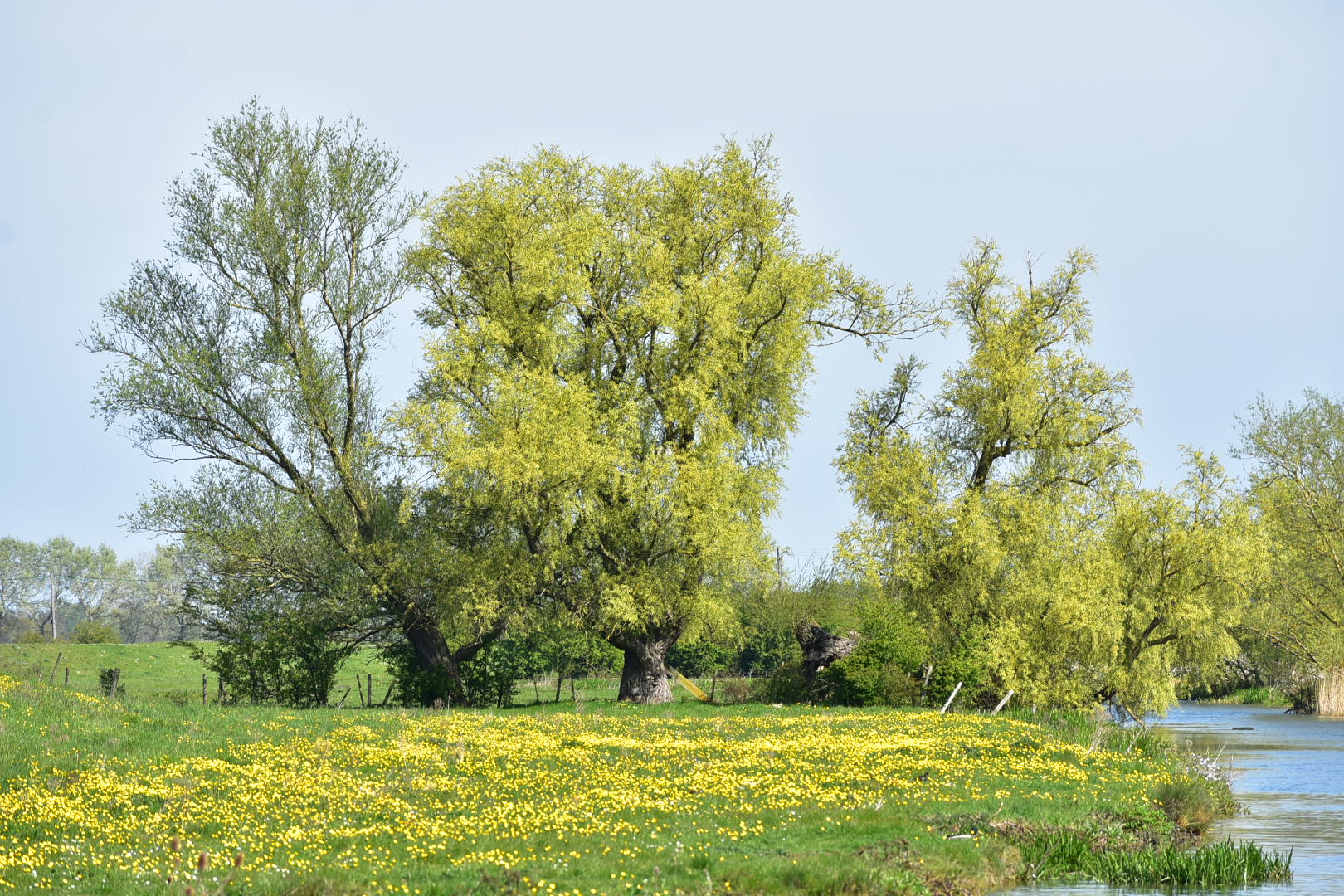
Entry 35 – Wild flowers on The Old West River
rnrn
rnrn
rn
Privacy Statement Introduction In accordance with our data protection policy, this privacy statement explains how we use your data, how you can control the way in which we use that data and what actions you can take if you would like to change the way in which your data is being used.
rnrn
Who are we? We are St Pancras Cruising Club, a members’ club that exists to promote pleasure cruising on UK inland waterways and to provide facilities for its members and others.
rnrn
Why do we need your information and whose data do we collect? We are membership organisation which exists to support use of the waterways with a specific focus on the canals and rivers of London. To this purpose the Club organises regular cruising events for members and non-members, and promotes safe boating on the Thames tideway. In addition, the Club leases St Pancras Yacht basin and St Pancras Waterpoint from the Canal and River Trust. We maintain a strong interest in the local area (Camden and Islington Boroughs). We hold data on people who do, or might do, the following: • Become a member of St Pancras Cruising Club, • Take part in Club events or activities, • Support St Pancras Cruising Club financially and in other ways, • Wish to receive information about St Pancras Waterpoint
rnrn
How we obtain your data From you The majority of the information we hold about you will have been provided directly by you when you have registered on the Club website, or taken part in one of more of the activities outlined above. From someone other than you We may receive information from a member of the Club who has suggested that you are interested in membership or Club activities.
rnrn
What we do with your data The core activities we carry out with your data enable us to: • Send information to you about St Pancras Cruising Club and your membership, • Administer your membership, • Build financial and volunteer support for St Pancras Cruising Club and its activities through various fundraising and community activities, • Promote the aims and objectives of St Pancras Cruising Club through any other activities not specifically mentioned.
rnrn
What information we collect We collect the following classes of information: • Name(s) and address, email addresses, phone number(s) and other relevant contact details and preferences. • From members we collect information regarding their boats and vehicles, • Use of social media relating to St Pancras Cruising Club. • Records of donations. • Information about our relationship with you, correspondence, meeting notes, attendance at events etc. • Occupation, skills and professional activity, network(s) and interests where relevant to our needs. • Demographic, professional information and interests where these are relevant to our needs.
rnrn
Profiling Although we do not currently do this, we may in future use your data to group together people who have behaved, or might behave in similar ways. For example, we might find that people who had been to certain events were likely to come to similar events. If this was the case then we might “tag” your record to remind us to include you in invitations to similar events or to assess the likelihood that you might come to another type of event. You have a specific right to ask us not to do this. If you would prefer us not to, then please contact us using any of the contact details below.
rnrn
Protecting your data We keep your data secure in our database with appropriate security mechanisms in place. In principle we do not share your data with anyone else or any other organisation unless it is necessary for the purpose for which you have given us the data or described in this notice. Examples are given below: • Basic information on event participants may be shared with Canal and River Trust, Heritage of London Trust Operations Ltd, or people helping organise events, if necessary. • We may pass data to other organisations, known as Data Processors, to provide specific services to us. An example would be providing data to a mailing house in order to send a newsletter. A contract is always in place with a Data Processor, and they are not allowed to do anything with your data other than that which we have requested. In these cases we never lose legal control of your data.
rnrn
Our responsibilities The law requires us to tell you the legal basis upon which we process your data. • The law allows us to process your data if it is in our legitimate interest to do so. We may only do so if we can demonstrate an operational need, and so long as your “interests or your fundamental rights and freedoms are not overriding”. Practically speaking this means we carry out an exercise to check that we will not cause you harm by processing your data, that the processing is not overly intrusive and that we will only do so in a way which is described in this privacy notice. • Other activities are carried out to fulfil a contract or agreement. Examples include the purchase of a ticket or membership. If a contract is in place then we will process your data based on that contract. • In some circumstances the law requires us to record information and possibly disclose it to a third party. An example is the sale of gas oil to the owner of a private pleasure craft; here we are required by HMRC to record the name and address of the purchaser. • Some activities require your consent. If the law requires your consent to process data in a certain way then we will obtain it before carrying out that activity.
rnrn
How long do we keep your data? We will keep data for as long as is needed to complete the task for which it was collected. Relationships between members and St Pancras Cruising Club are often long term ones, and so we expect to keep your data for as long as that relationship exists, or until we no longer need it.
rnrn
Your rights You have a variety of rights about the way we process your data. These are as follows: • Where our use of your data requires consent, you may withdraw this consent at any time. • Where we rely on our legitimate interest to process data, you may ask us to stop doing so. • You may request a copy of the data we hold about you. • If we are carrying out profiling, you may ask us not to do so. • You may change or stop the way in which we communicate with you or process data about you, and if it is not required for the purpose you provided it, then we will do so. Activities like processing gas oil purchasing may mean we cannot entirely stop processing your data. We will always endeavour to comply with such a request, however. • If you are not satisfied with the way we have processed your data then you can complain to the Office of the Information Commissioner.
rnrn
Contacting us If you have any questions about this privacy notice, about the way in which we process your data, or if you wish to change the way we use your data, including how we communicate with you, then please write to Data Protection Officer, St Pancras Cruising Club, St Pancras Yacht Basin, Camley Street, London N1C 4PN, or email:
rnrn

rn
rnrn
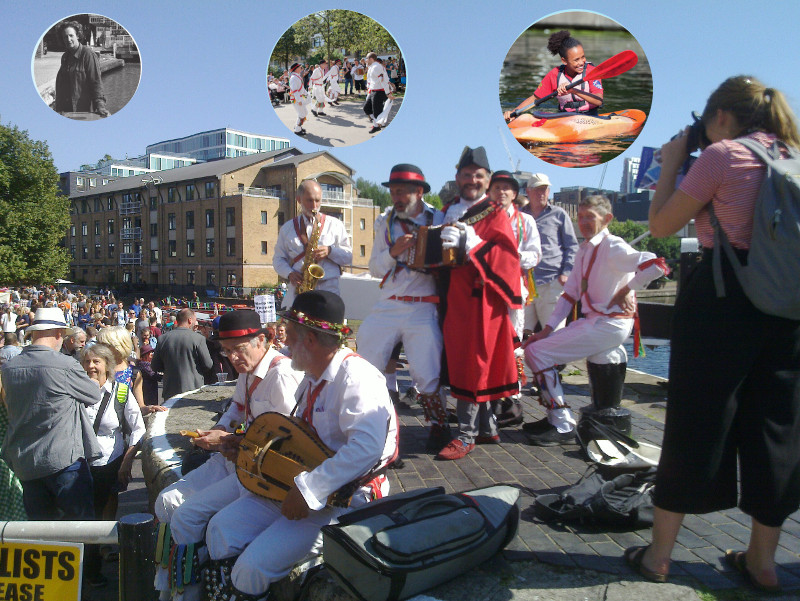
The Angel Canal Festival 2023 will take place on Sunday 3rd September around City Road Basin in Islington.
rnrn
City Road Basin can be accessed from City Road (near the Texaco garage), and from Noel Road, Vincent Terrace and Graham Street.
rnrn
The fun starts at 11am and the festival closes at 4pm. There’ll be music, food, boat trips and stalls. Come and join us!
rnrn
For more information please email angelfestival@stpancrascc.co.uk
rnrn
The Angel Canal Festival is organised by a small team of individuals and supported by the Canal and River Trust, Islington Council and St Pancras Cruising Club.
rn
To view an entry please click on the thumbnail, which will open the photograph in a new window.
rnAll photographs are the copyright of their respective owners. Please do not download or copy any photograph without the owner’s permission.
rnrn
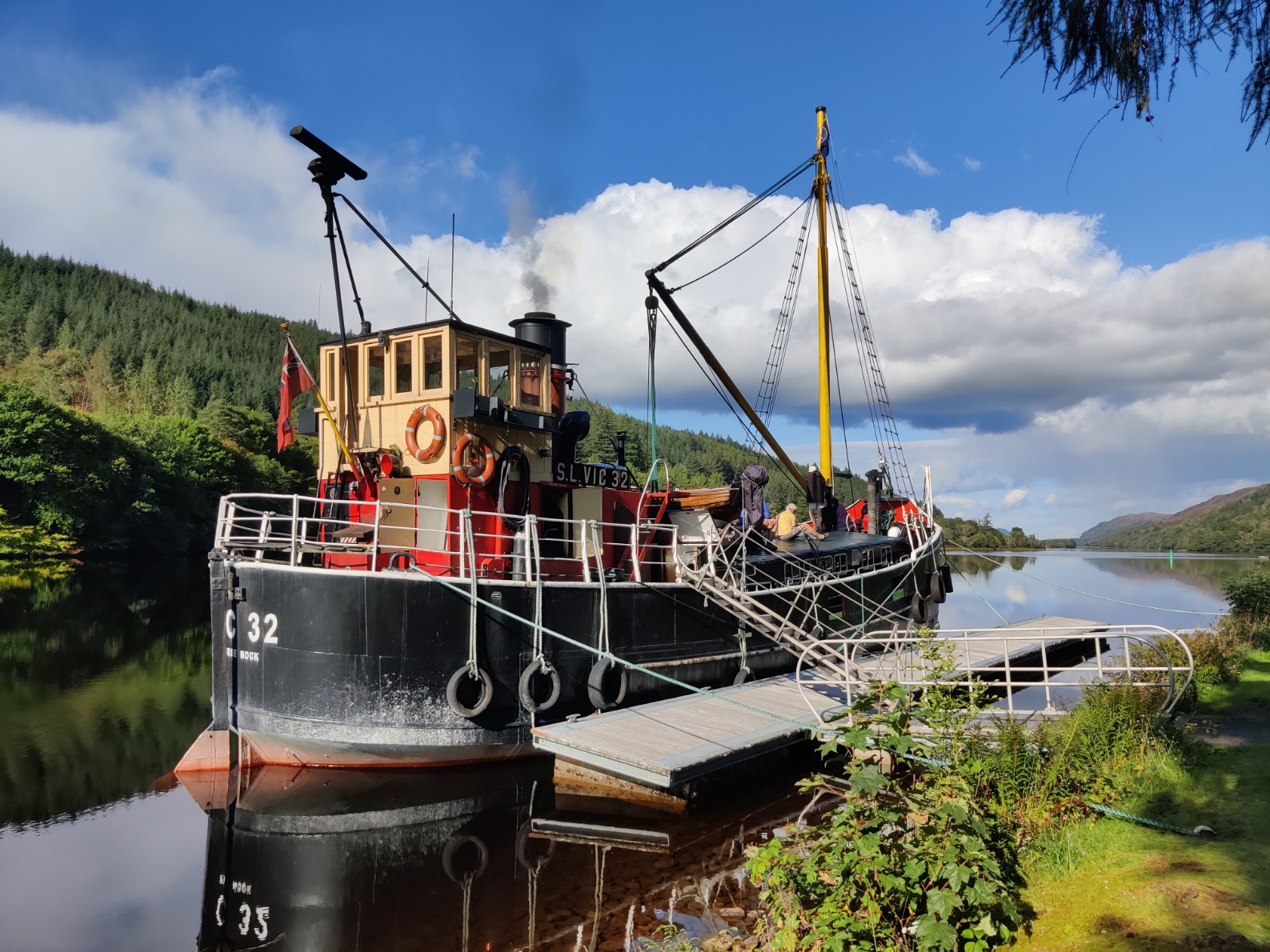
rnPhoto 1: Caledonian lunchbreak – Andy Clarke
rnrn
rnrn
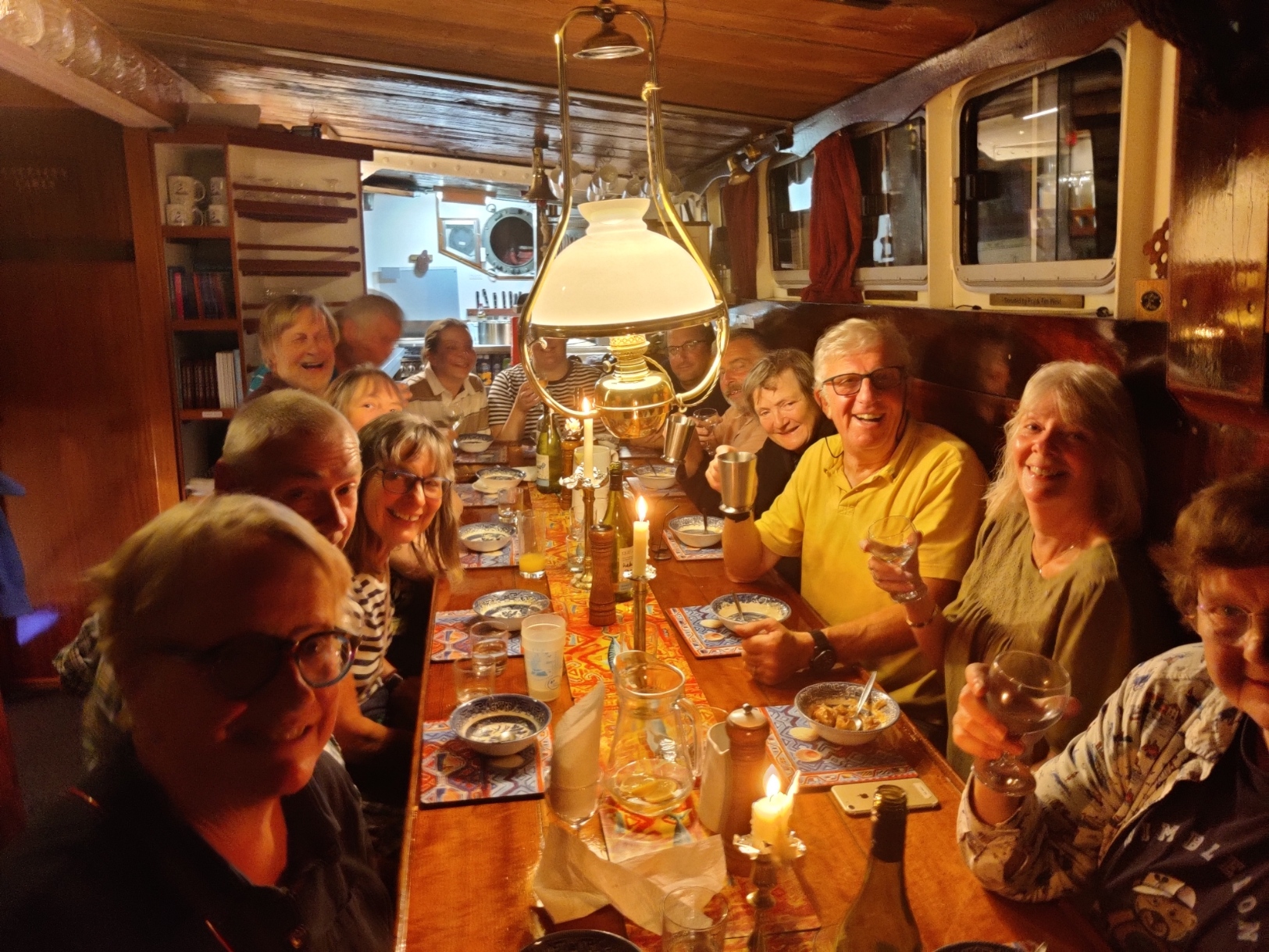
Photo 2: Dining on the Puffer – Andy Clarke
rnrn
rnrn
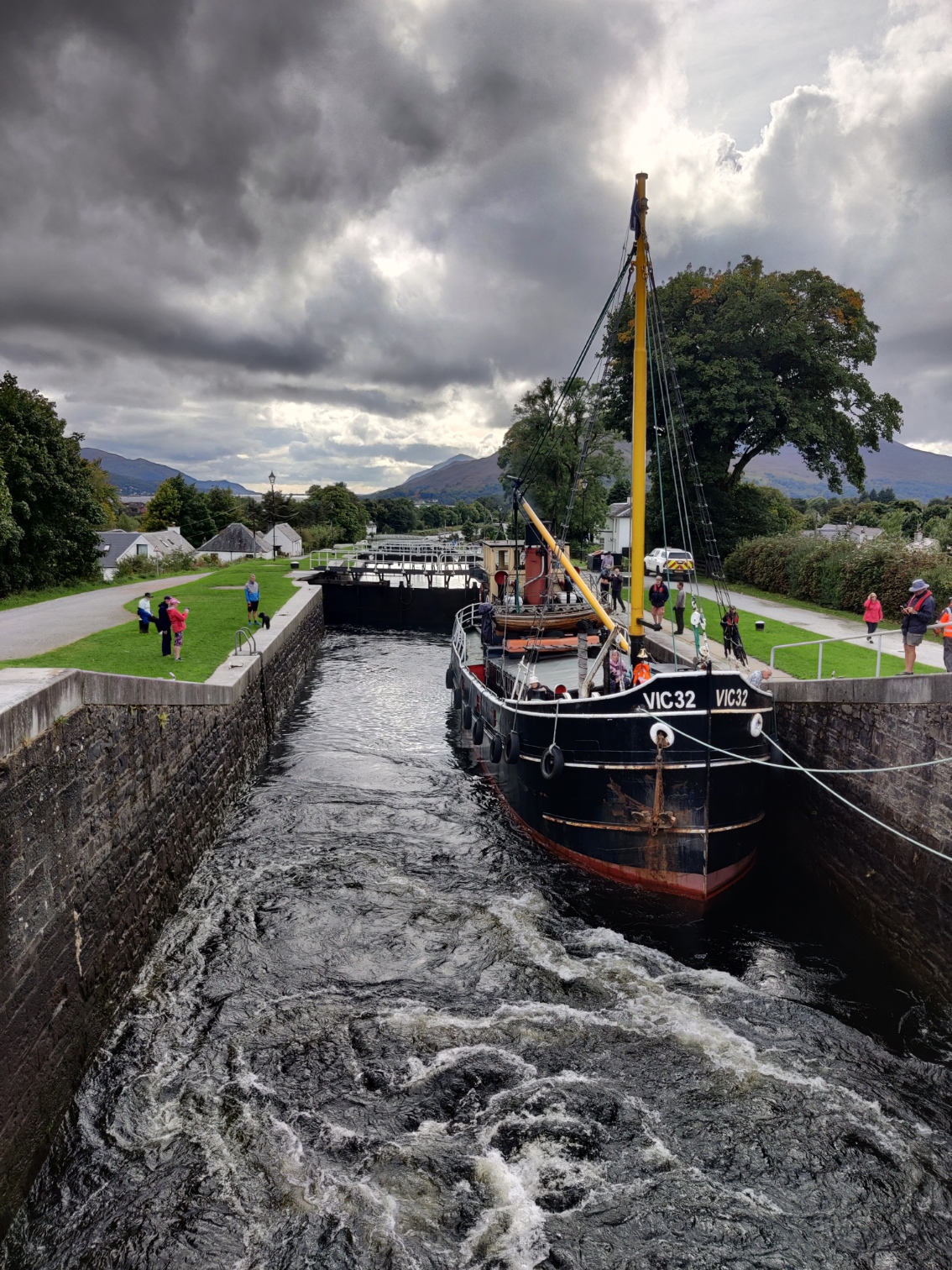
Photo 3: Neptunes staircase – Andy Clarke RUNNER UP
rnrn
rnrn
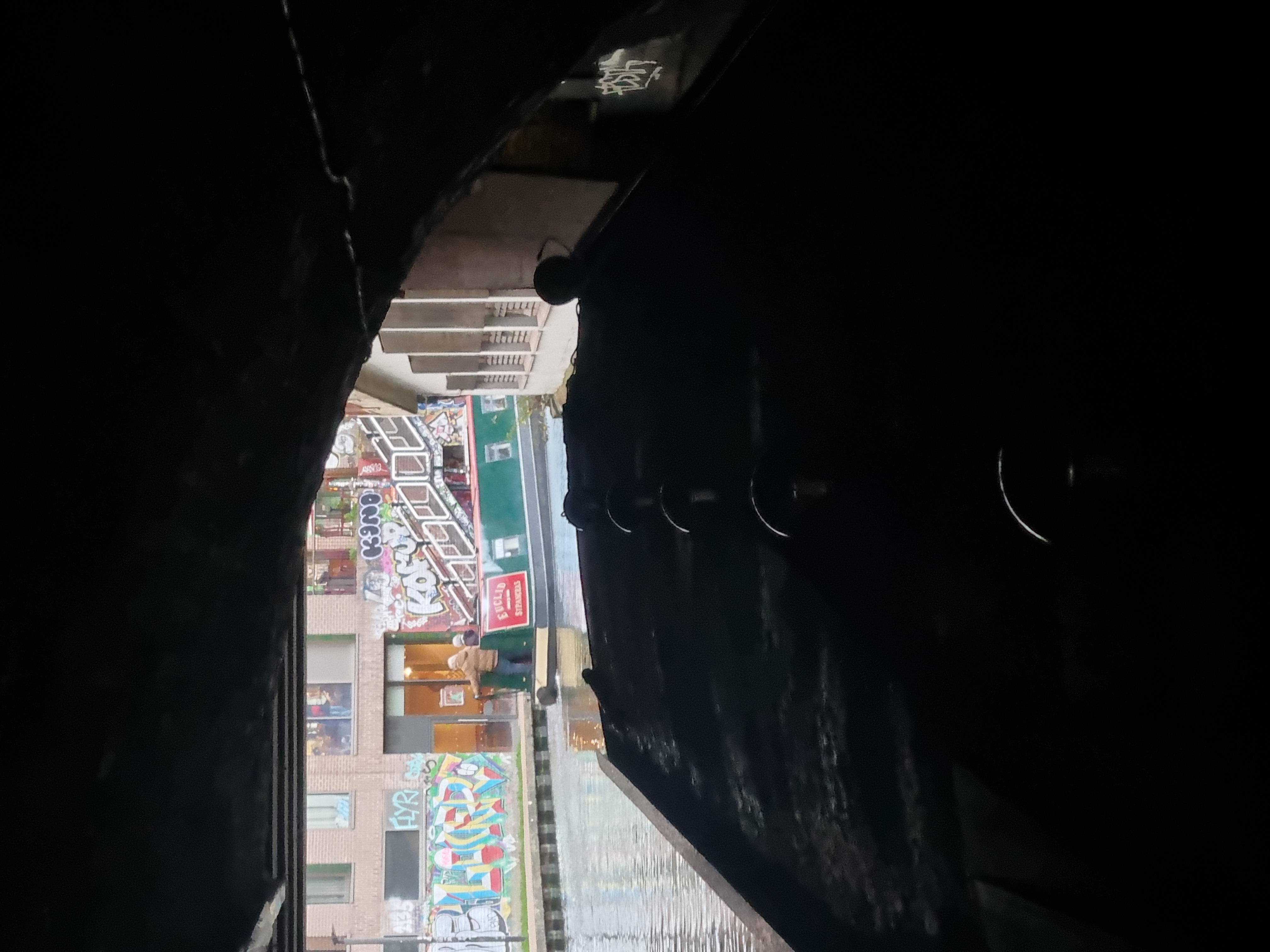
Photo 4: Returning from New Years Eve cruise – Bob Hazell
rnrn
rnrn
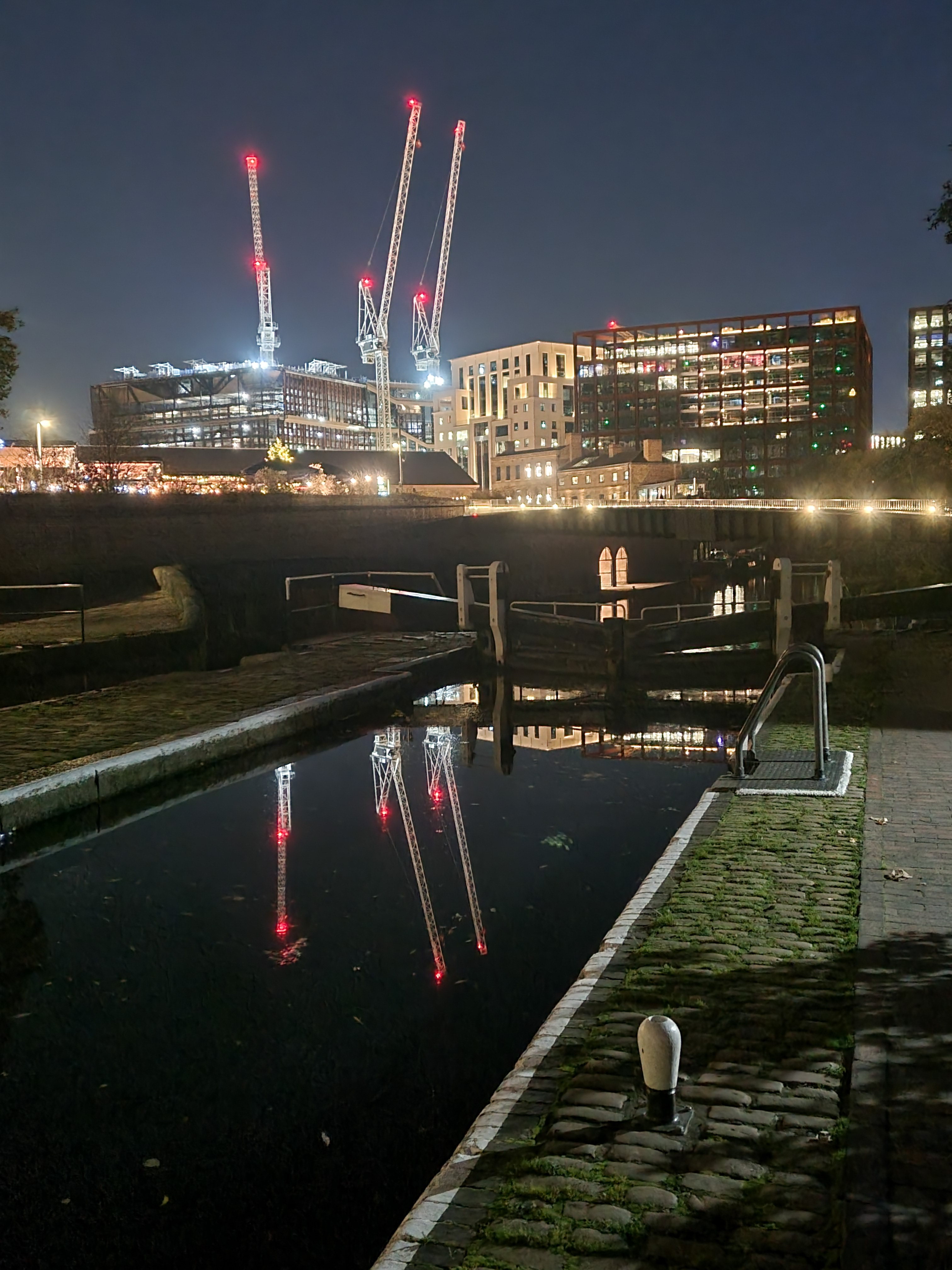
Photo 5: St Pancras Lock – Bob Hazell
rnrn
rnrn
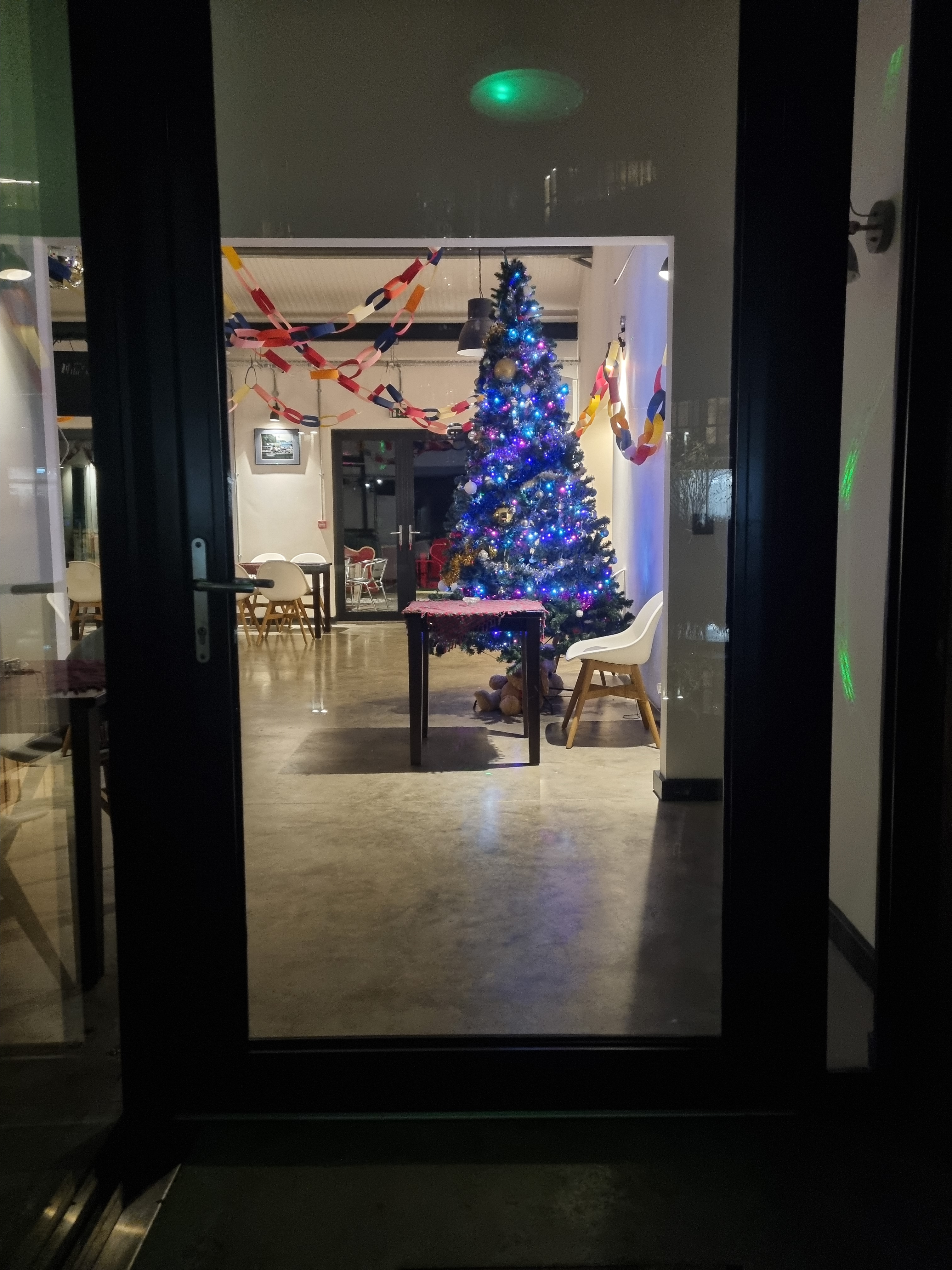
Photo 6: First Christmas for the new club house – Bob Hazell
rnrn
rnrn
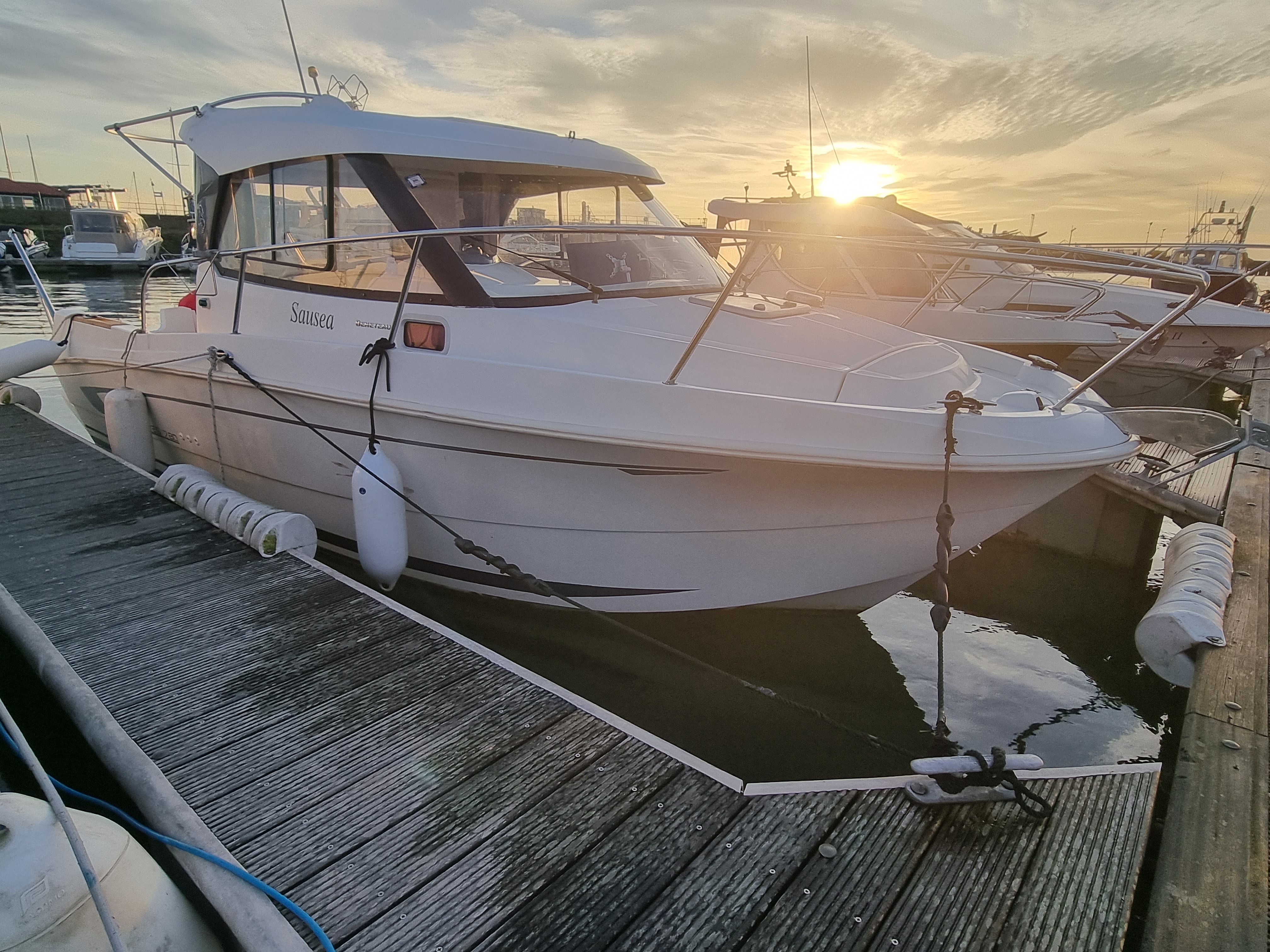
Photo 7: Sunset over Sausea at Essex Marina – Bob Hazell
rnrn
rnrn
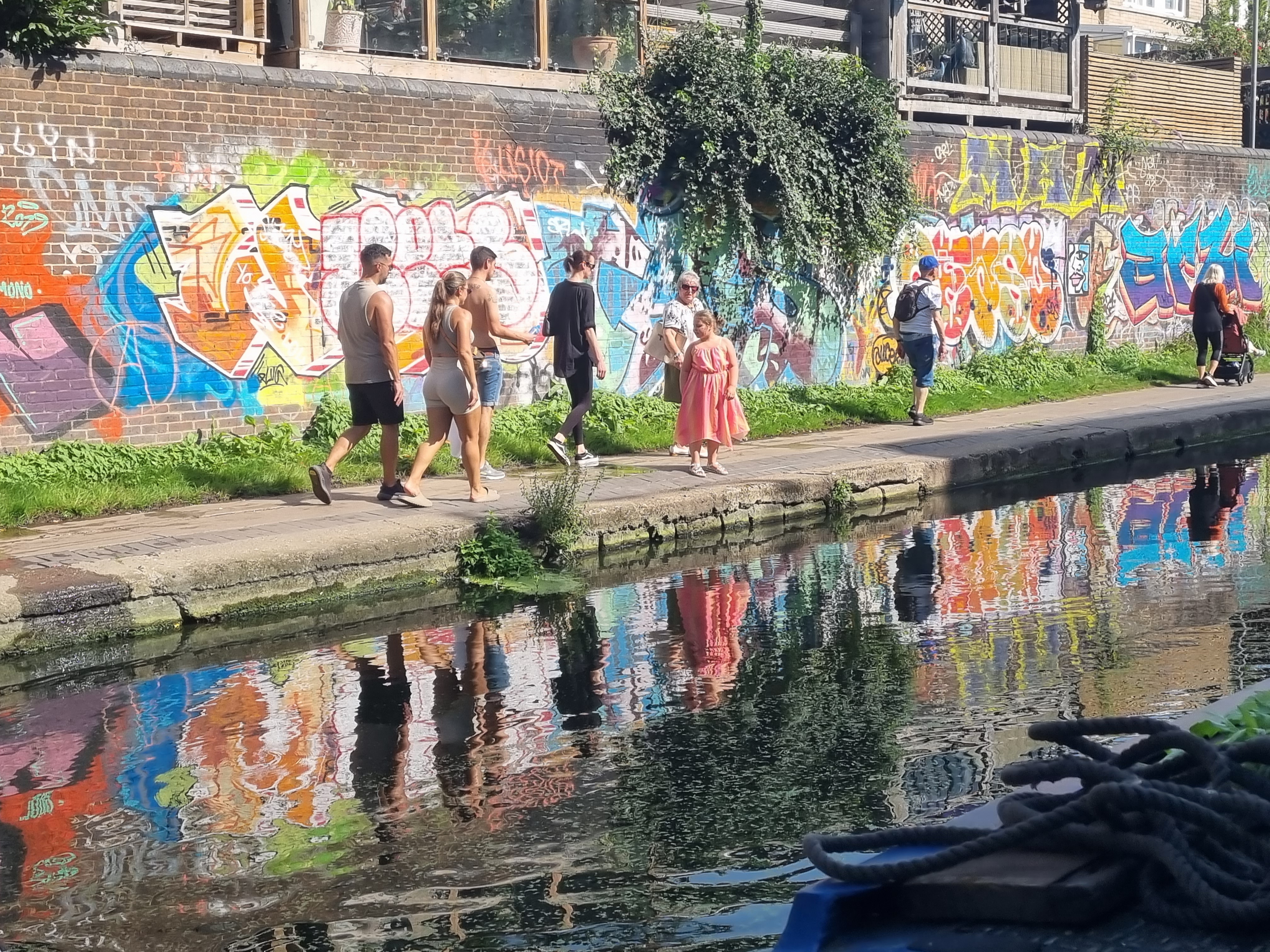
Photo 8: Colour on the cut – Bob Hazell
rnrn
rnrn
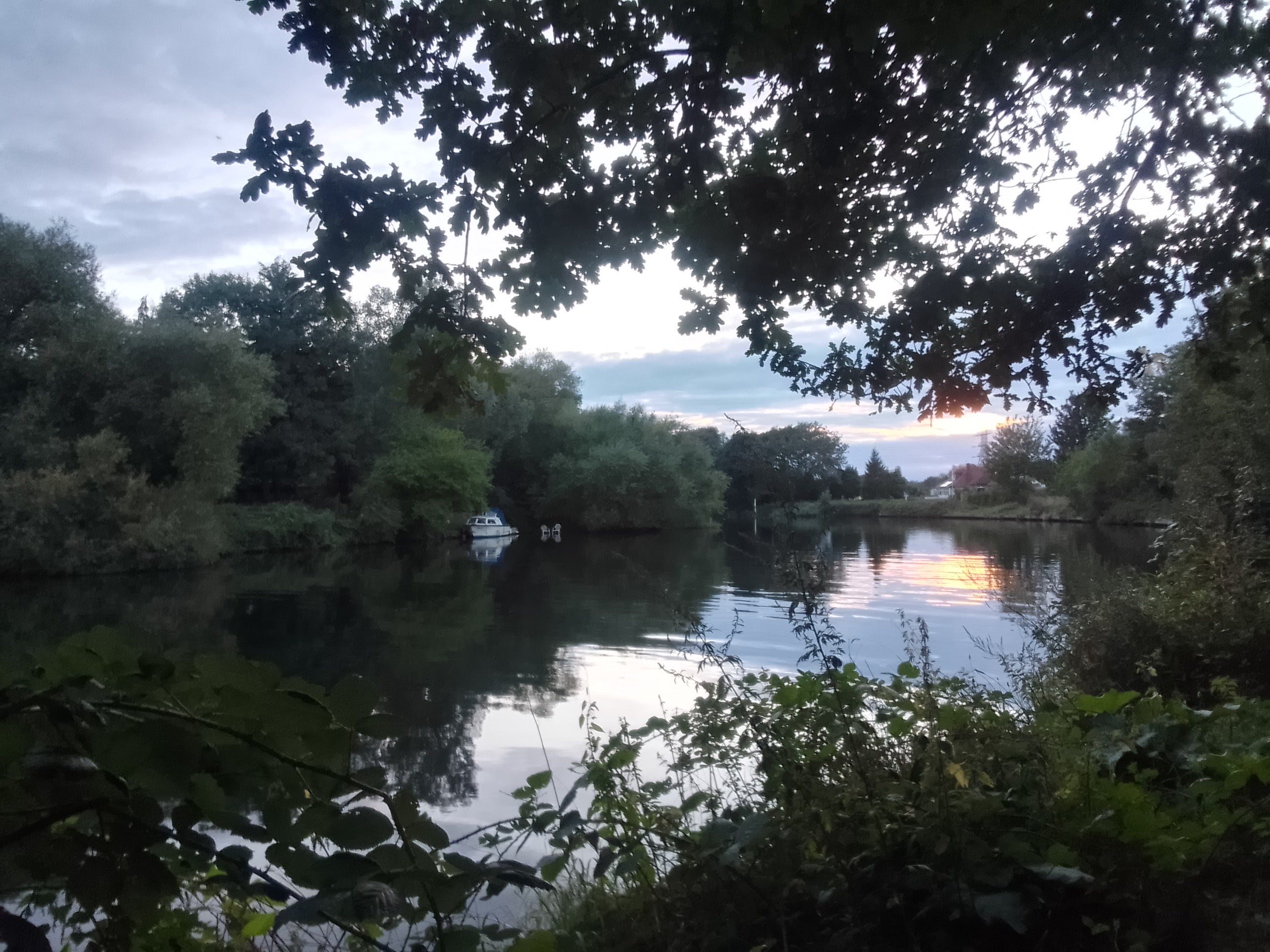
Photo 9: A photo from the Thames in august – Claire Manson
rnrn
rnrn
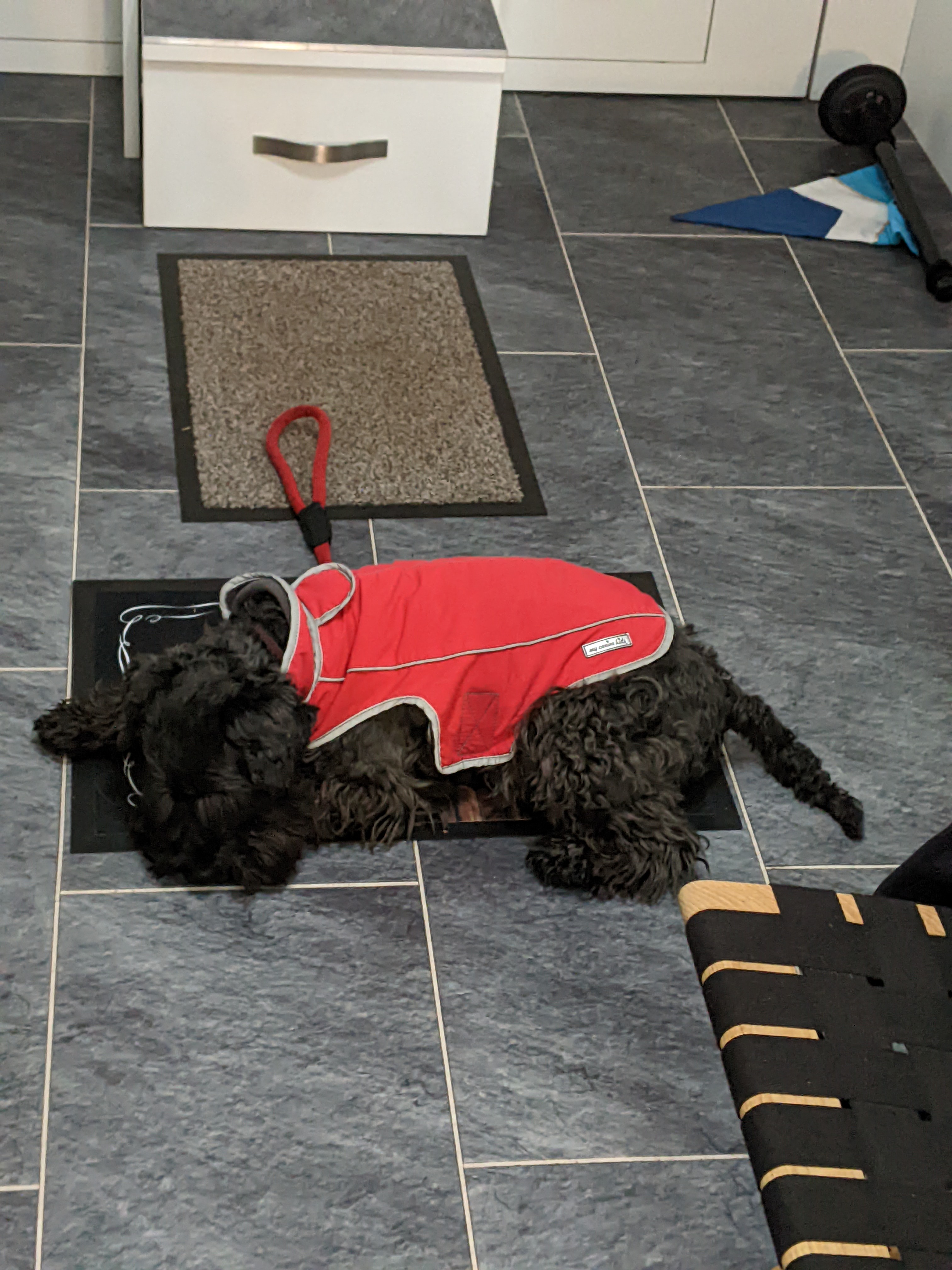
Photo 10: Dec 2023 crew taking a rest – Icicle Cruise – David Leppard
rnrn
rnrn
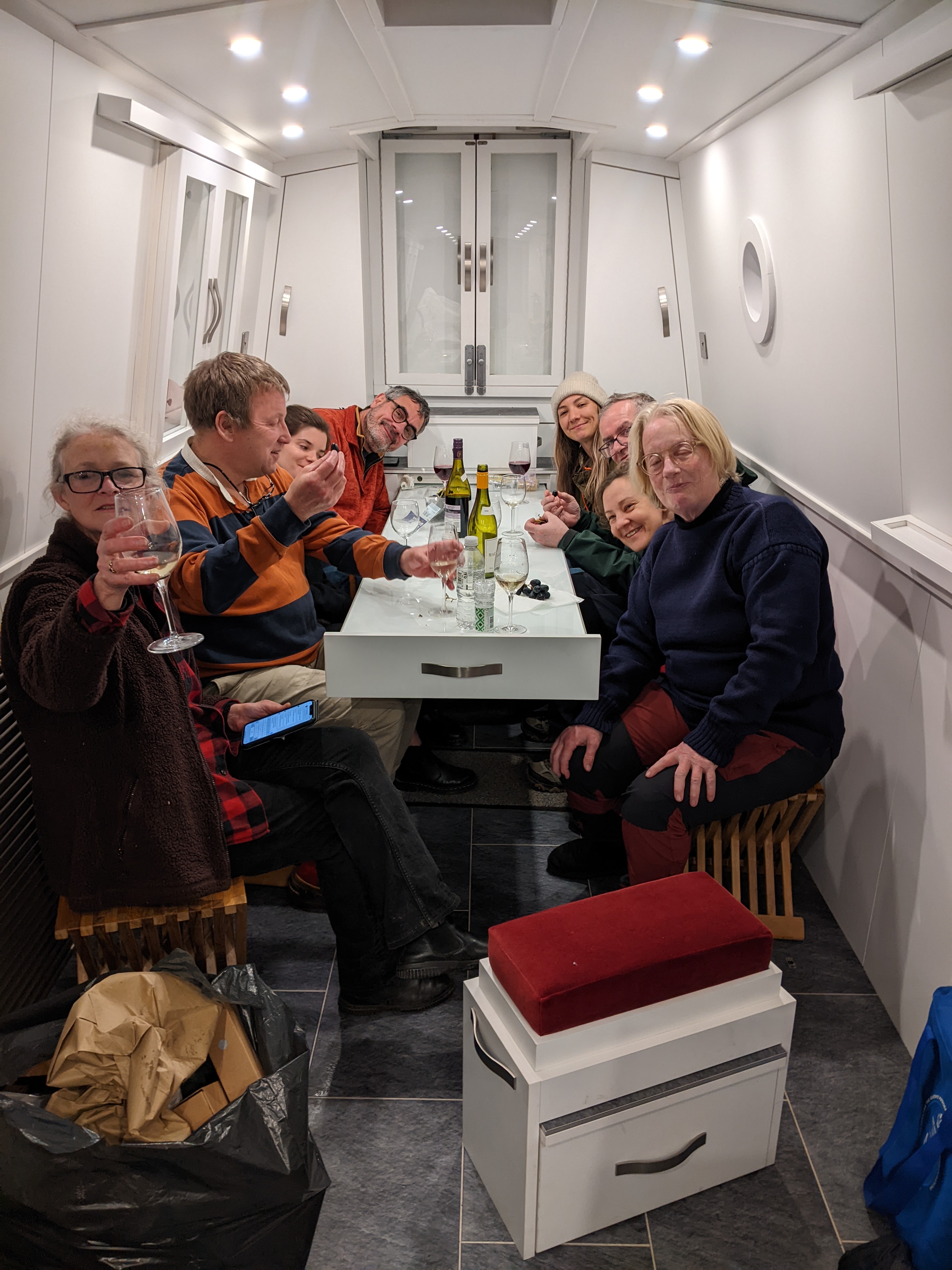
Photo 11: Feb 2023 Willowtree Cruise. Now that’s what I call a party – David Leppard
rnrn
rnrn
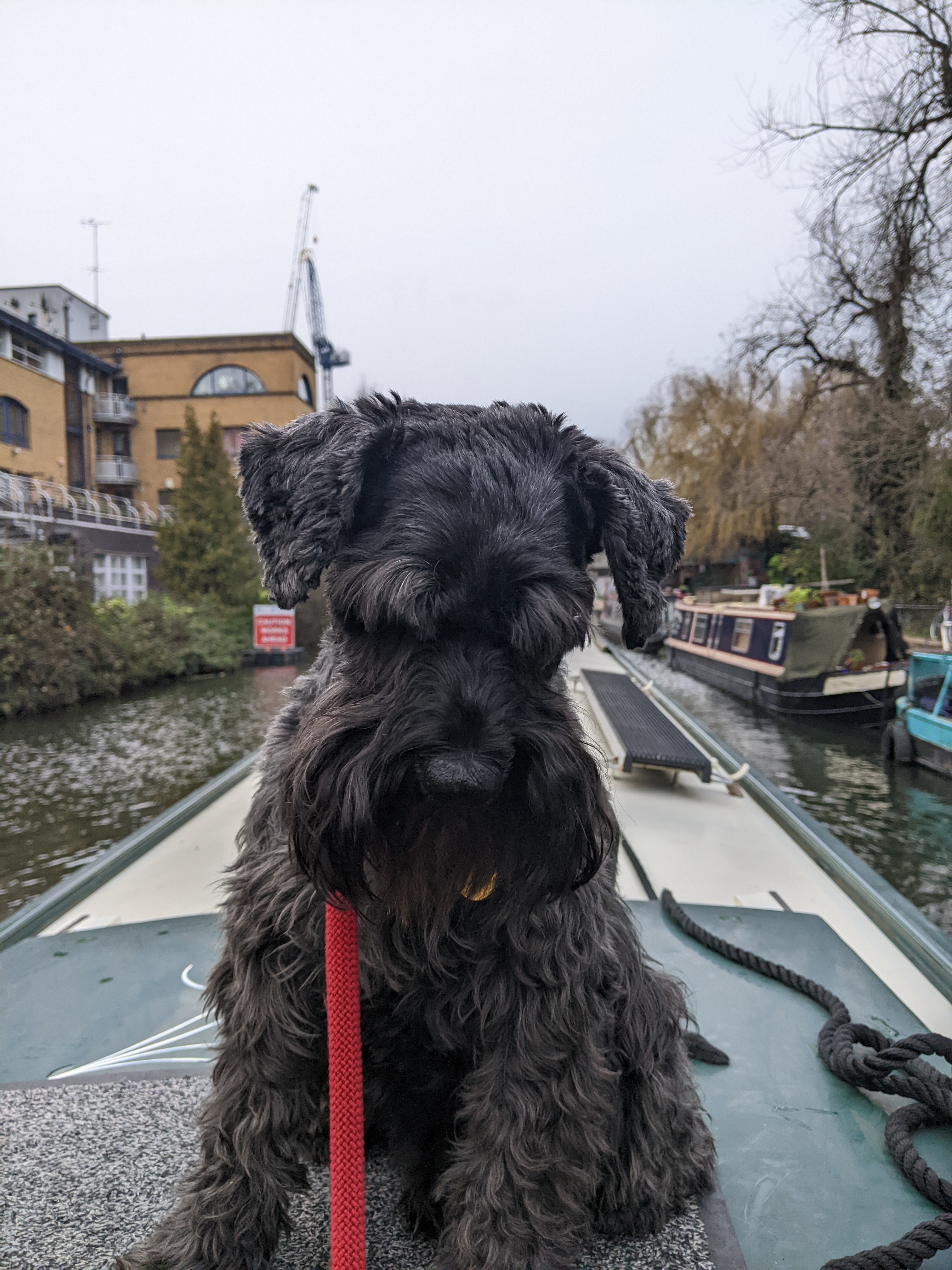
Photo 12: Jan 1st 2023 crewing for Little Layla on the Icicle cruise – David Leppard
rnrn
rnrn
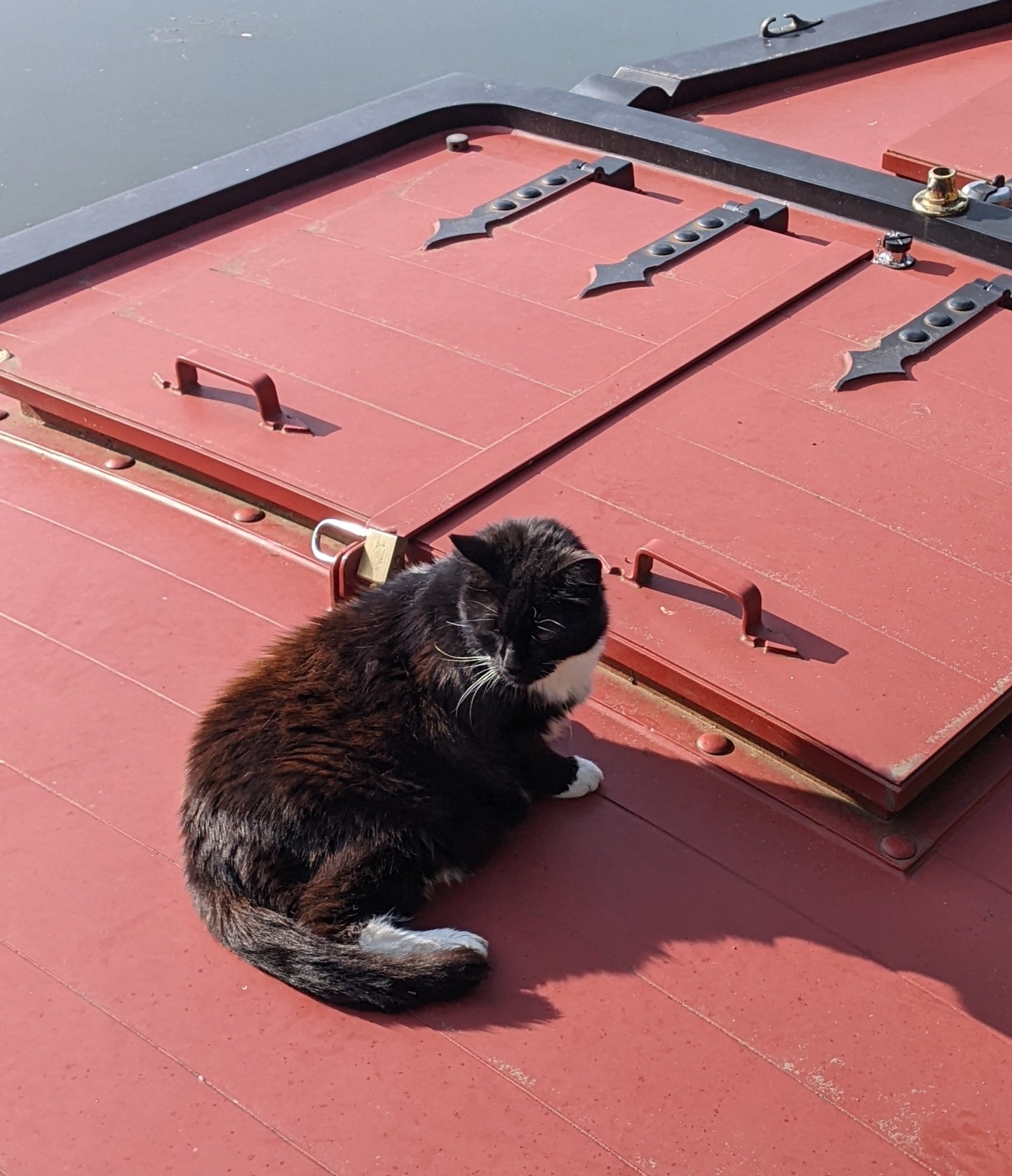
Photo 13: June 2023 Stowaway for the Tideway Cruise – David Leppard
rnrn
rnrn
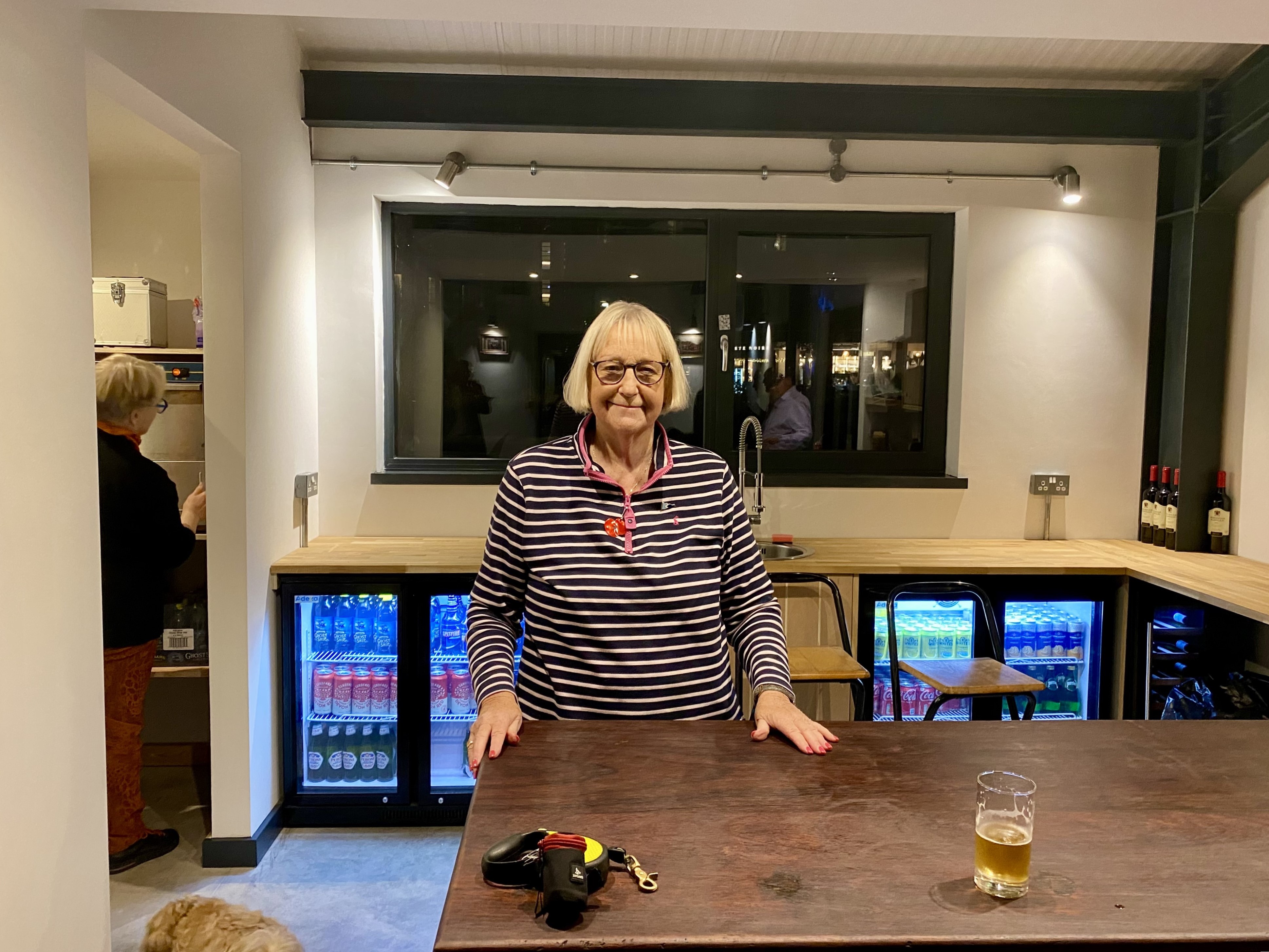
Photo 14: Bar opens! – Frances Phasey
rnrn
rnrn
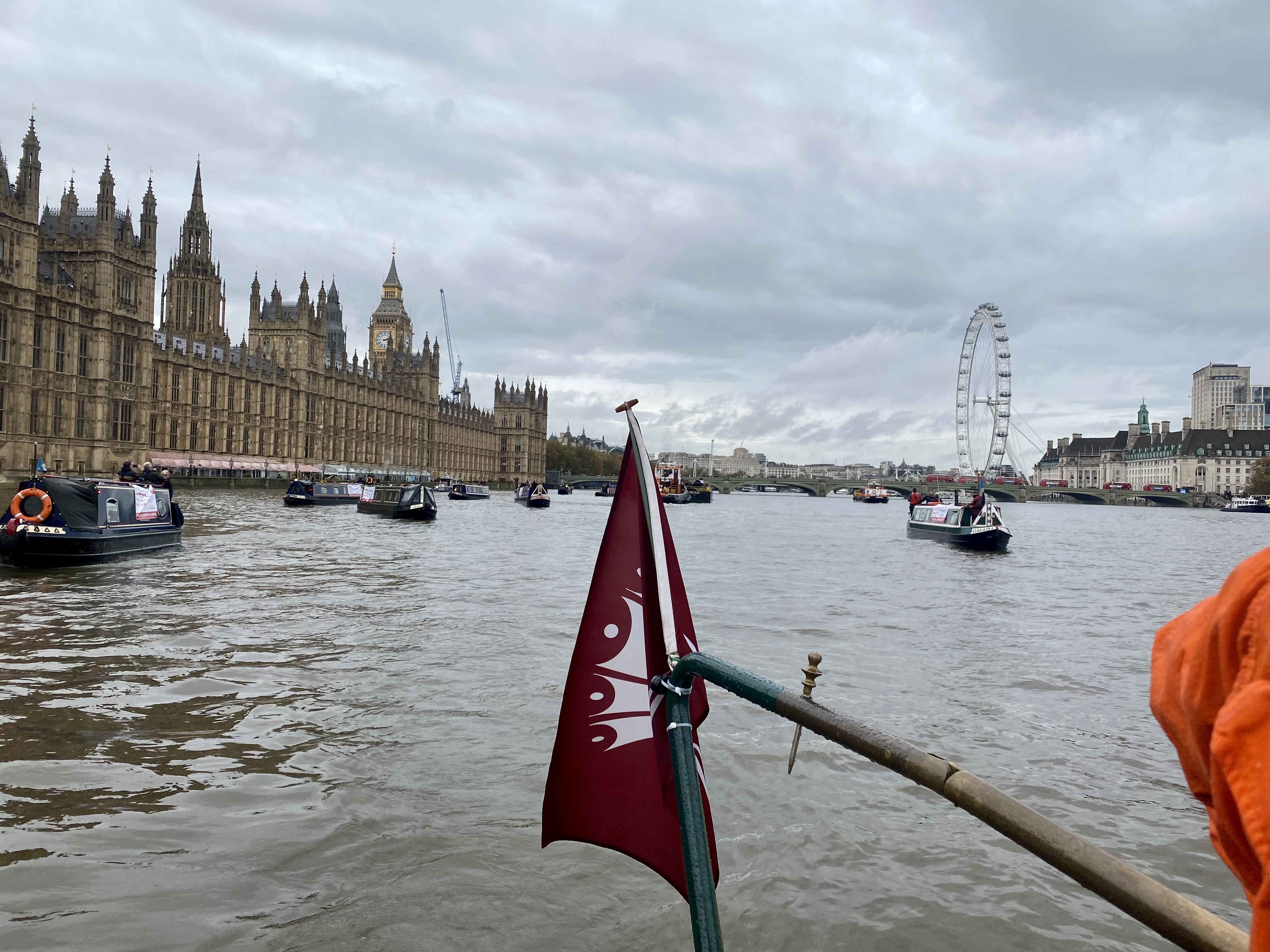
Photo 15: Campaign in the rain – Frances Phasey
rnrn
rnrn
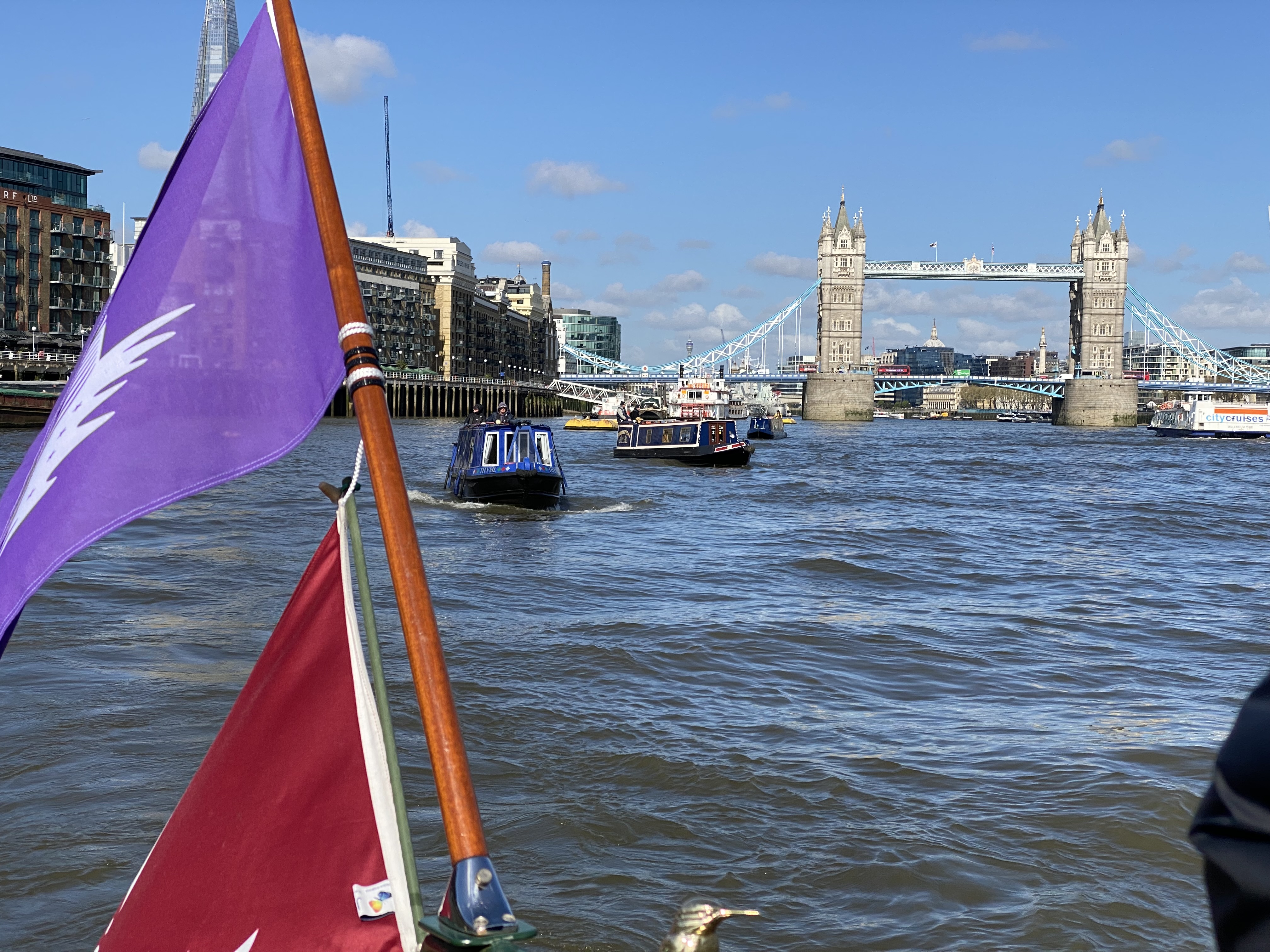
Photo 16: Convoy discipline – Frances Phasey
rnrn
rnrn
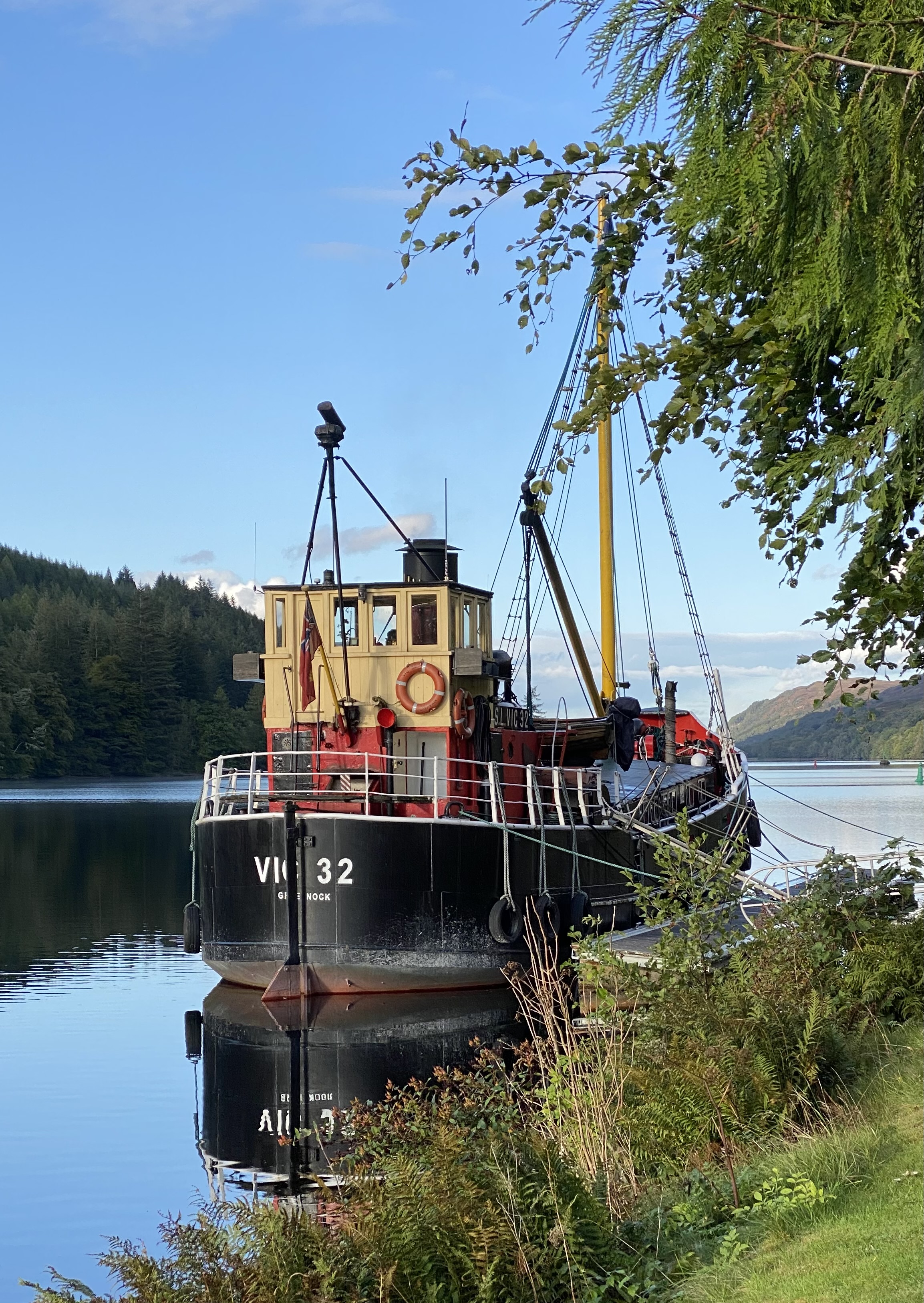
Photo 17: Moored puffer – Frances Phasey RUNNER UP
rnrn
rnrn
Photo 18: Puffer monkeys – Frances Phasey
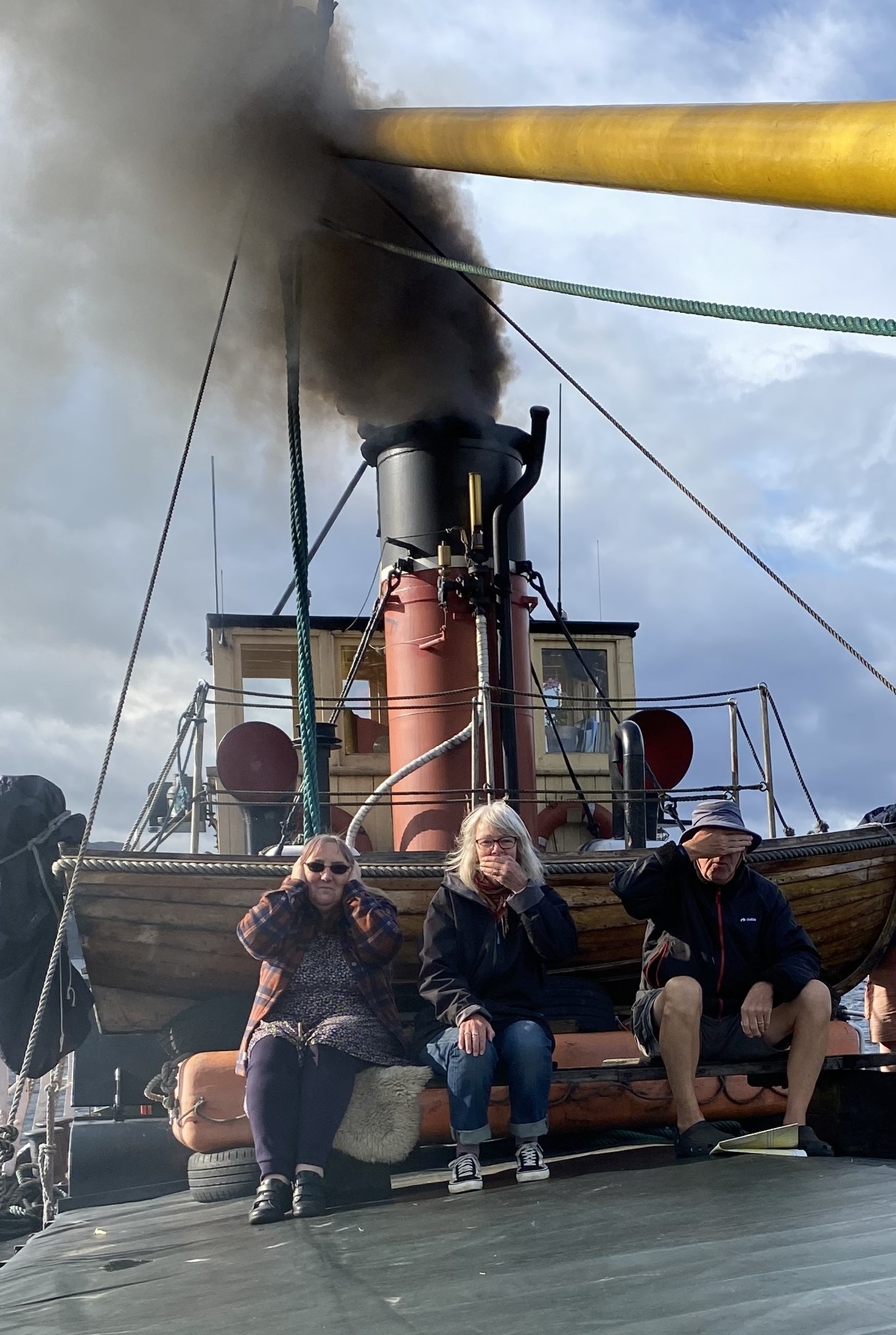
rnrn
rnrn
Photo 19: Crew – Graeme Field
rnrn
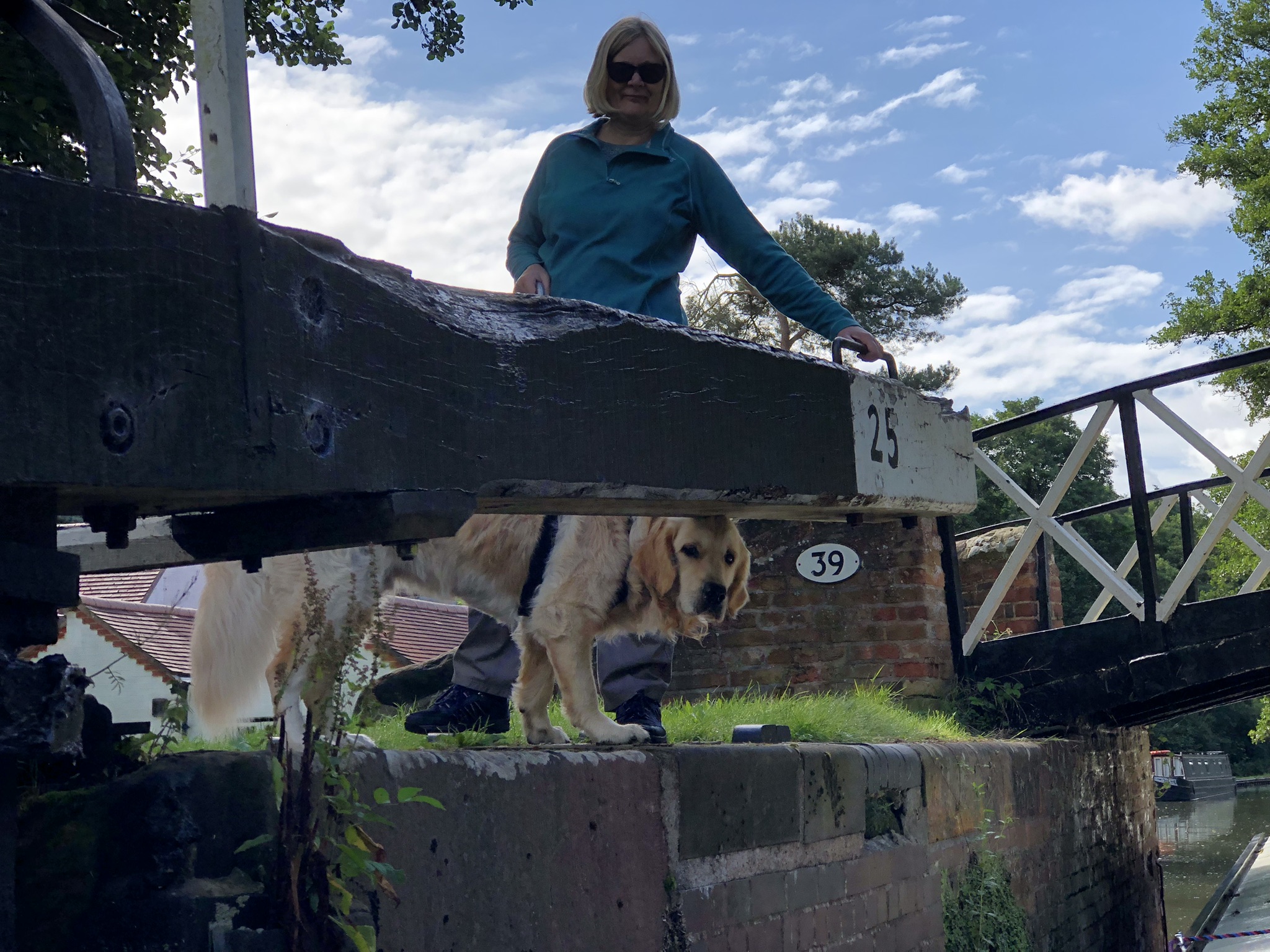
rnrn
Photo 20: Lock – Graeme Field
rnrn
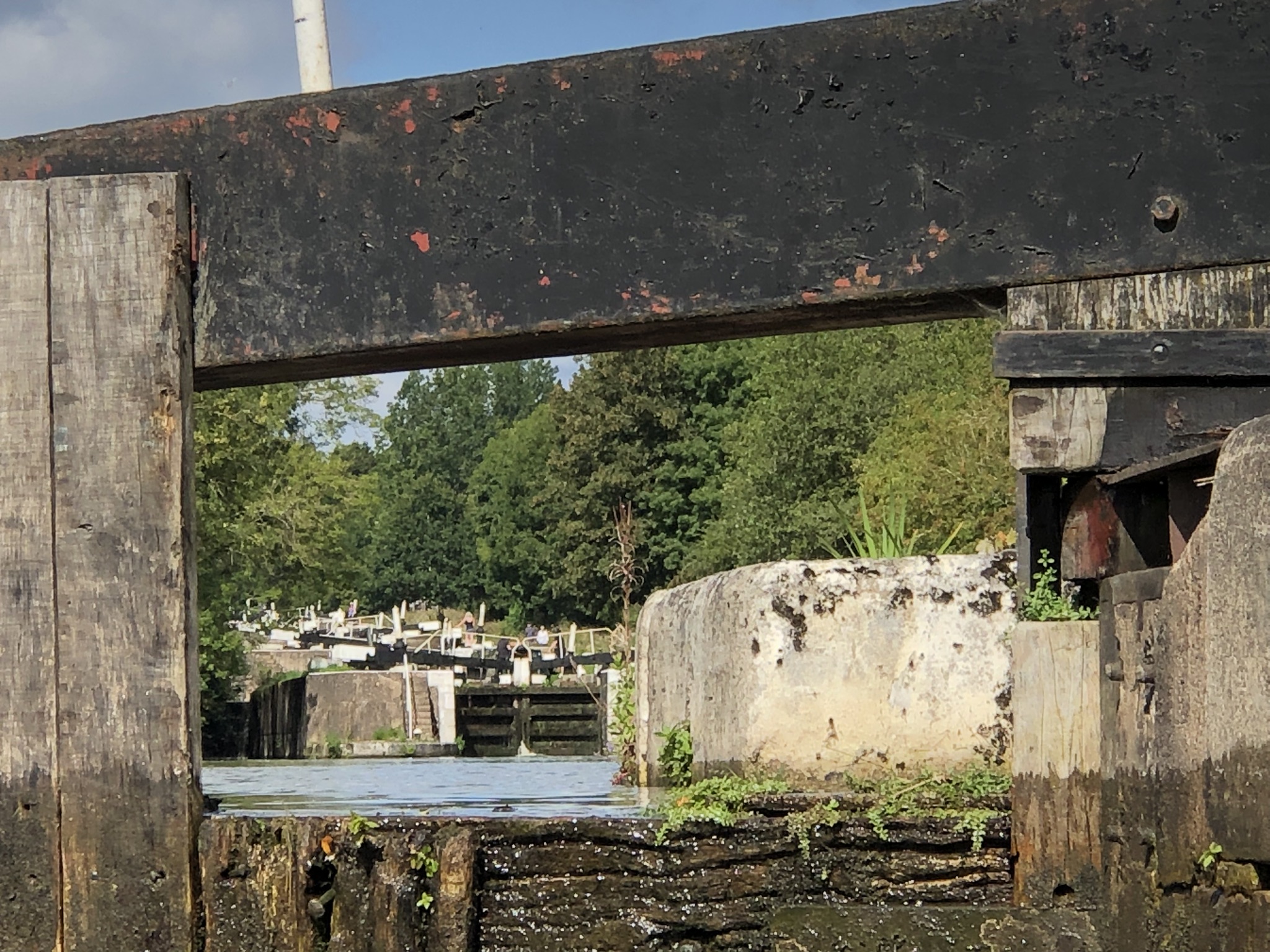
rnrn
Photo 21: River Severn – Graeme Field
rnrn
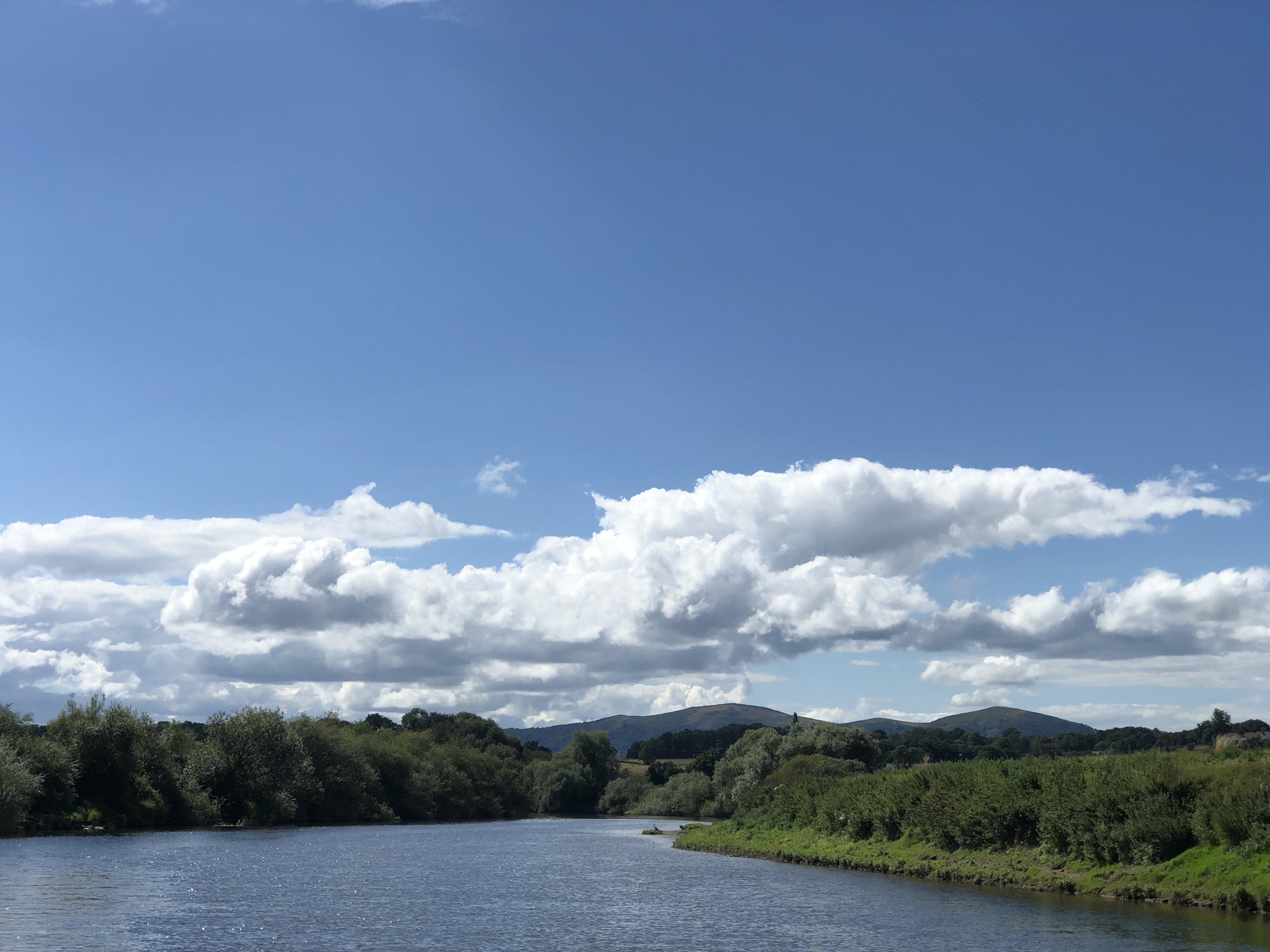
rnrn
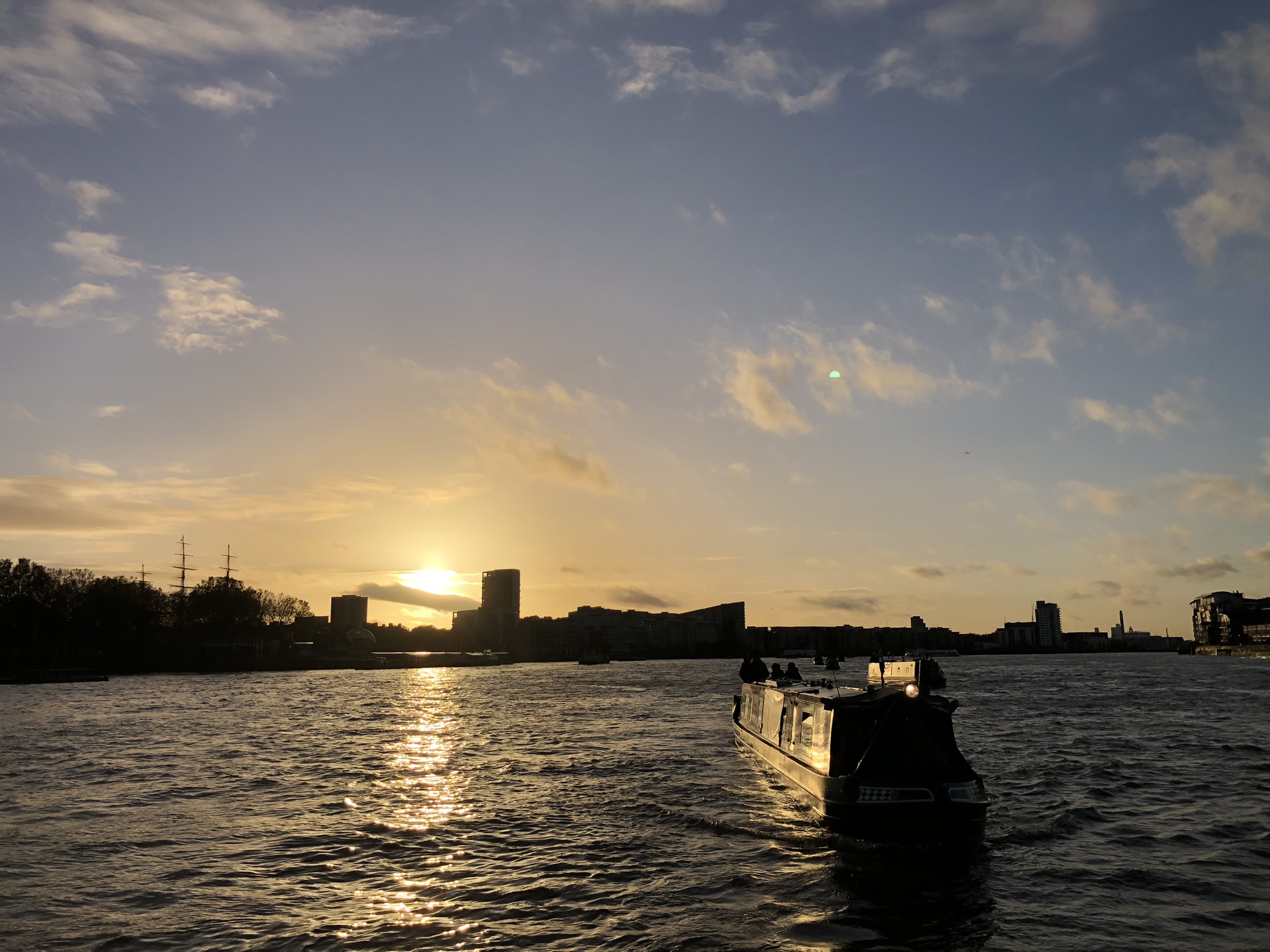
Photo 22: Sunset – Graeme Field
rnrn
rnrn
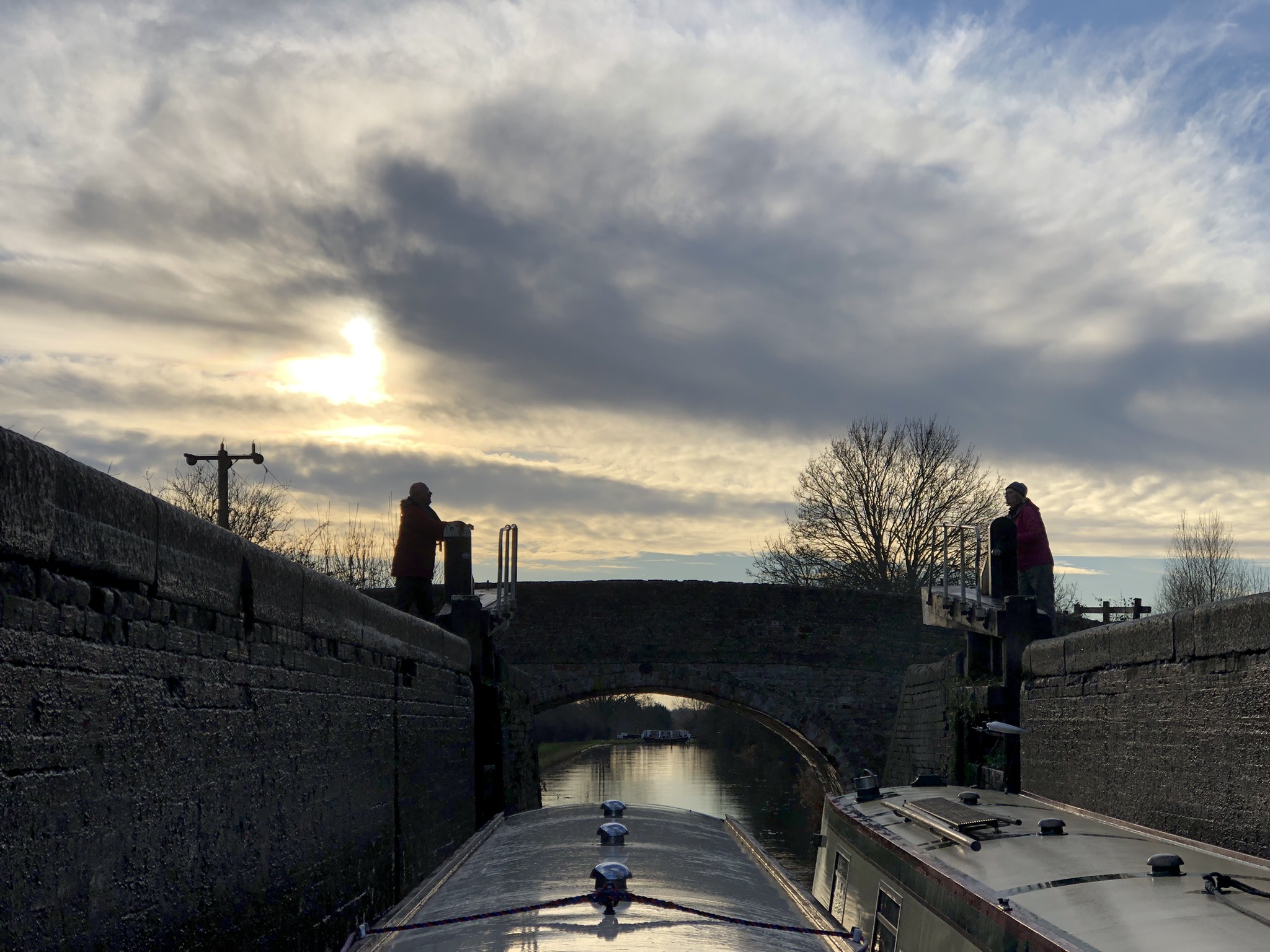
Photo 23: Winter – Graeme Field
rnrn
rnrn
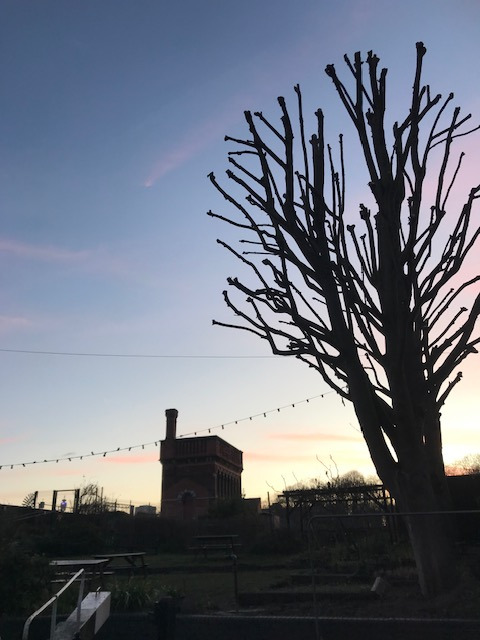
Photo 24: Evening at the Water Point – Julie Clark
rnrn
rnrn
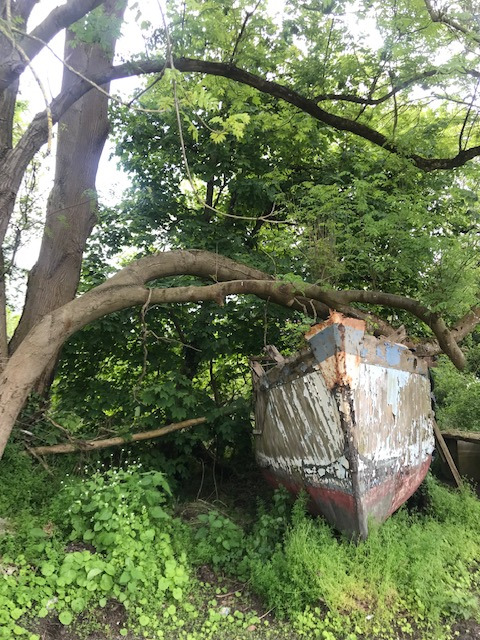
Photo 25: A quiet retirement – Julie Clark
rnrn
rnrn
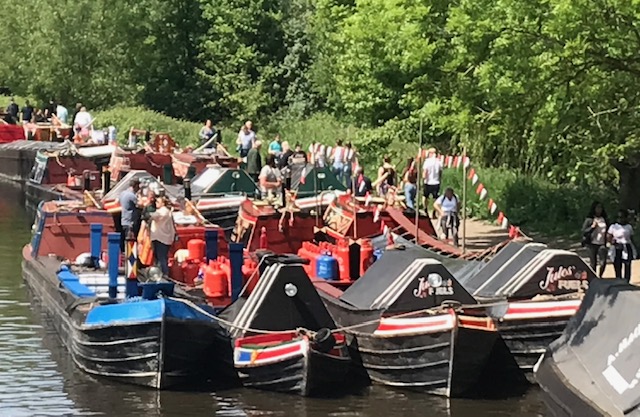
Photo 26: Working Boats at Batchworth – Julie Clark
rnrn
rnrn
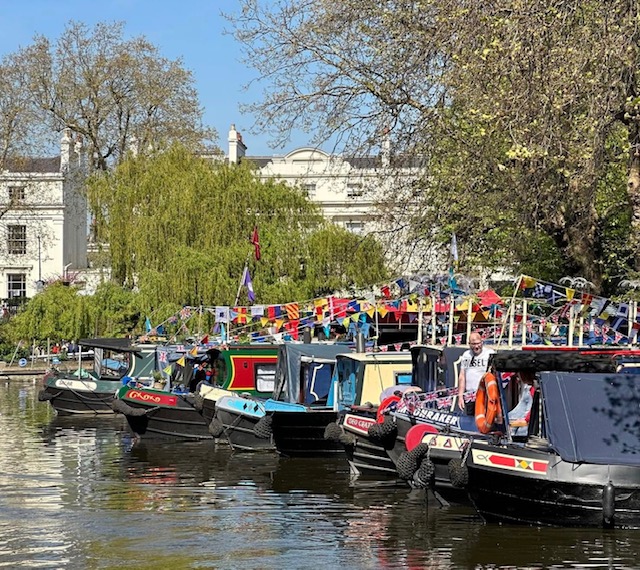
Photo 27: Cavalcade 2023 – Julie Clark
rnrn
rnrn
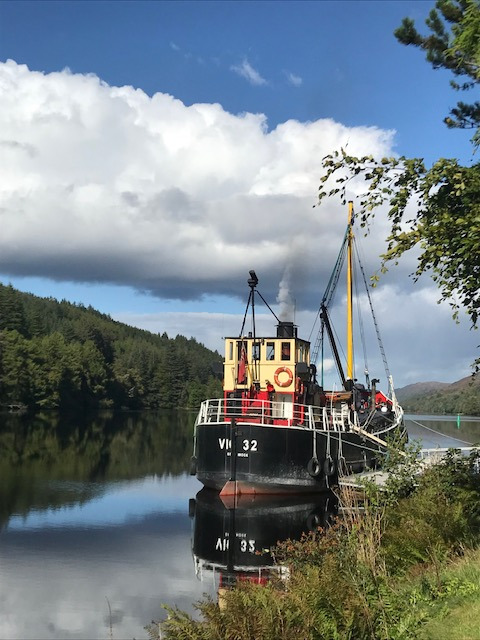
Photo 28: Ten club members go Puffing – Julie Clark
rnrn
rnrn
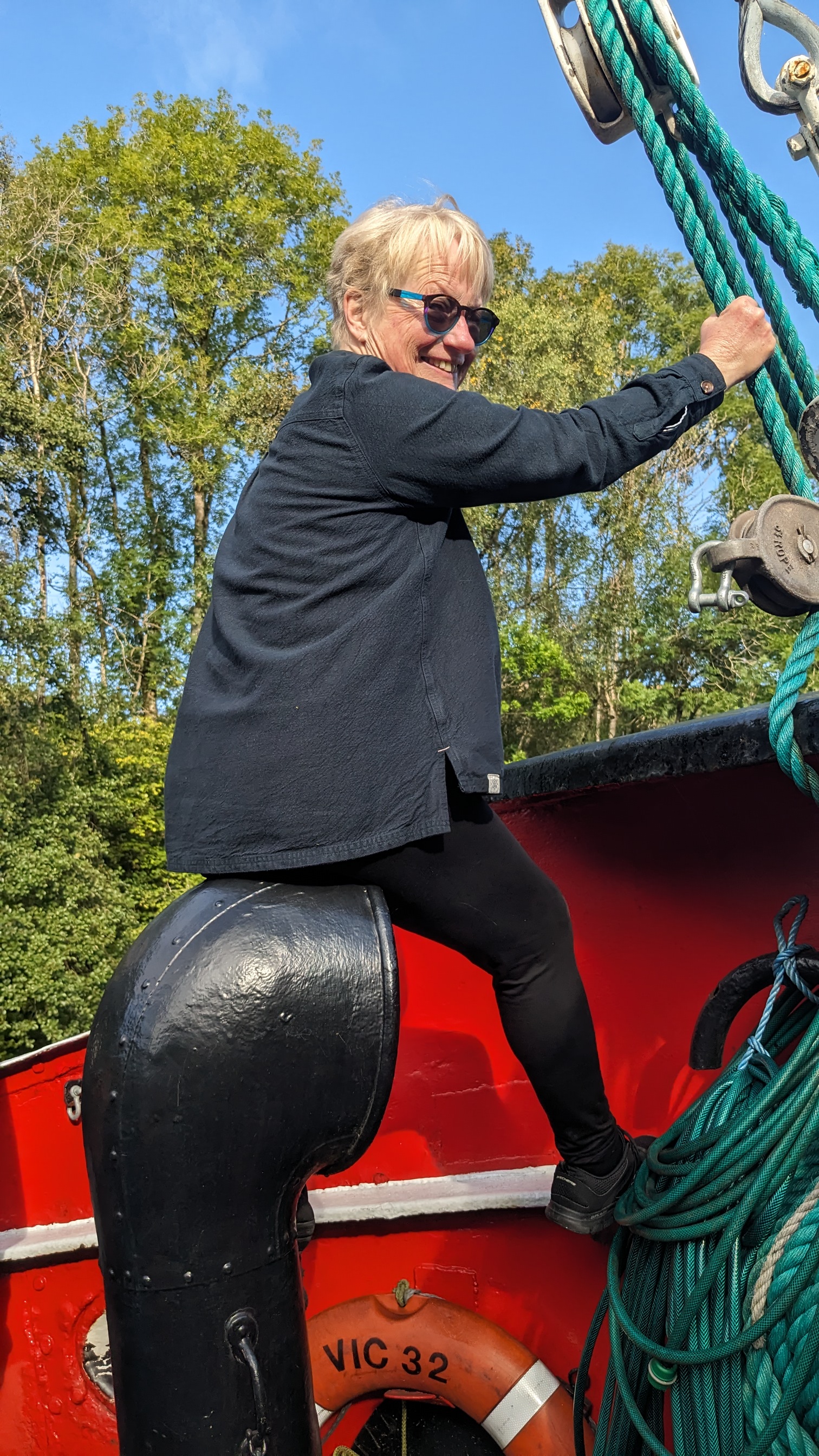
Photo 29: Commodore figurehead on VIC 32 – Libby Bradshaw
rnrn
rnrn
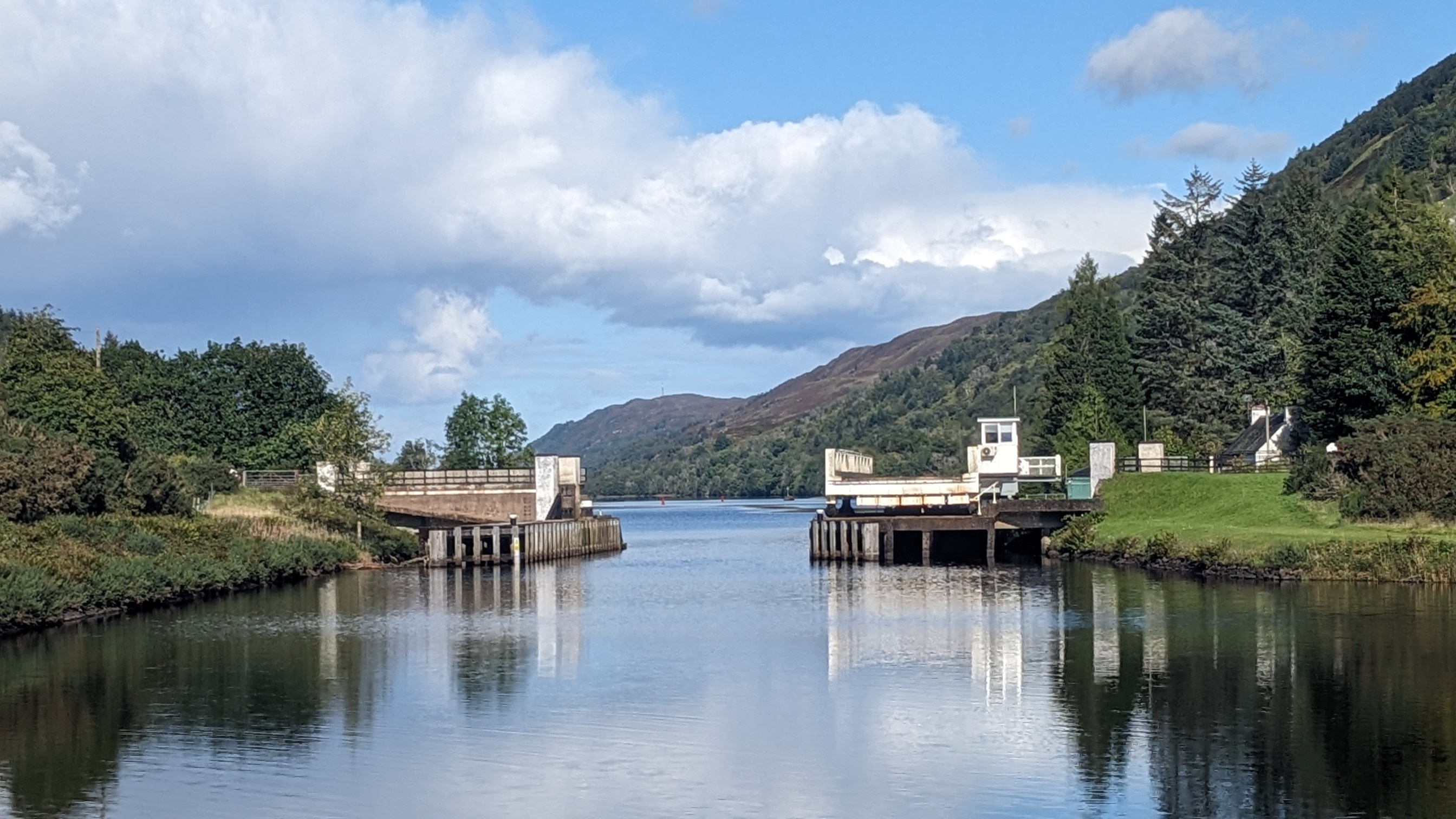
Photo 30: Gateway to Loch Oich – Libby Bradshaw
rnrn
rnrn
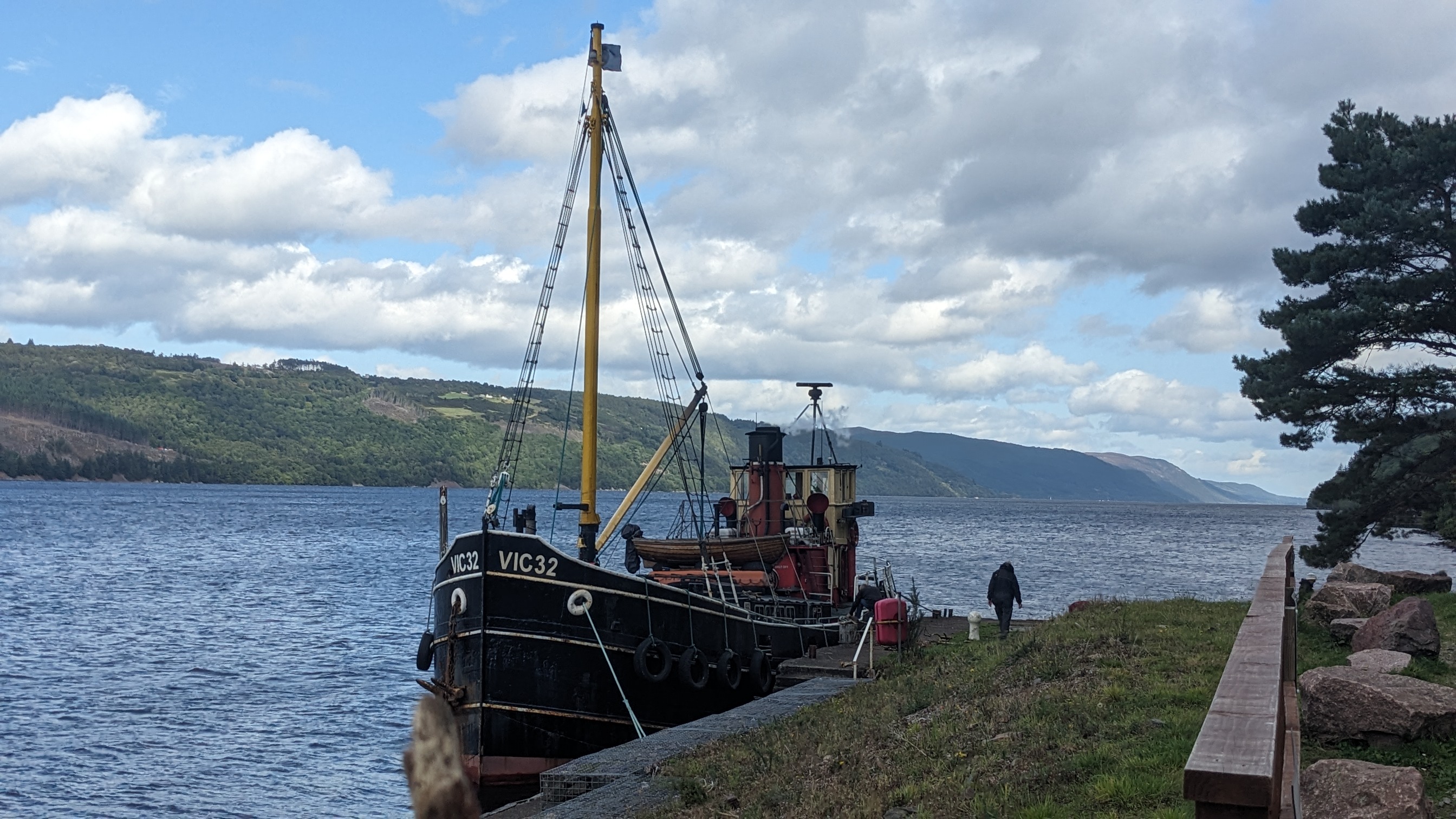
Photo 31: Mooring at Foyers Pier, Loch Ness – Libby Bradshaw
rnrn
rnrn
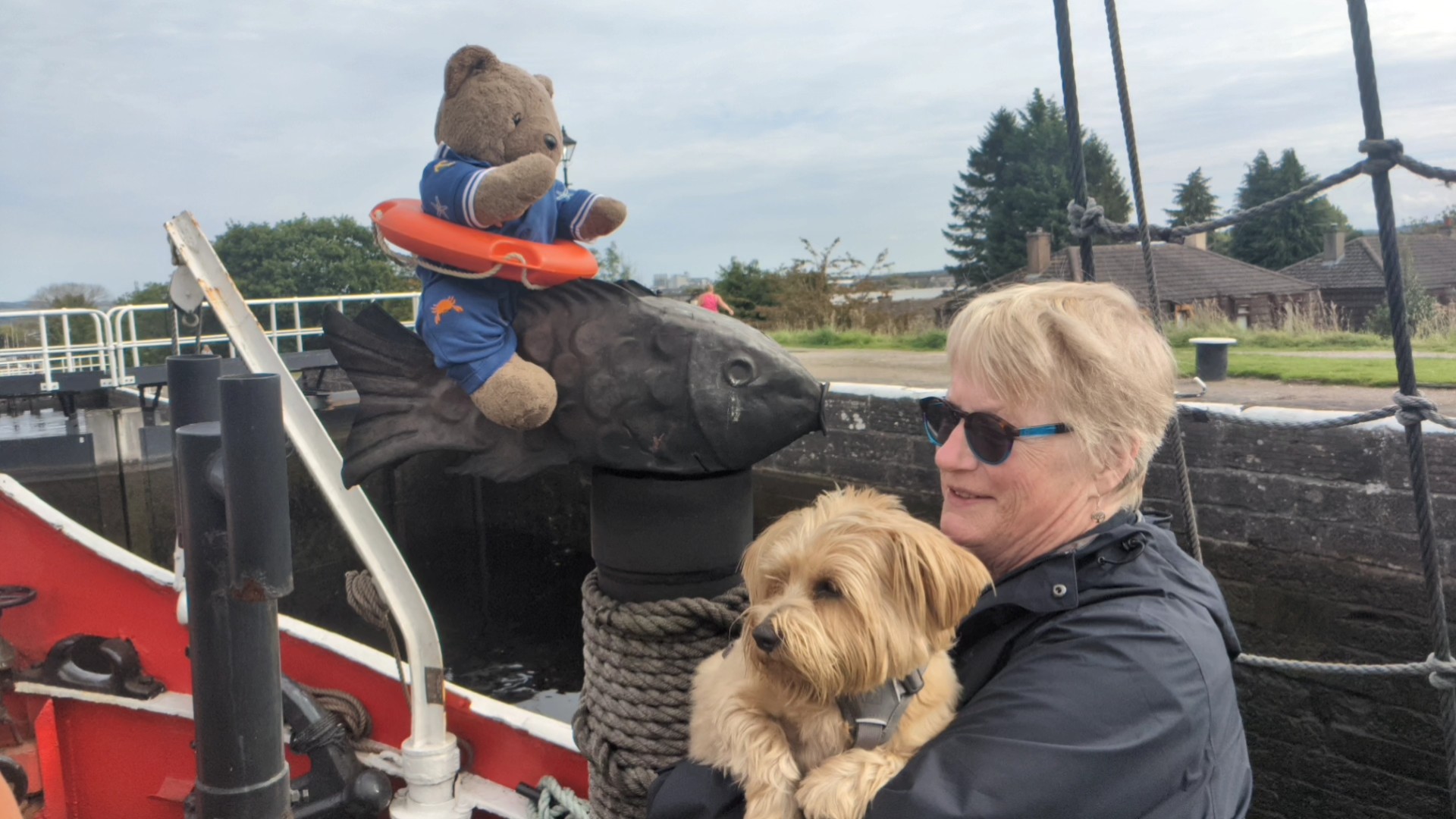
Photo 32: My cabin companions – Libby Bradshaw
rnrn
rnrn
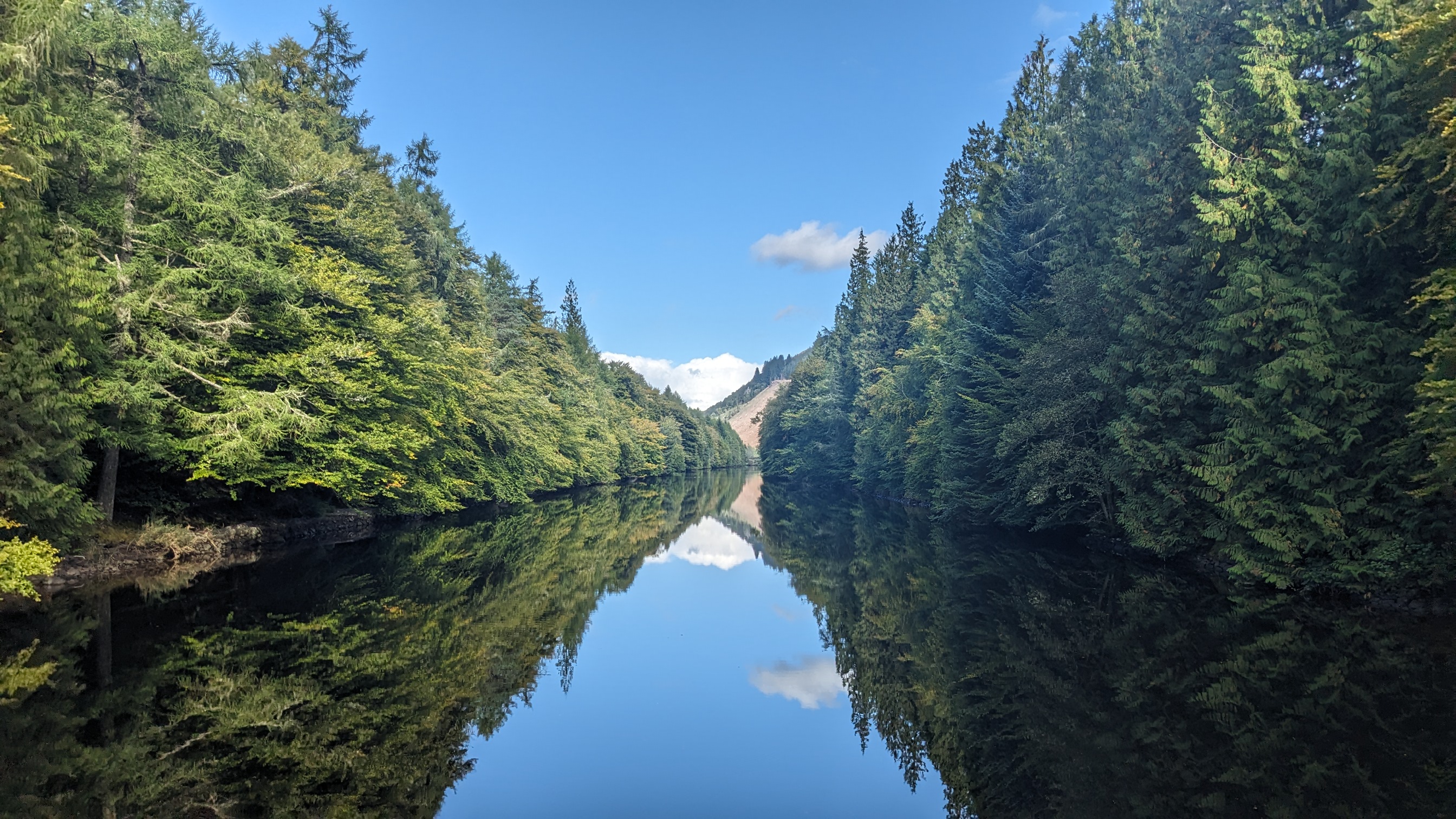
Photo 33: Which way up – Approaching Loch Oich – Libby Bradshaw
rnrn
rnrn
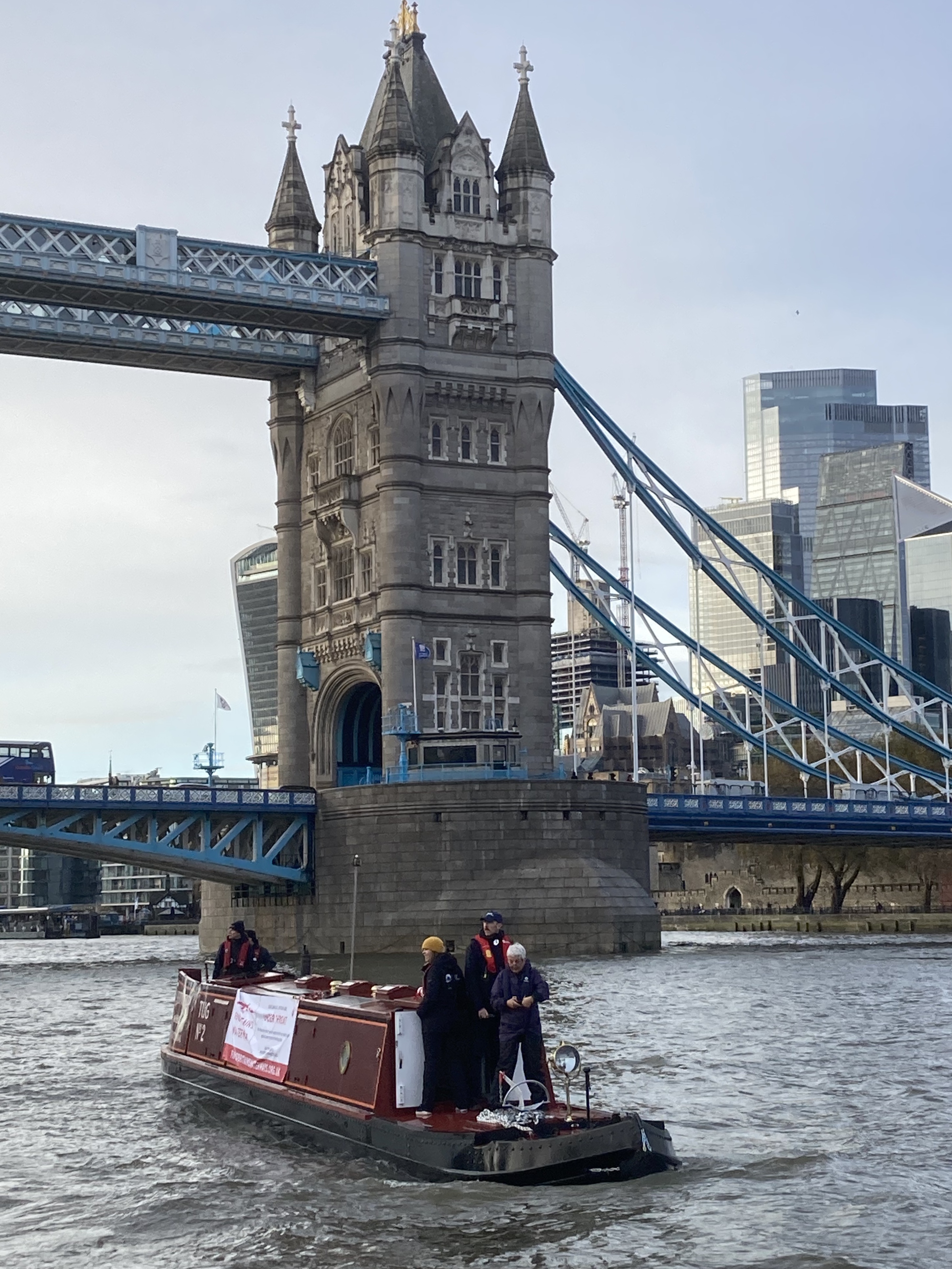
Photo 34: 5 Heading for PoW – Mikki Rain
rnrn
rnrn
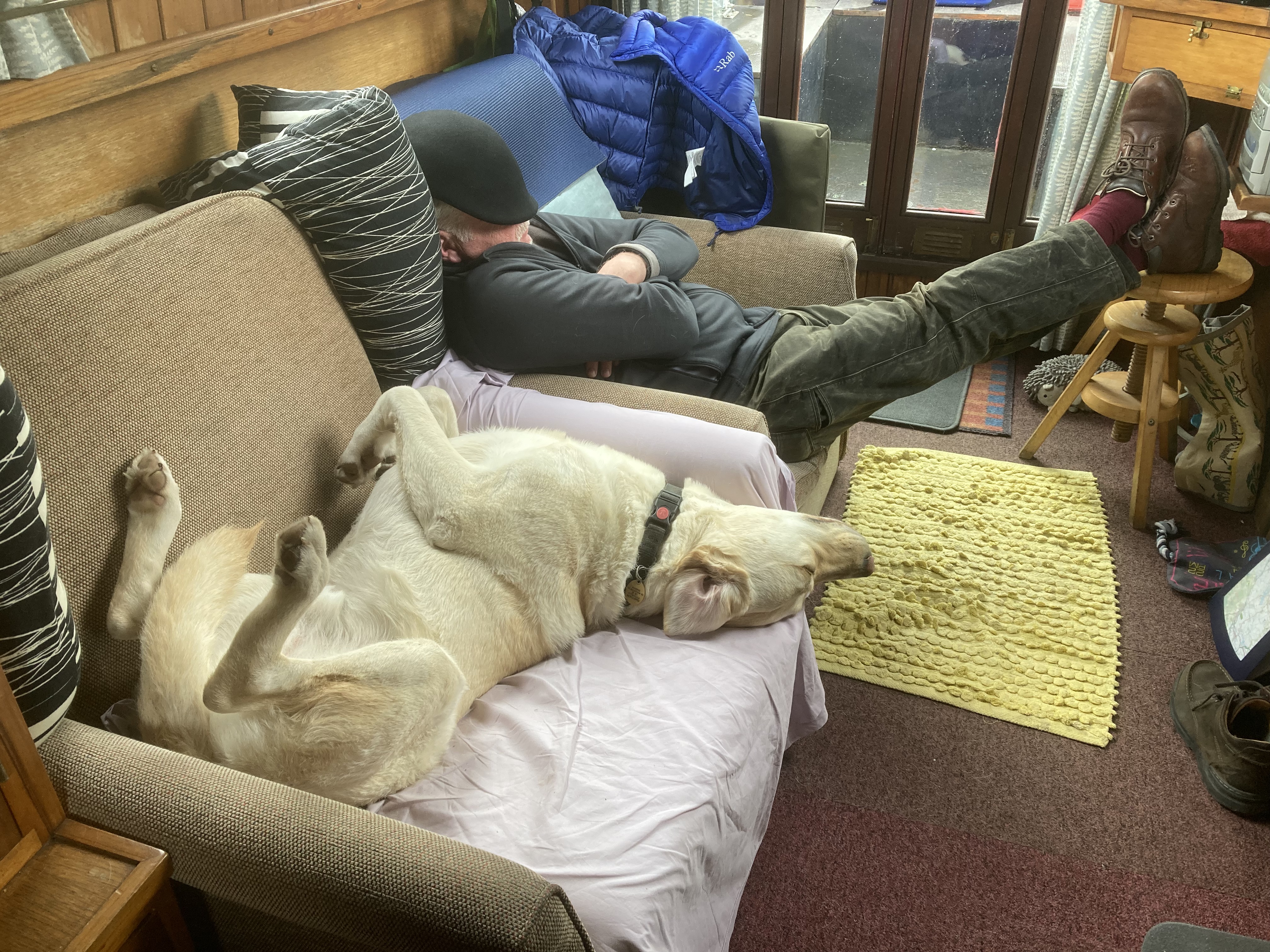
Photo 35: Hard Day on the Locks! – Mikki Rain
rnrn
rnrn
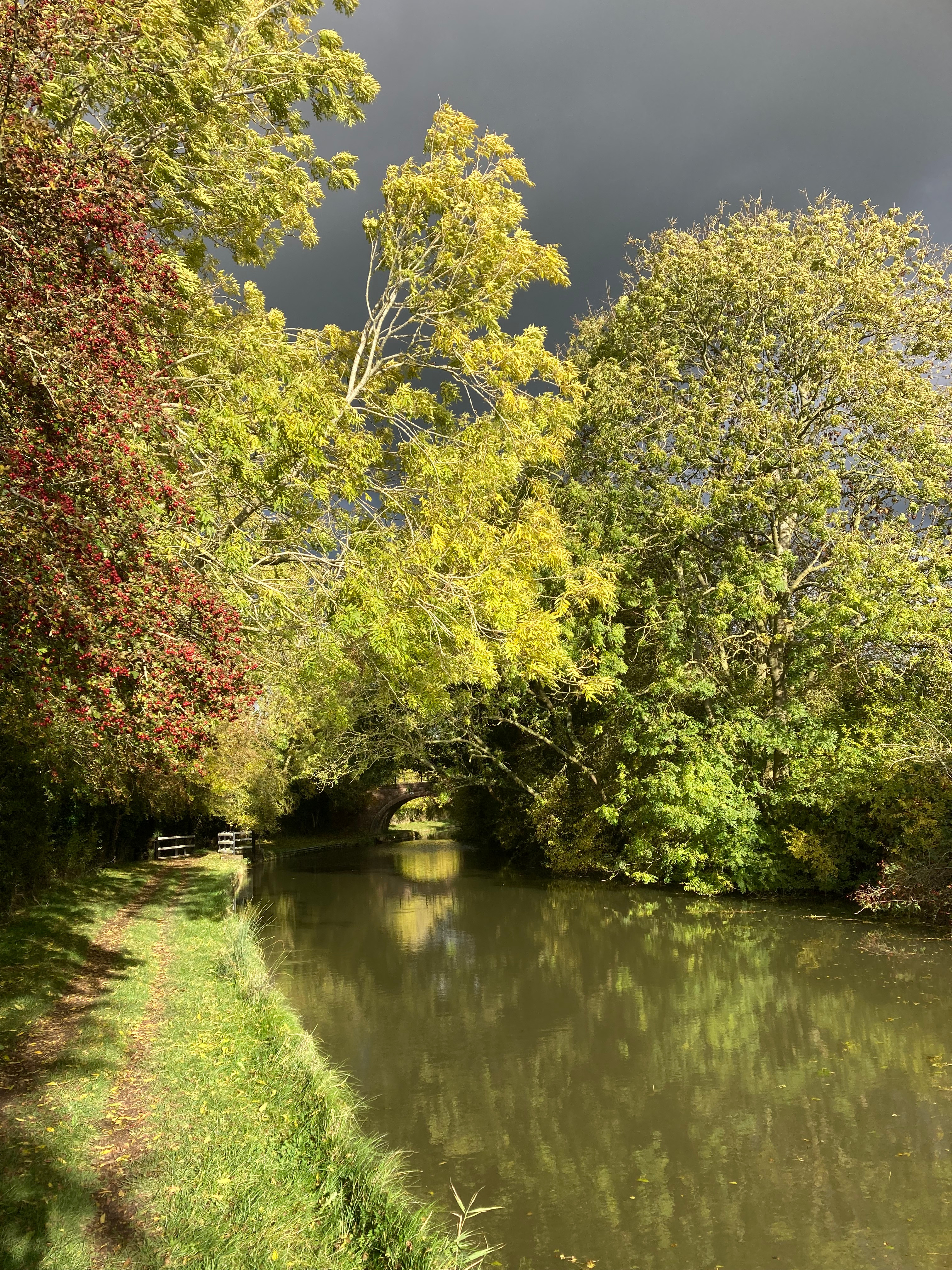
Photo 36: High Summer – Mikki Rain WINNER
rnrn
rnrn
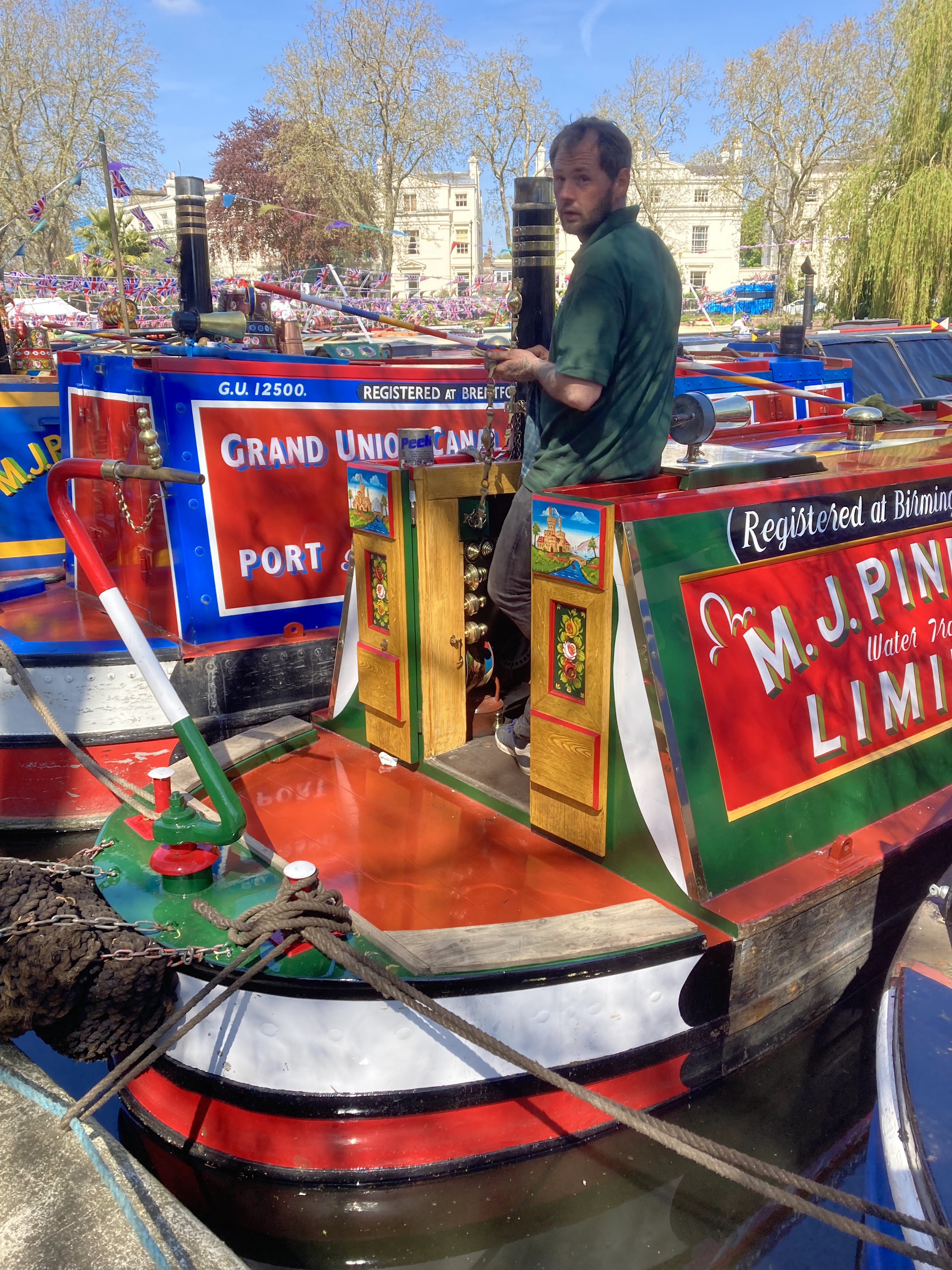
Photo 37: No. 1 Cavalcade Colour – Mikki Rain
rnrn
rnrn
Photo 38: WID Gold – Mikki Rain
rnrn
rnrn
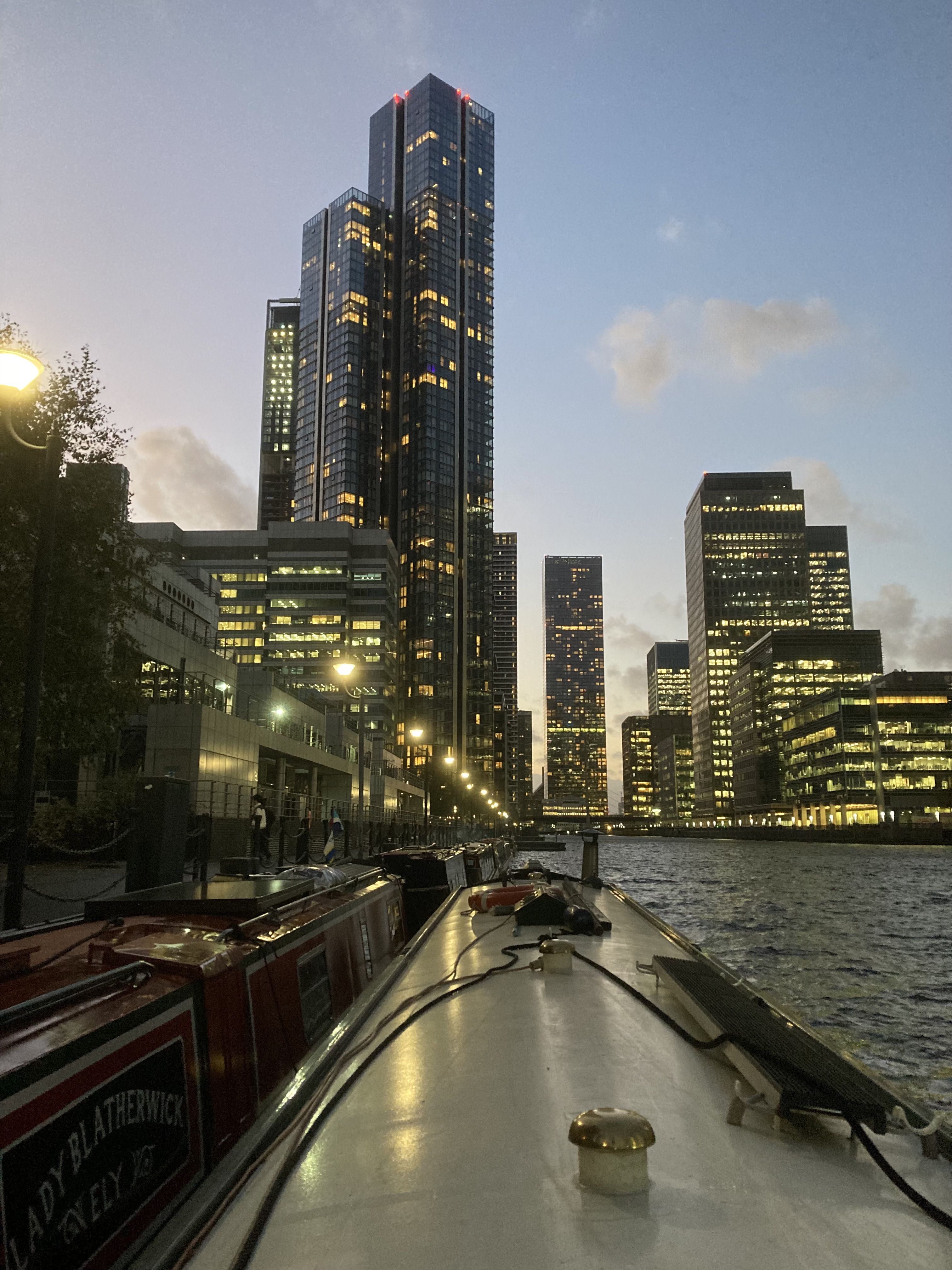
Photo 39: Love it or hate it… – Nick Ford
rnrn
rnrn
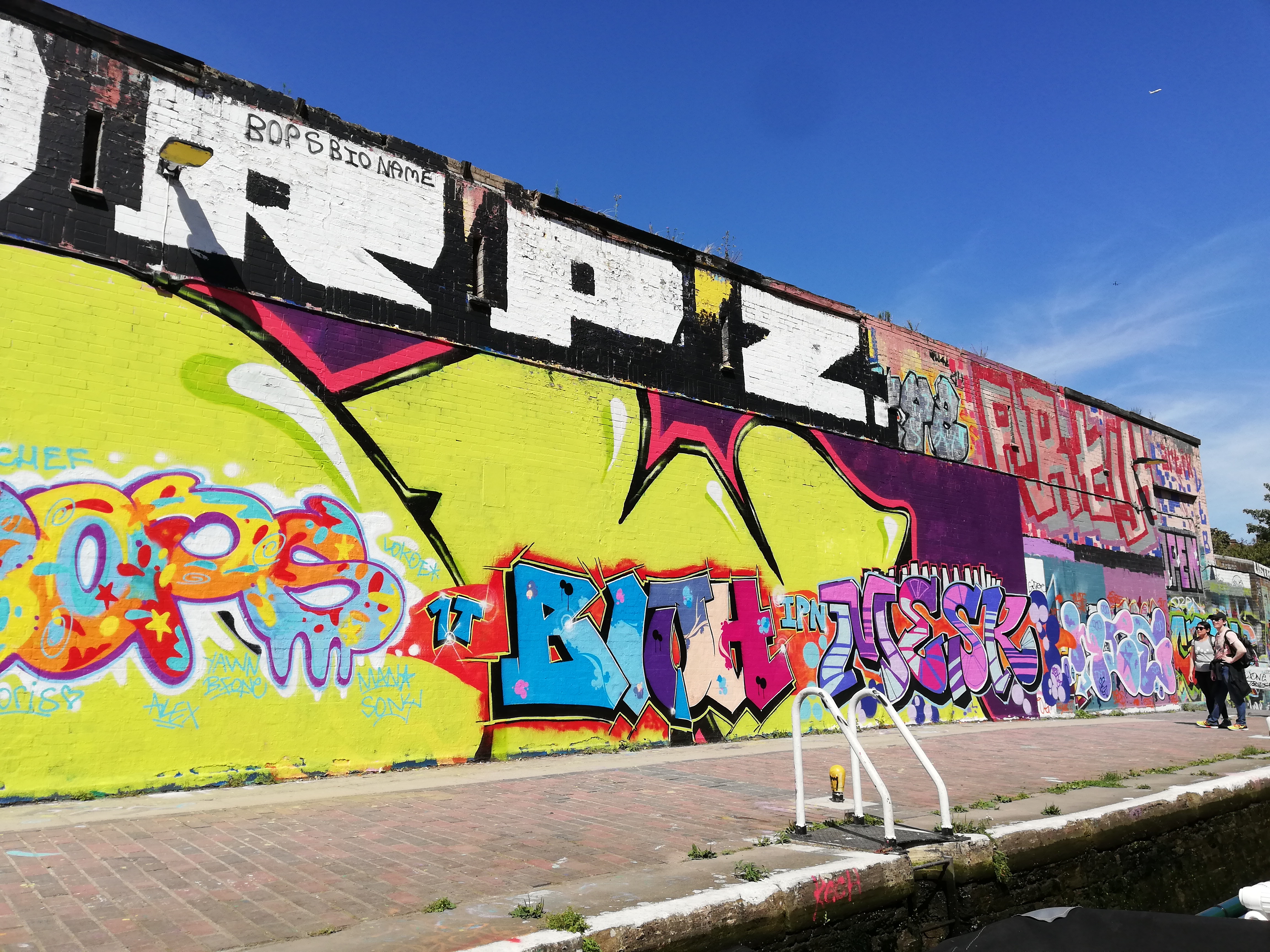
Photo 40: Untitled – Ollie Brown
rnrn
rnrn
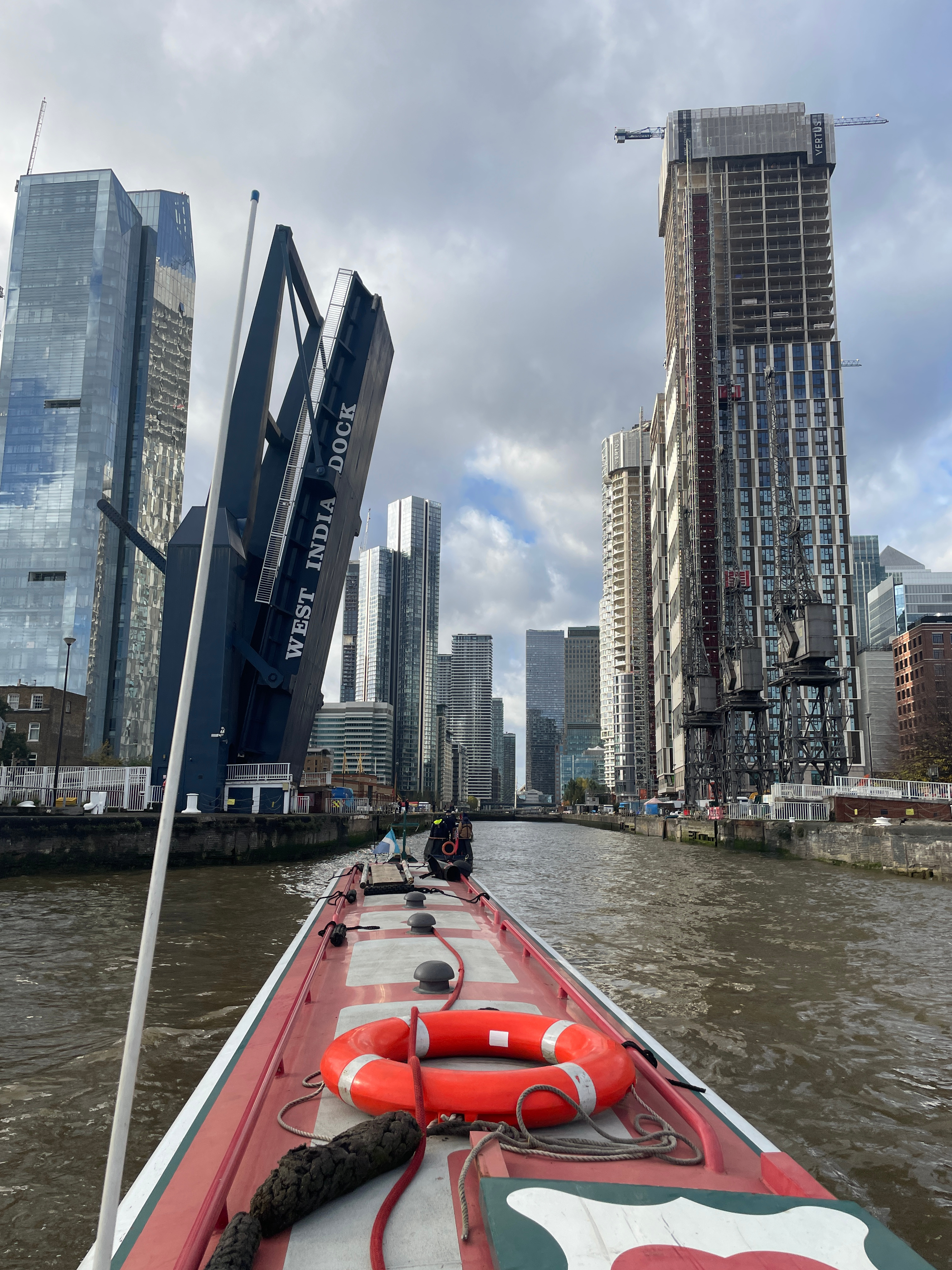
Photo 41: Untitled – Ollie Brown
rnrn
rnrn
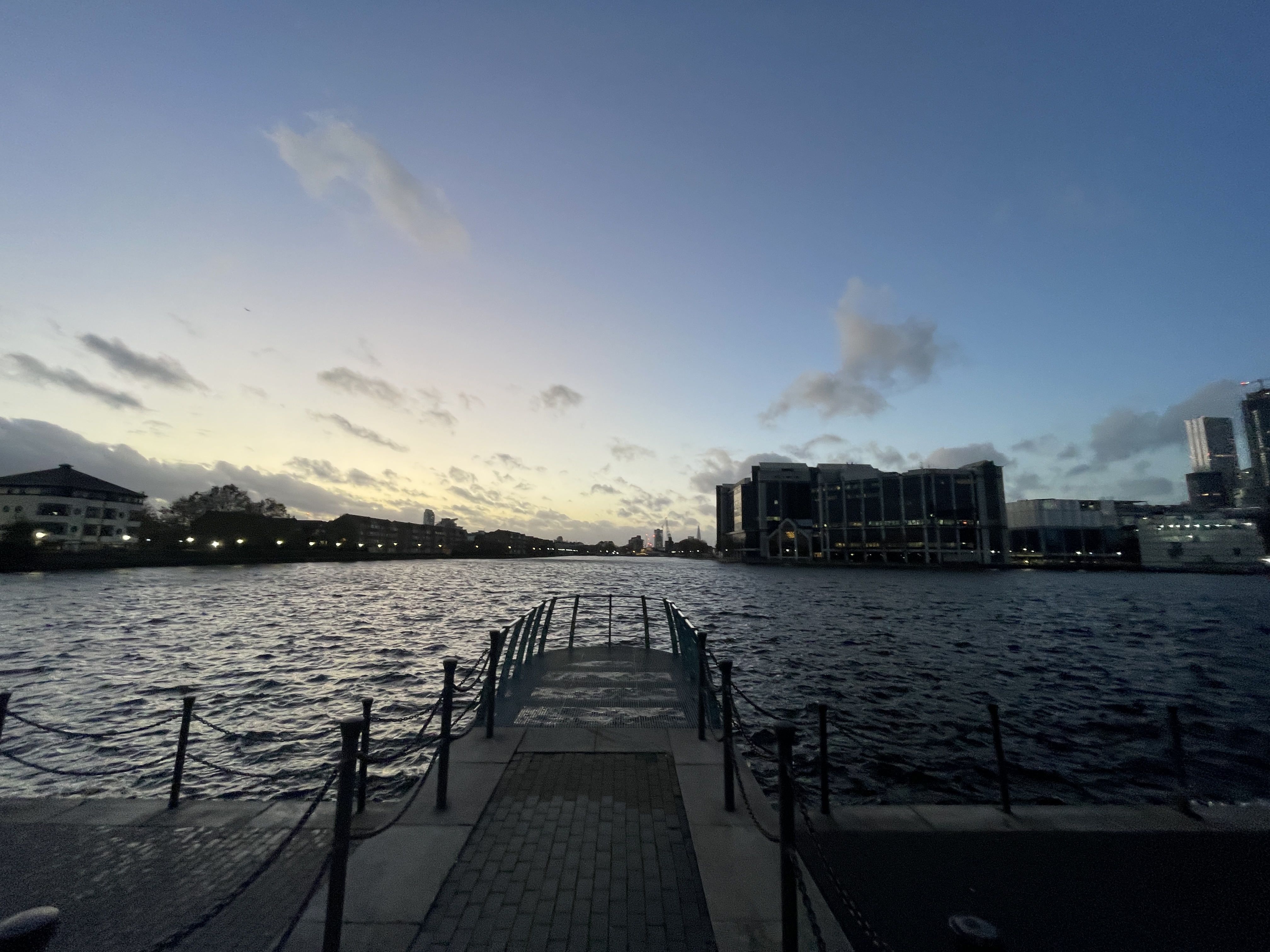
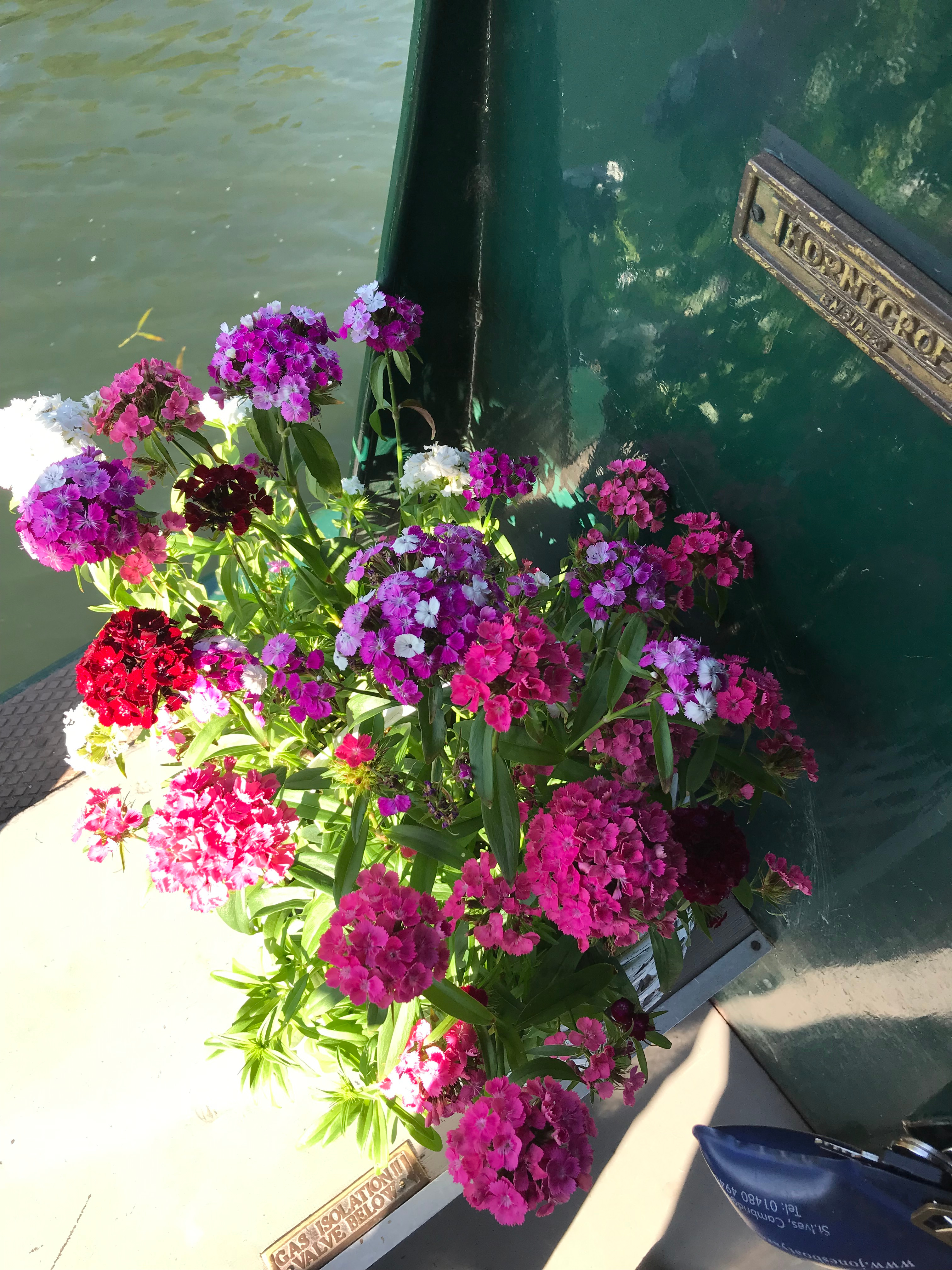
Photo 42: Lady Blatherwick in bloom! – Sallyann Ford
rnrn
rnrn
Photo 43: Boring boating for dogs – Sallyann Ford
rnrn

rnrn
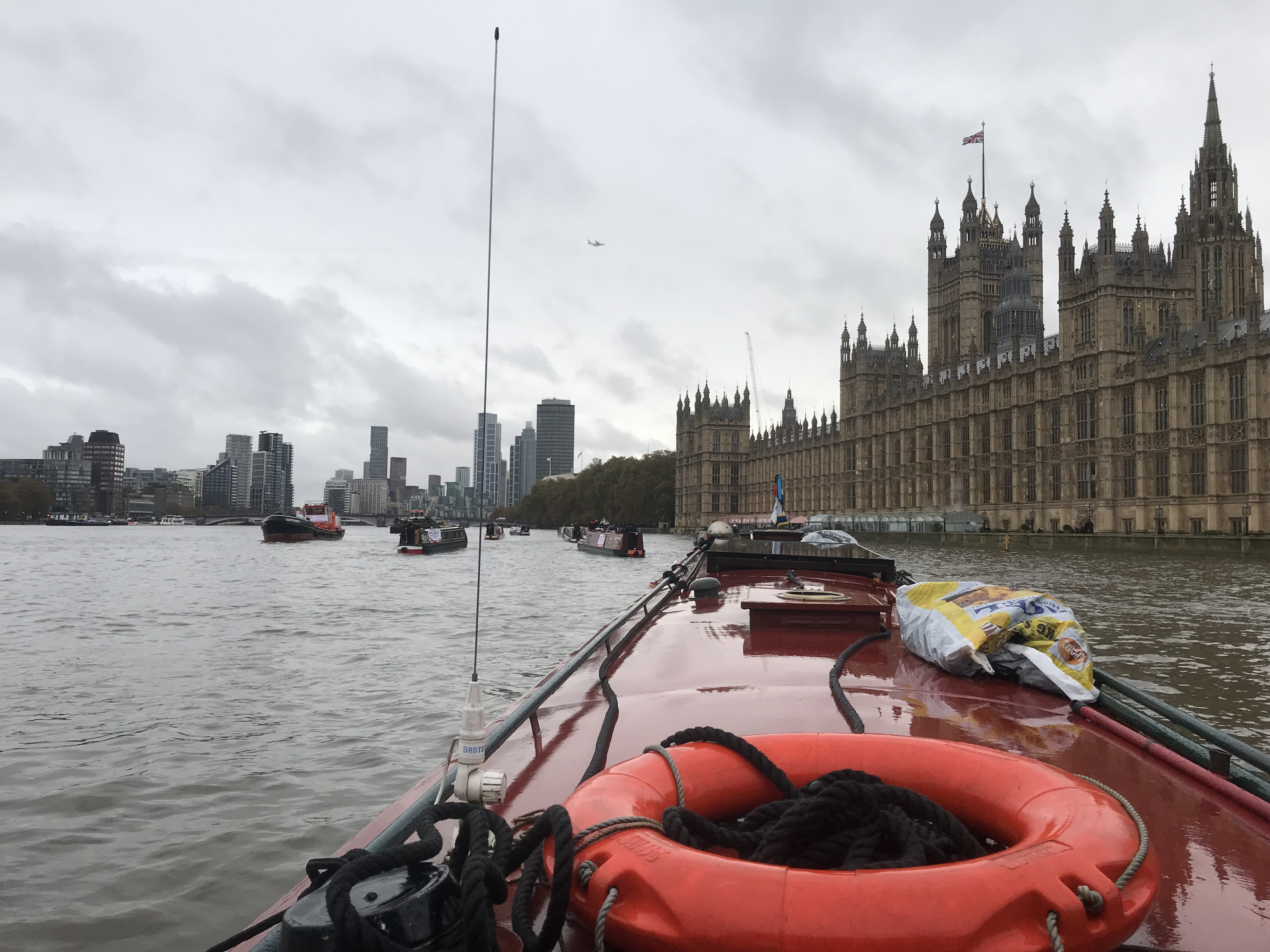
Photo 44: 14th December campaign cruise – Sallyann Ford
rnrn
rnrn
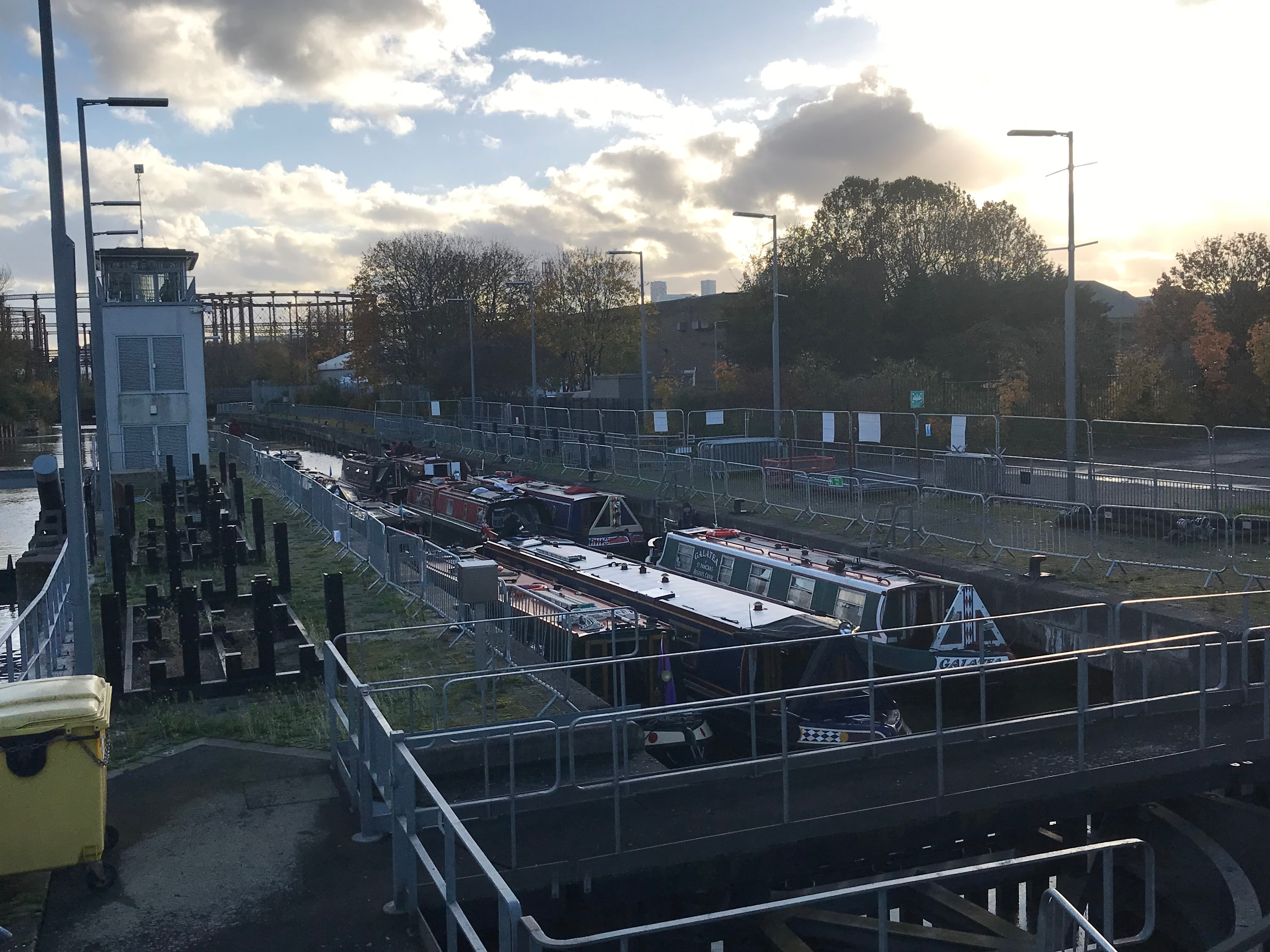
Photo 45: Winter Cruising waiting for the tide. Lovely time of companionship! – Sallyann Ford
rnrn
rnrn
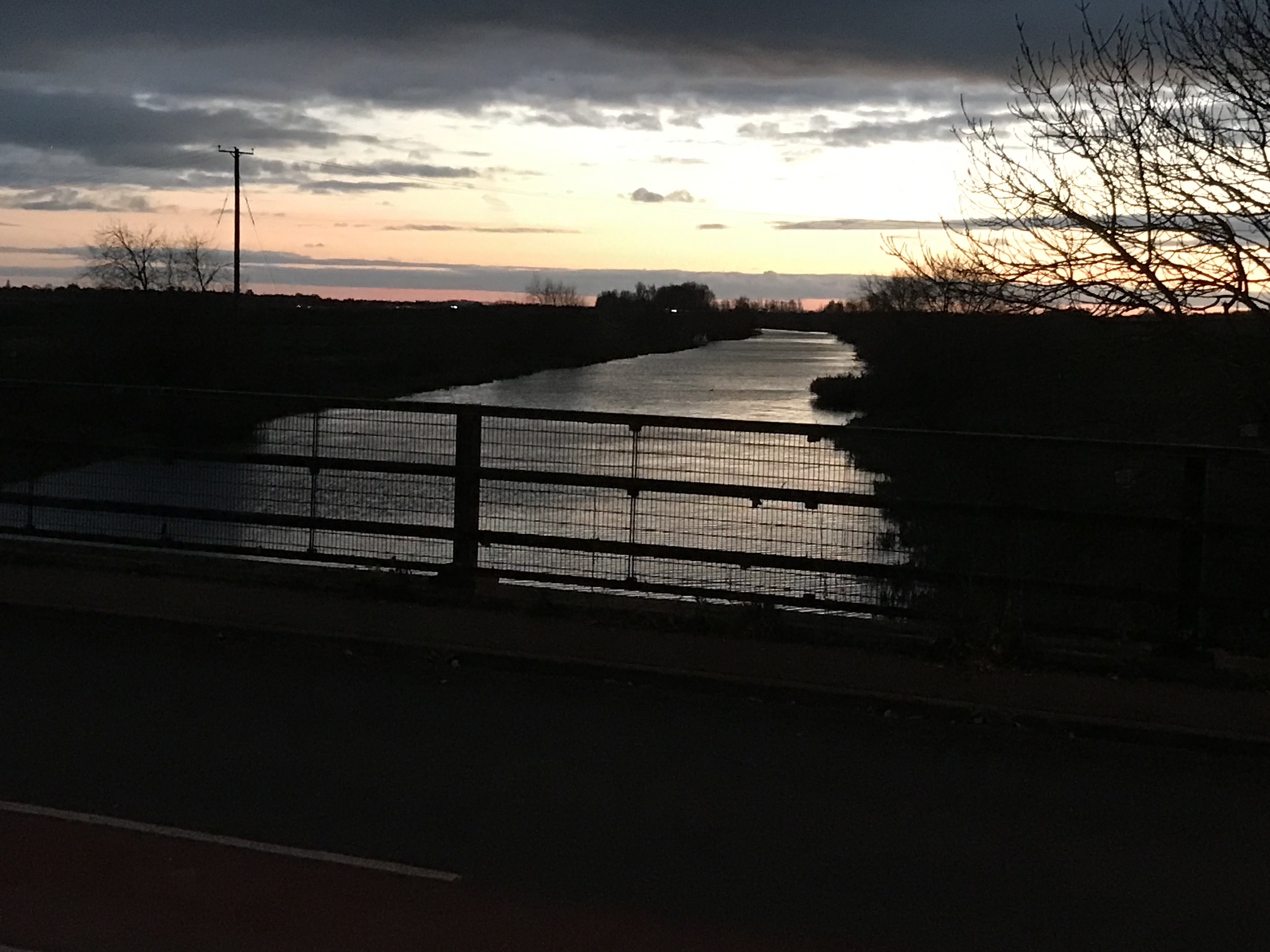
Photo 46: Winter sunset on the Great Ouse – Sallyann Ford
rnrn
rnrn
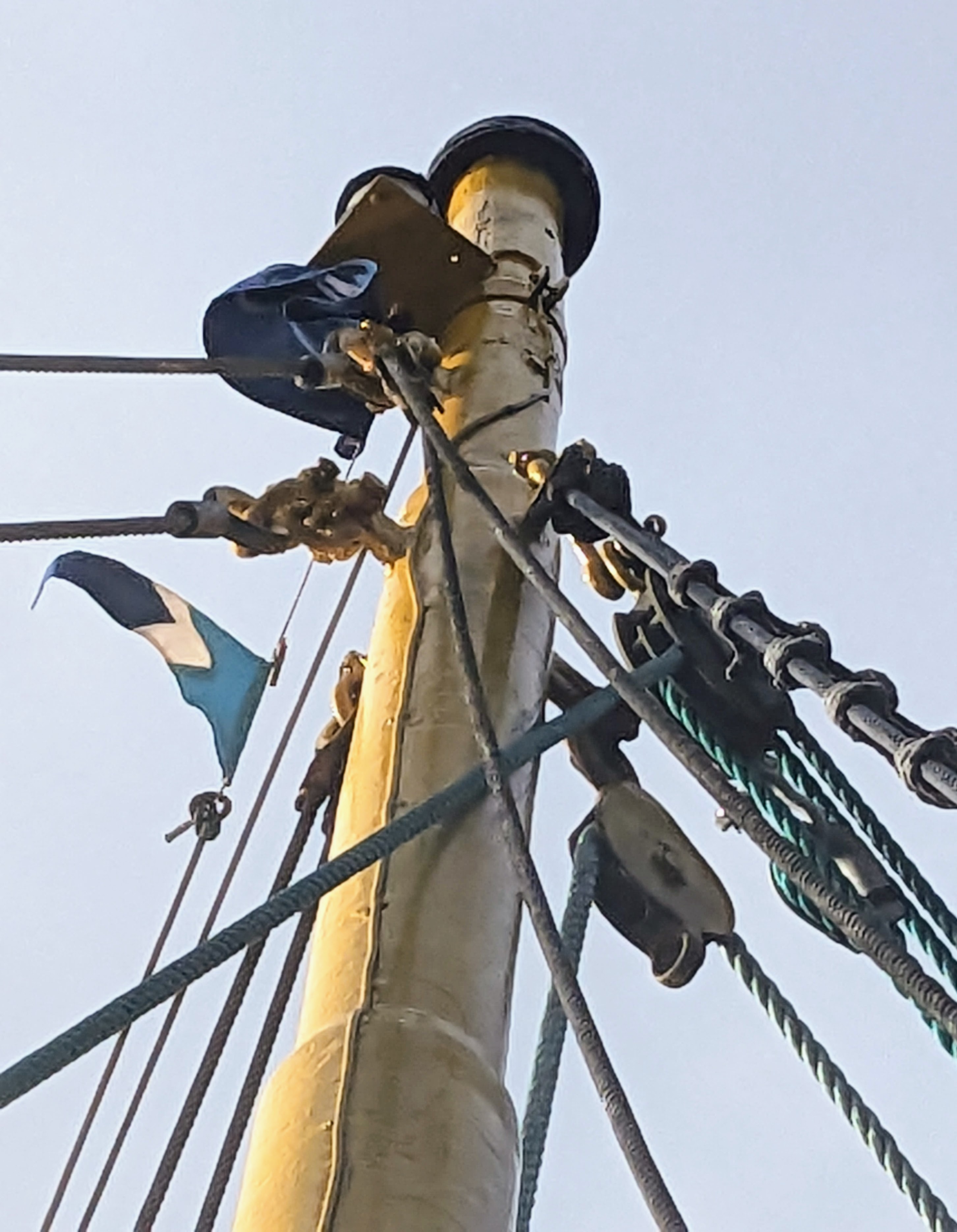
Photo 47: Flagpole: St Pancras Cruising Club on Vic 32, Loch Ness , September 2023 – Sally How
rnrn
rnrn
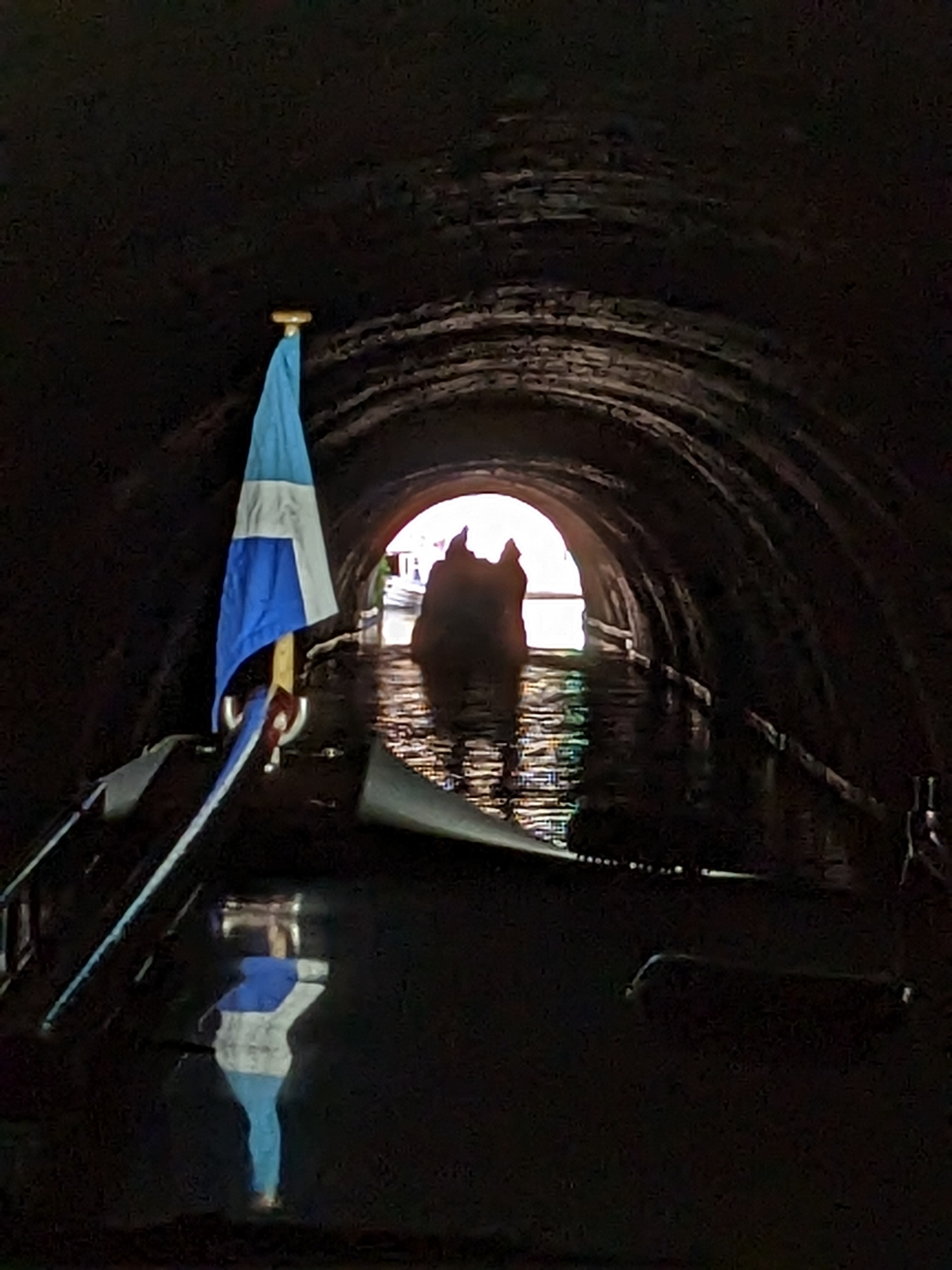
Photo 48: Tunnel: Maida Hill Tunnel, following James February 2023 – Sally How
rnrn
rnrn
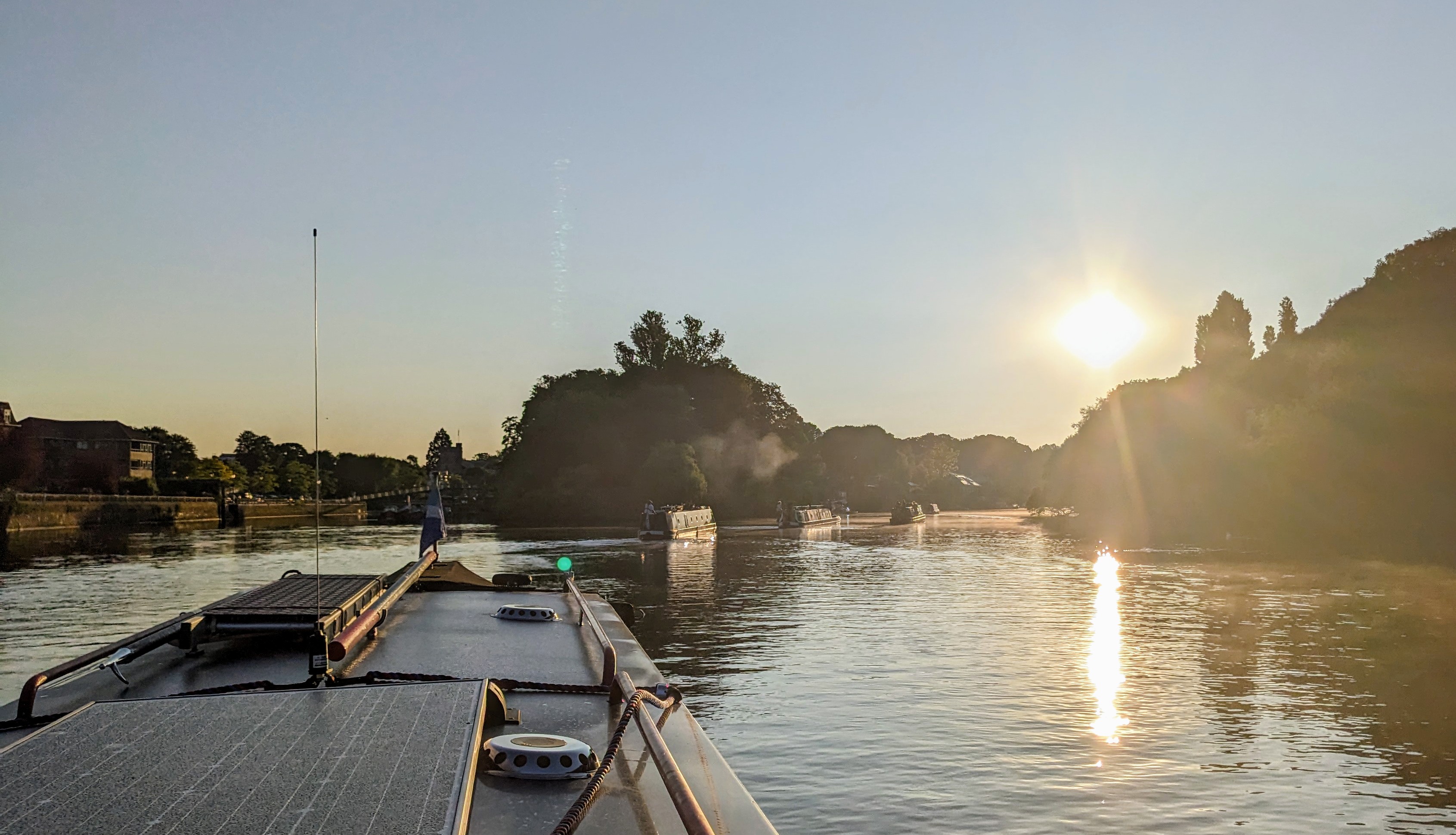
Photo 49: Dawn: Early Morning return from Teddington June 2023 – Sally How
rnrn
rnrn
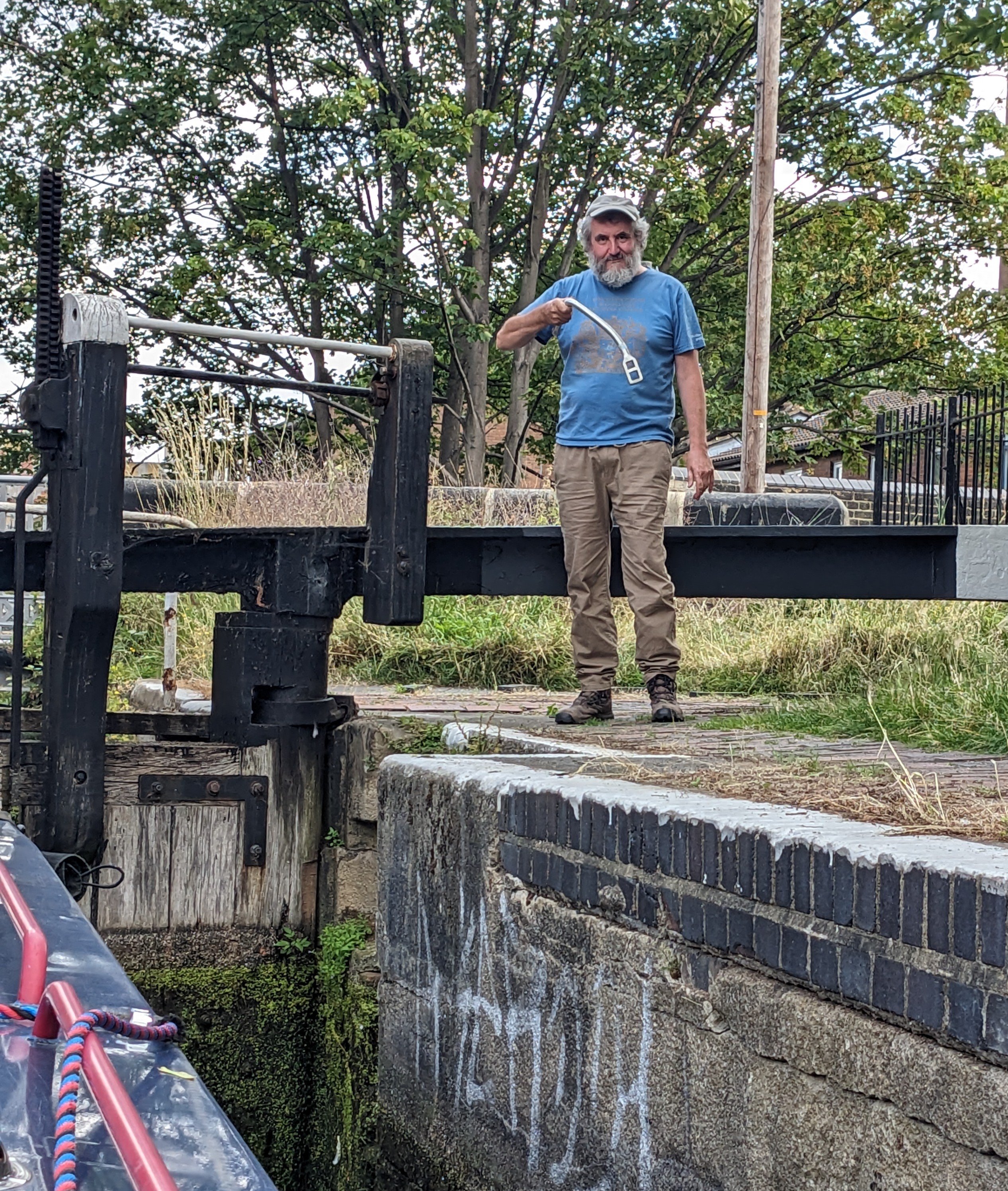
Photo 50: Paul Willett: Harbourmaster Wins Trial of Strength on Ducketts Cut July 2023 – Sally How
rnrn
rnrn
rnrn
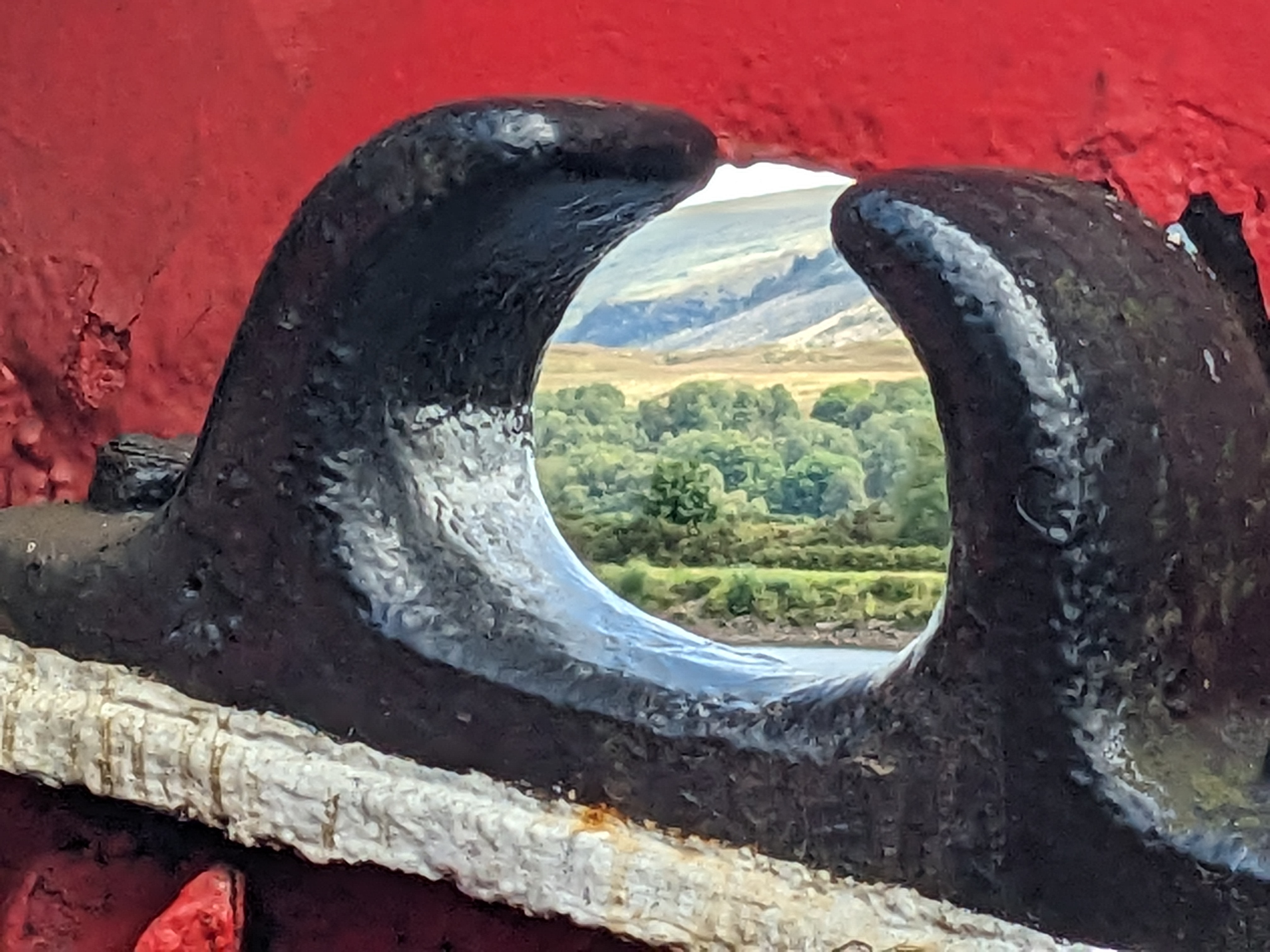
Photo 51: Gairlochy Through the Hawsehole, Vic 32 September 2023 – Sally How
rnrn
rnrn
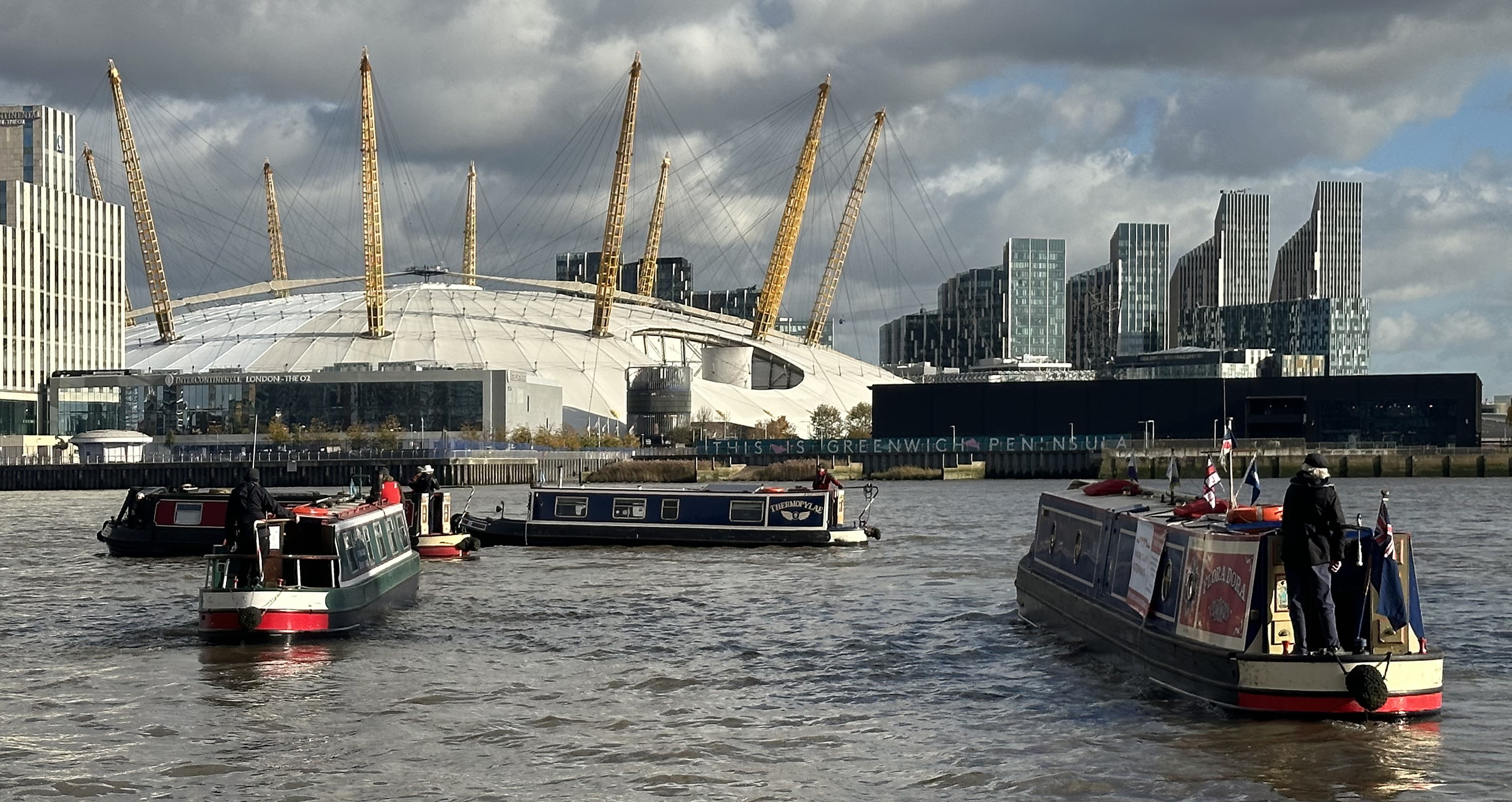
rnPhoto 52: Bumper boats on the tideway – Tim Lewis
rnrn
rnrn
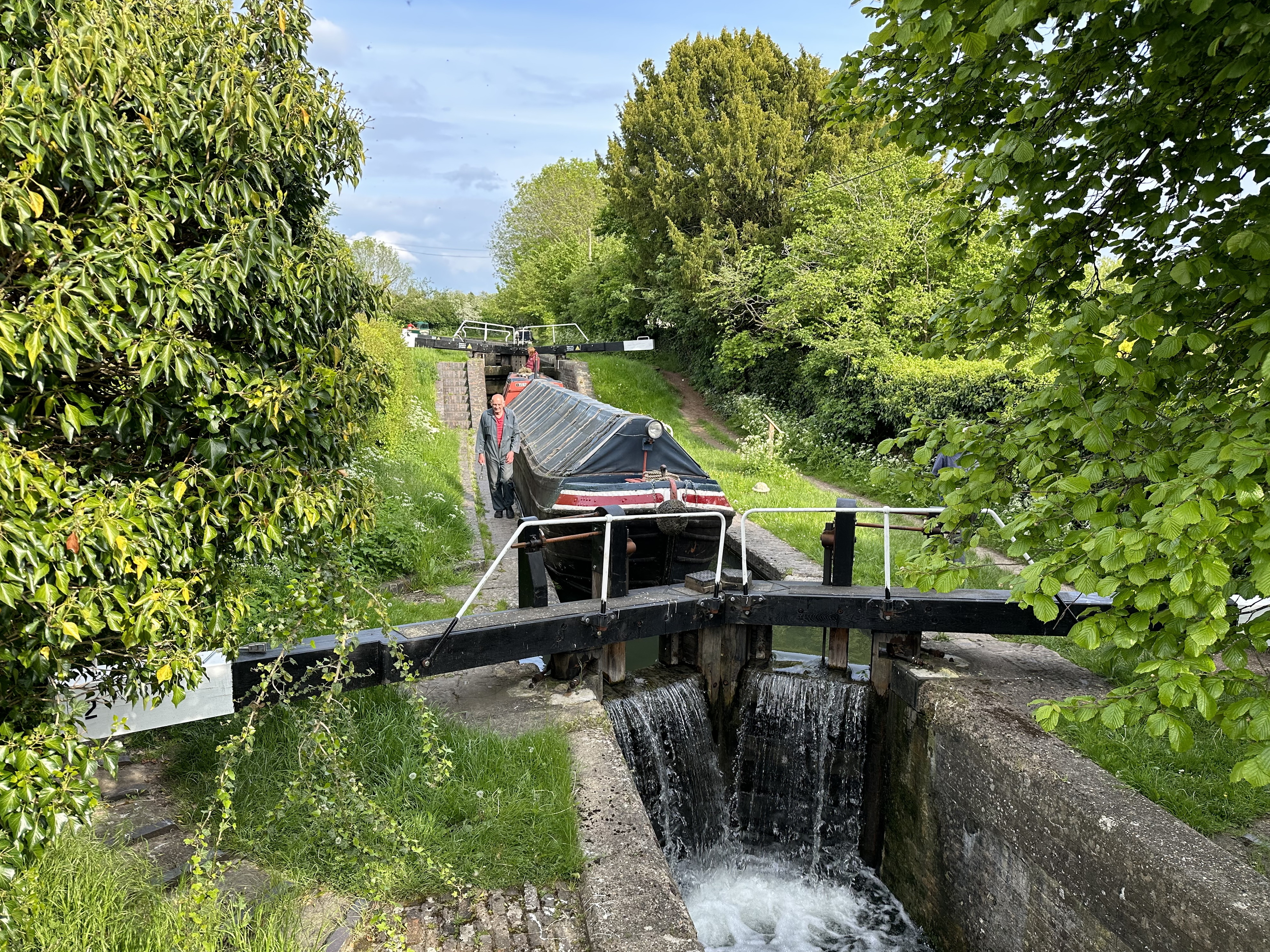
Photo 53: Fulbourne on the Aylesbury Arm – Tim Lewis
rnrn
rnrn
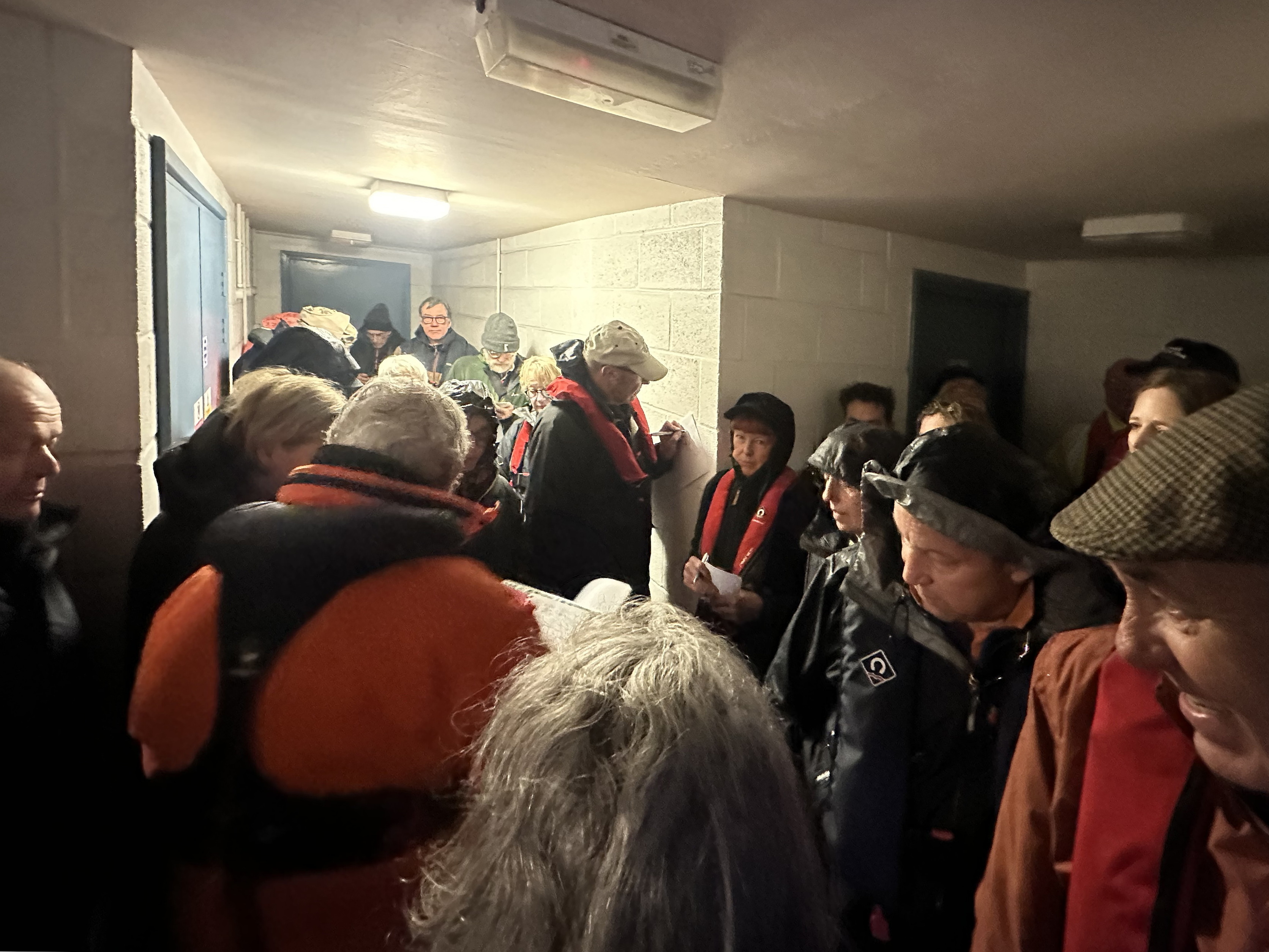
Photo 54: Safety briefing in a toilet! – Tim Lewis
rnrn
rnrn
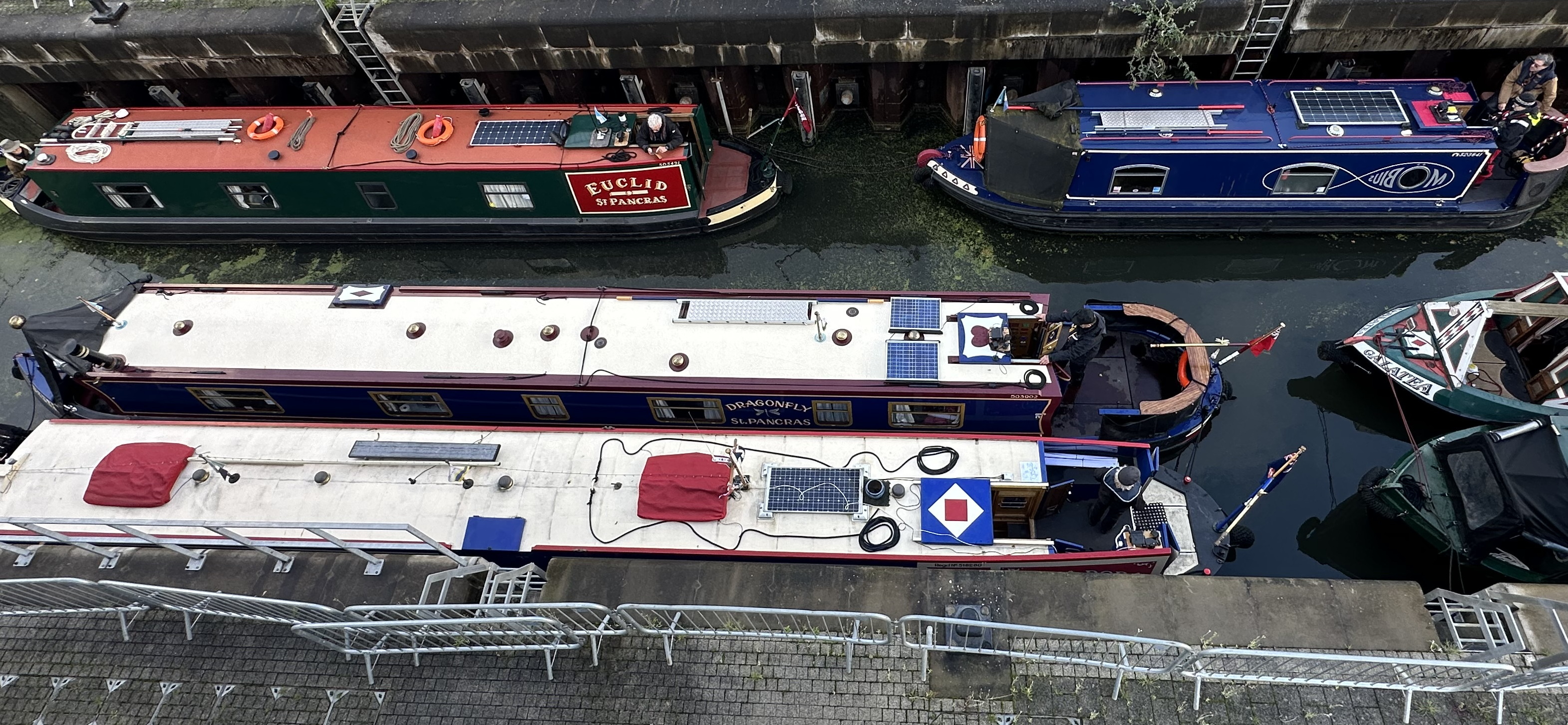
Photo 55: Three Mills aerial – Tim Lewis
rnrn
rnrn
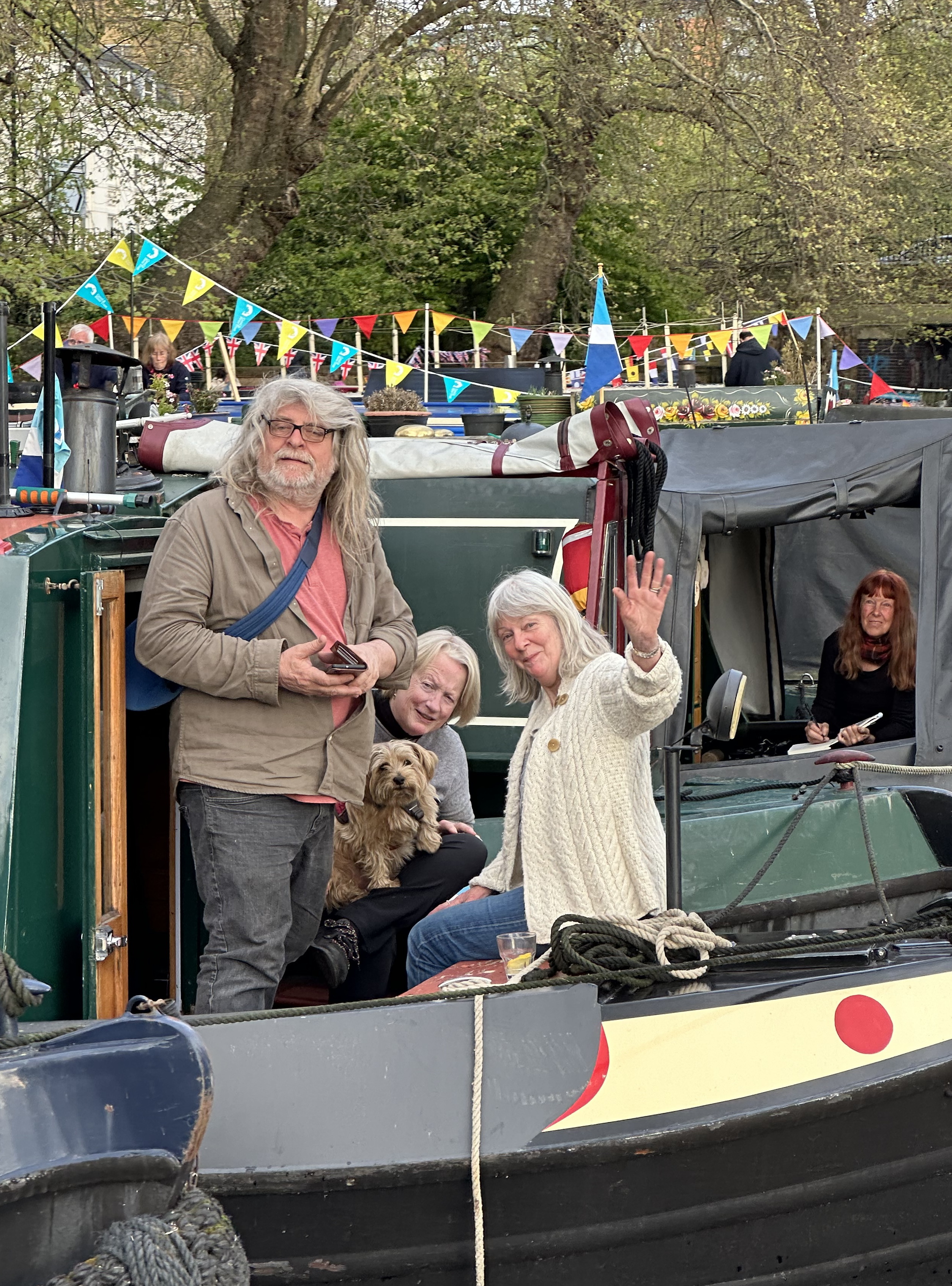
Photo 56: Welcome to Cavalcade – Tim Lewis
rnrn
rnrn
rnrn
rn